
Last updated November 22, 2026
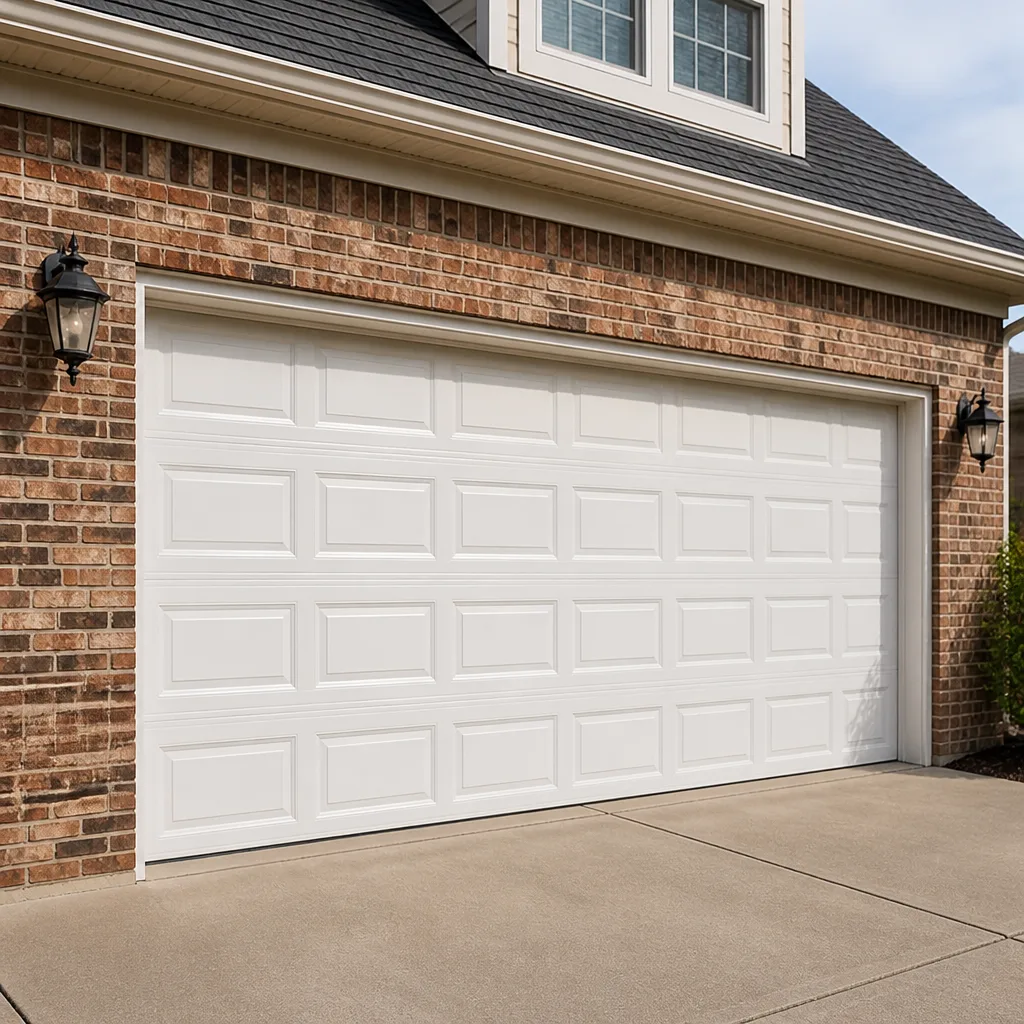 Raised-panel steel
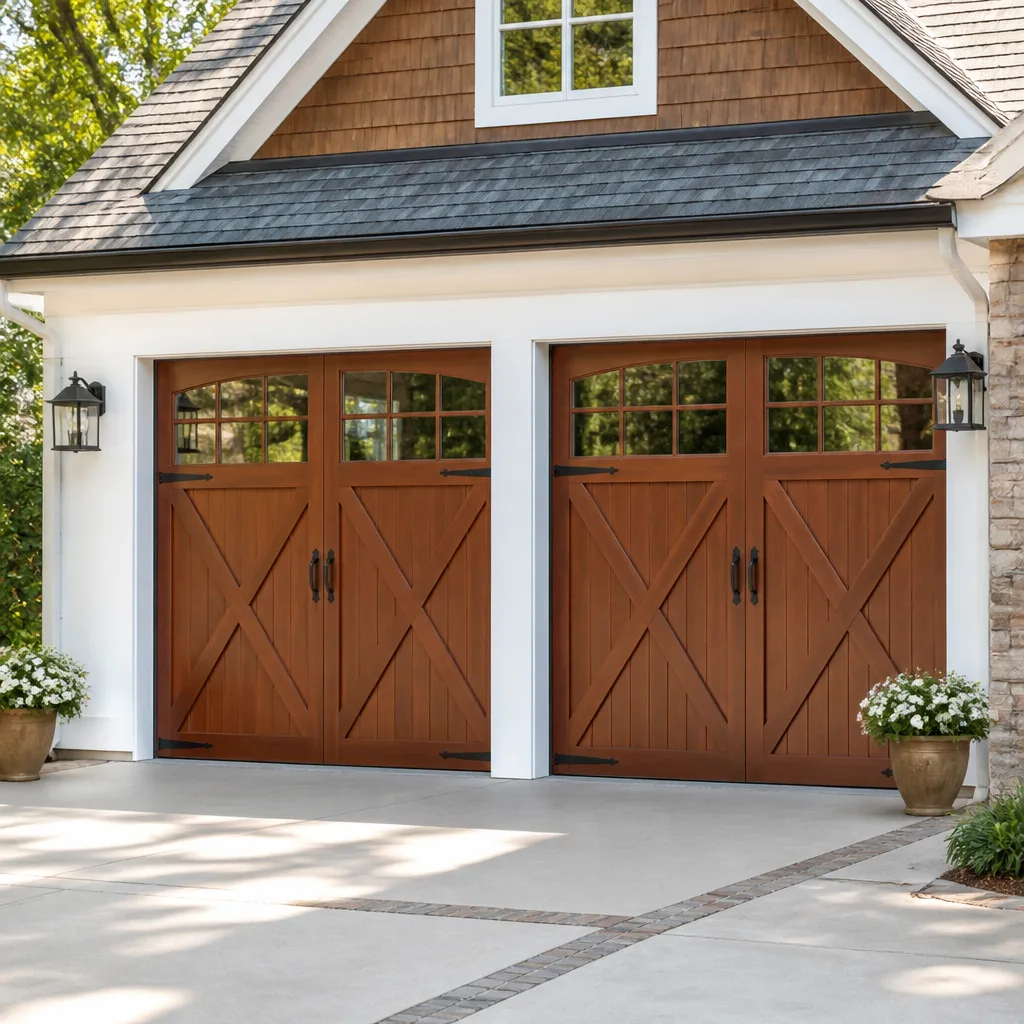 Carriage house
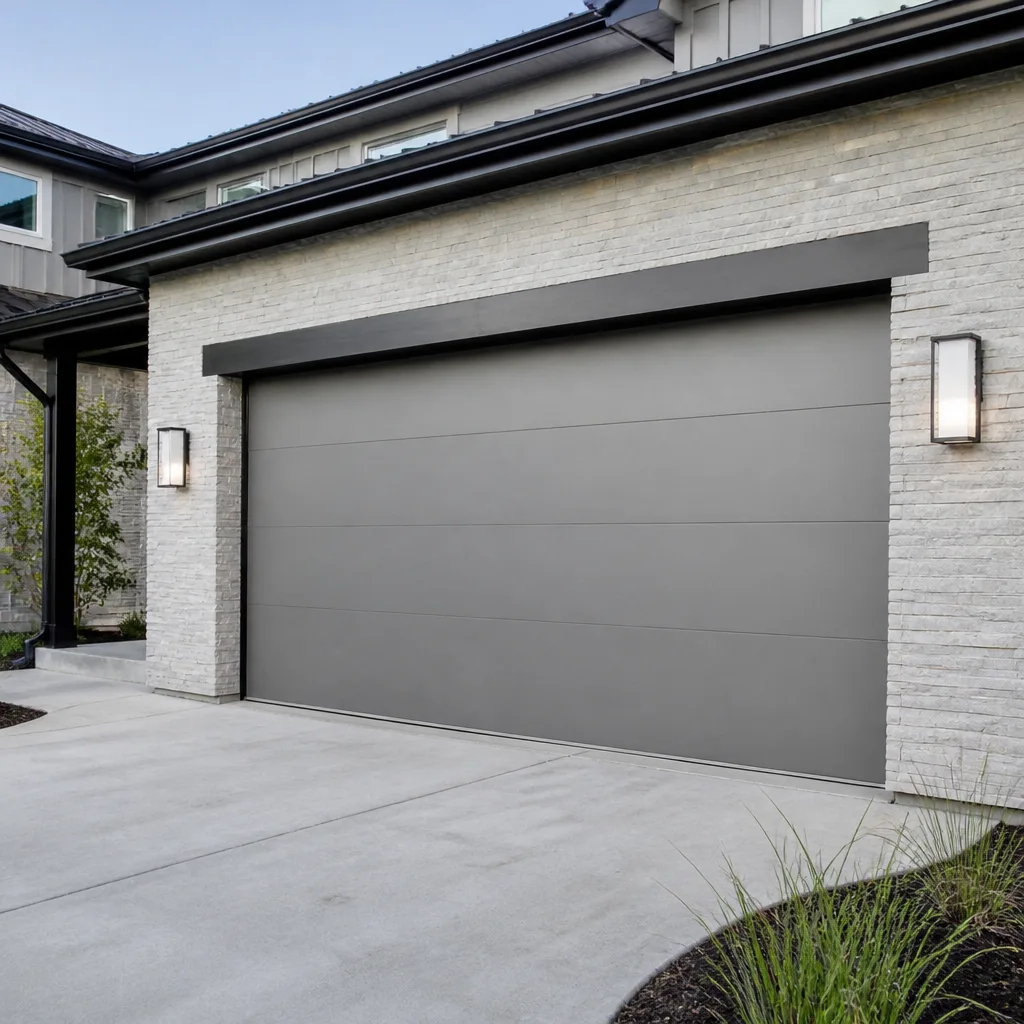 Modern flush
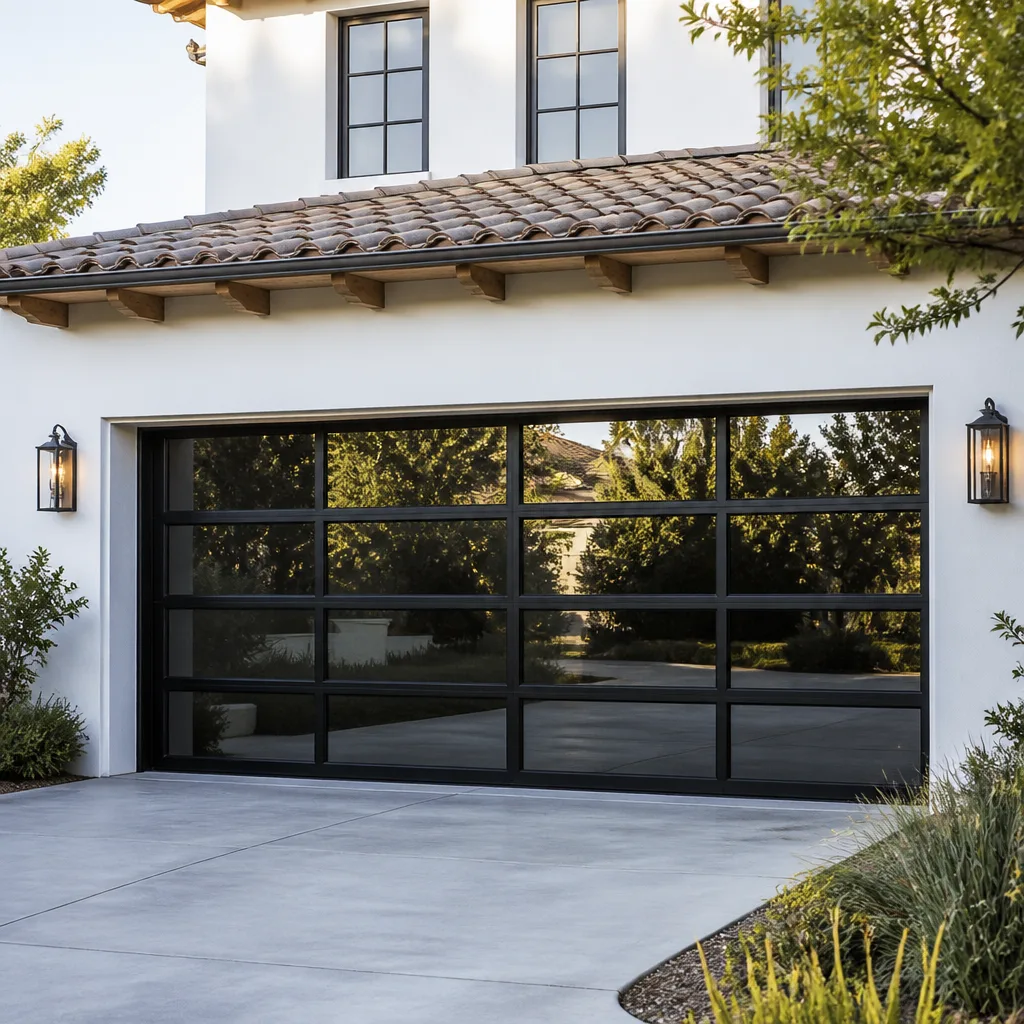 Full-view glass
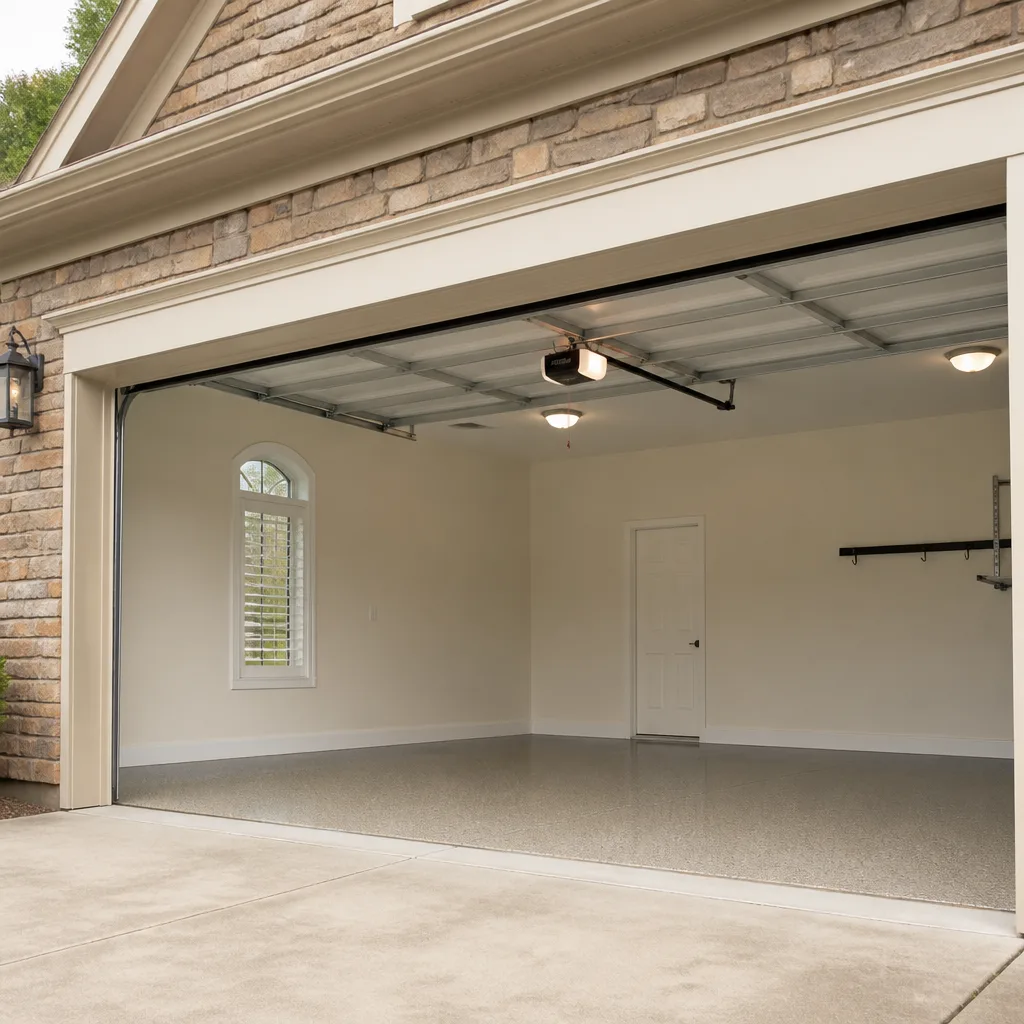 LiftMaster openers
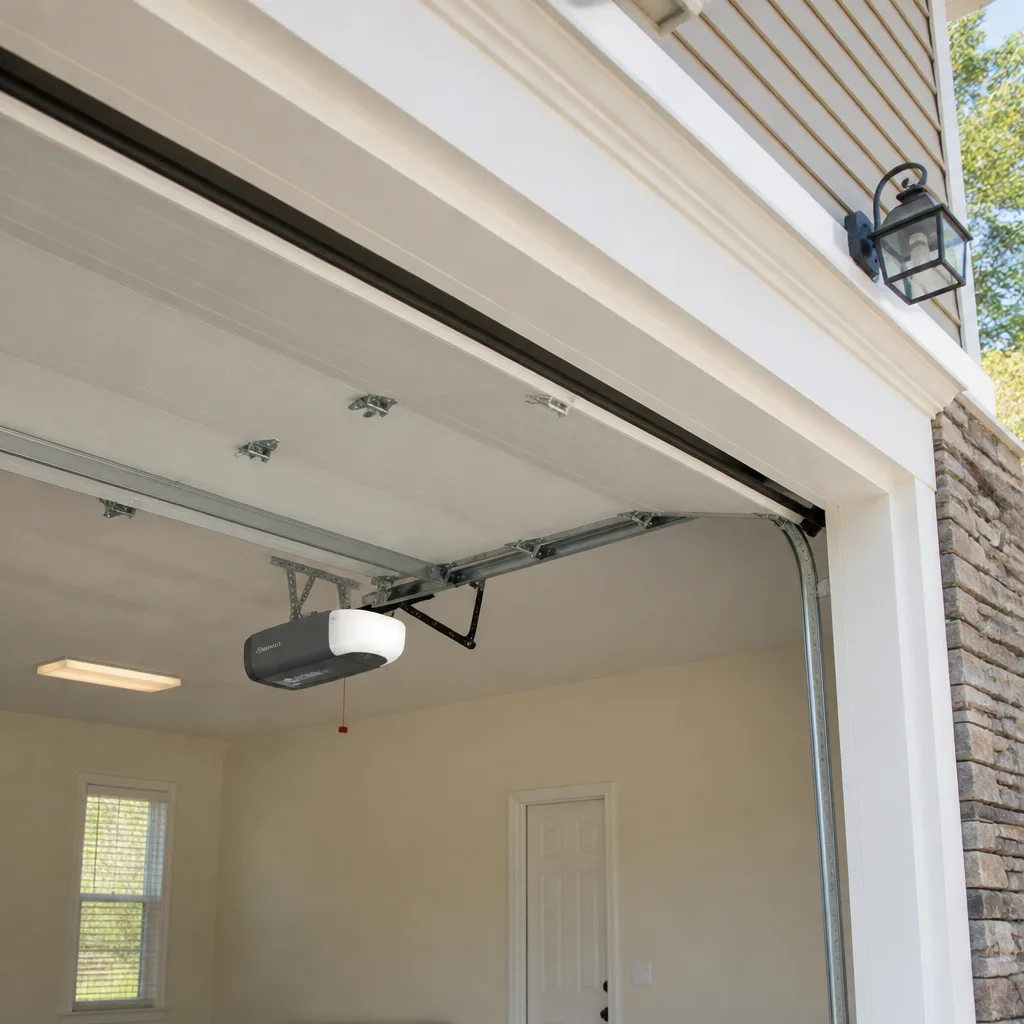 Chamberlain openers
Full 25-point door and opener safety check with every visit - springs, cables, rollers, tracks, and your LiftMaster or Chamberlain opener included
You get a price before we start. It does not change when the pro arrives.
Get your free estimateGarage Door Repair Troubleshooting in Centreville: Common Problems and How to Fix Them
Most garage door problems get misdiagnosed because homeowners treat symptoms instead of systems. A door that won’t close looks like an opener failure, but it’s often a misaligned safety sensor. A grinding noise sounds like a worn track, but it’s usually a failing bearing or a dry roller. In Centreville, we see the same pattern over and over: a homeowner assumes the worst and calls for a full replacement when a twenty-dollar part or a limit adjustment would have solved it. This guide walks you through a logical elimination process: five systems, one at a time, until you know exactly what’s broken before anyone touches the door.
Quick Answer
To troubleshoot a garage door in Centreville, isolate the problem to one of five systems: the opener motor, the springs, the tracks and rollers, the safety sensors, or the remote and wall control. Start with the simplest test (does the wall button work?), then work outward. Springs and cables require a trained professional; sensors, limits, and remote batteries are safe for homeowners to reset. If your door won’t open, won’t close, or makes an unusual noise, stop operating it and call (877) 792-6396 for a free estimate.
Styles & brands we work with
- Raised-panel steel
- Carriage house
- Modern flush
- Full-view glass
- LiftMaster openers
- Chamberlain openers
Table of Contents
- The Five Systems That Control Your Garage Door
- Is the Opener Broken, or Just the Messenger?
- Diagnosing by Sound: Spring, Cable, or Track
- What You Can Safely Reset Yourself
- What You Must Never Adjust on Your Own
- How Centreville Weather Affects Wood and Steel Doors
- Why Brand-Specific Knowledge Matters in Centreville
- Emergency Triage: When to Call Right Away
The Five Systems That Control Your Garage Door
Your garage door is a mechanical system with five interdependent parts. When it fails, the symptoms often point to the wrong one. Here’s how to isolate each system in the right order, starting with the simplest test.
- The opener motor. Does the motor hum, click, or flash? If you hear the motor run but the door doesn’t move, the motor is working and something downstream has failed. If there’s no sound at all, the problem may be electrical or the opener itself.
- The springs. Look at the torsion spring above the door (if you have one) or the extension springs running along the sides. A broken spring has an obvious visible gap. Never touch it. A door with a broken spring is a door that must not be operated.
- The tracks and rollers. Check the vertical and horizontal tracks for dents, bends, or debris. Rollers should sit securely in the track. A track that’s been bumped (car, ladder, bicycle) will cause the door to bind or reverse.
- The safety sensors. Look at the two small lenses mounted at the bottom of the tracks, about six inches off the ground. Each should have a steady LED light. A blinking or dark sensor is the most common reason a door closes partway and reverses.
- The remote and wall control. Try the wall button first, then the remote. If the wall button works but the remote doesn’t, the issue is the remote battery, the remote itself, or the signal between them. The opener is fine.
This elimination order matters because it moves from the safest and simplest test to the most complex. In our experience across Centreville, most “the opener is dead” calls turn out to be a sensor or a remote battery. Isolate the system before you assume the costliest repair.
Is the Opener Broken, or Just the Messenger?
Homeowners assume a garage door that won’t move means a dead opener. Often the opener is fine; the signal chain that tells it what to do is broken. Here’s how to tell the difference without tools.
The wall button test. Press the wall-mounted control. If the motor runs, the opener is alive. You can hear the motor, see the light flash, or watch the door start to move. A working motor with a non-moving door means the problem is a broken spring, a snapped cable, a disengaged carriage, or a bound track. The opener is doing its job and something else has stopped the door.
The light-flash test. Many LiftMaster and Chamberlain openers use flash codes to signal a problem. If the opener clicks and flashes a pattern but doesn’t move, note the pattern and consult the manual for that specific model. The opener is talking to you.
The remote signal test. If the wall button works but the remote doesn’t, the opener is fine and the issue is the remote or its battery. Replace the battery first. If that doesn’t solve it, the remote may need to be re-paired with the opener (common with Genie, Chamberlain, and LiftMaster units after a power outage or a new battery).
The power test. If the opener is completely silent, check the outlet it’s plugged into. Openers on a GFCI outlet can trip. Test another device in the same outlet. If the outlet works, the opener’s internal logic board or capacitor may have failed.
In our experience, the “dead opener” that isn’t actually dead is the single most common call we get. A proper diagnostic starts with the signal chain, not a replacement quote. If you’re still unsure after these tests, garage door opener repair starts with the same sequence: wall button, light codes, then power.
Diagnosing by Sound: Spring, Cable, or Track
You can often identify a garage door failure by sound alone, before you touch anything. Listen from the outside and match what you hear to these patterns.
- A loud, sharp bang from inside the garage. This is the classic sound of a torsion spring breaking. It sounds like a firecracker or a heavy metal snap. The door will become very heavy to lift manually. Stop operating it immediately.
- A rhythmic clank or thump as the door moves. This is usually a worn roller, a loose hinge, or a bolt backing out. It’s a maintenance issue, not an emergency, but continued operation wears the track.
- A grinding or squealing noise. A dry roller bearing, a worn nylon roller, or a failing opener gear. Grinding that comes from the opener housing itself suggests internal gear wear.
- A metallic snap followed by a sagging or crooked door. This is often a cable failure, not a spring. The door will hang unevenly and the cable will be loose or displaced. Cables are under extreme tension. Never touch a broken or slack cable.
- A scraping or binding sound as the door passes one specific point. A bent track, a foreign object in the track, or a misaligned panel. Inspect the track visually but never put your hands near a moving door or between the section joints.
Sound is a diagnostic shortcut, but not a verdict. A bang from inside the garage can come from a spring, a cable, or a carriage bolt. If you hear a loud bang and the door feels heavy or hangs unevenly, treat it as a spring or cable failure and call for help. We handle dangerous repairs like garage door spring repair because a spring under tension is not a homeowner task.
What You Can Safely Reset Yourself
Several garage door problems are safe for a homeowner to reset with no tools and no risk. Here’s what you can try before calling.
- Replace the remote battery. A weak battery is the most common remote failure. Change the battery and re-test from the same distance you normally use.
- Re-pair the remote. After a power outage or a battery change, many Genie and Chamberlain remotes need to be re-paired with the opener. Consult the opener manual for the pairing sequence specific to your model.
- Clean the safety sensors. Wipe both lenses with a soft cloth. Dust, cobwebs, and condensation can interrupt the beam. A sensor with a steady green or amber light is working; a blinking one is telling you something is in its path.
- Check sensor alignment. Both lenses should point at each other. If one is knocked loose (a bicycle, a trash can), straighten it so the beam is restored and the LED stops blinking.
- Adjust the opener’s travel limits. If the door stops short or reverses just before touching the floor, the travel limit may need a small adjustment. On most openers, this is a screw or a button on the motor housing. Make small adjustments and test each one. If the door reverses or travels past the floor, stop and call.
- Check the manual release. If the door was manually released and the opener won’t re-engage, the carriage may need to be re-engaged per the manual. Do this with the door fully closed and only if the springs are intact.
Notice what’s not on this list: anything involving the springs, the cables, or the track adjustment. Those are the parts that fail dangerously. In our experience, homeowners who attempt a spring adjustment do more harm than the original failure. Save yourself the risk and the second repair.
What You Must Never Adjust on Your Own
Some garage door repairs are dangerous in a way that isn’t obvious. A torsion spring holds hundreds of pounds of stored force even when the door is closed. A cable is under the same tension. These are not homeowner items, and this is the one place in this guide where we ask you to stop and call.
- Torsion springs. The spring above the door stores enough energy to cause serious injury if it releases suddenly. Never unwind, tighten, or replace a torsion spring without professional tools and training.
- Cables. Cables run under constant tension and can snap or recoil. A loose cable is a sign of a cable failure and should be handled by a trained technician.
- Track adjustment. A bent track that looks easy to bend back can twist the door or misalign the panels. Track alignment affects how the door seals and how the opener loads.
- Panel replacement. Sections under tension need to be supported before removal. A door that comes apart in the wrong order can fall.
- Opener capacitor or logic board. Openers contain stored electrical energy. Internal components should be serviced by a technician.
If you’re in Centreville and you’ve reached the spring or cable stage, that’s where we come in. Springs are dangerous. We handle them so you don’t have to. For a safe diagnosis, call Centreville Garage Door Repair and we’ll tell you exactly what’s involved before any work starts.
How Centreville Weather Affects Wood and Steel Doors
Centreville sits in a climate with real seasonal swing: humid summers, freezing winters, and a spring that swings from cool to warm within days. That swing affects wood and steel doors differently, and it can mimic a mechanical failure when nothing is actually broken.
Wood doors. Wood expands and contracts with humidity. In a wet summer, wood panels can swell and bind against the frame or the weather seal. In a dry winter, the same panels shrink slightly and the door may sound loose or rattle. A wood door that drags in July and clears in October is a maintenance issue (seal adjustment, hardware torque, a light sanding), not a spring problem.
Steel doors. Steel doesn’t swell, but temperature changes the metal’s dimensions slightly and can affect track alignment and roller tension. A steel door that binds in the coldest weeks and frees up in March is often a track and roller issue, not a failed opener. Rollers also stiffen in cold weather, which makes the door feel heavier.
Weather seals. The rubber seal along the bottom of the door hardens in cold weather and can grip the floor. That grip can make the opener reverse as it thinks it hit an obstruction. A softer seal, or a small limit adjustment, often solves it.
Humidity and hardware. High summer humidity can cause hinges and bolts to loosen or corrode, leading to rattles and misalignment. A light lubrication and a bolt check each season prevents that drift.
This local pattern matters for diagnosis. In our experience, a Centreville door that fails only in July or only in January is telling you something about the climate, not the motor. If the problem is seasonal, ask whether the door is binding, not whether the opener is dying. For garage door repair that accounts for Centreville’s humidity and temperature swings, that distinction saves money.
Why Brand-Specific Knowledge Matters in Centreville
The opener and door brands installed in Centreville homes are not identical in how they behave or how they’re serviced. A Genie opener and a LiftMaster opener have different travel limit adjustments, different flash codes, and different remote pairing sequences. A Clopay steel door and an Amarr door have different panel weights and different track configurations. A generalist who has to guess can spend extra time on a diagnosis you’ve already paid for.
We work on your brand. We service LiftMaster, Chamberlain, Genie, Clopay, Amarr, Wayne Dalton, Craftsman, and Raynor. That means when you describe a Chamberlain opener with a flashing light, we know what the light sequence typically means. When you describe a Clopay door that binds at a specific height, we know how the panels are weighted and where to look first. No guesswork.
Brand-specific knowledge also speeds up the fix. If the opener needs a part, we know which parts fit which models. If the door needs a new panel, we know the panel profile that matches. It’s the difference between a diagnosis that narrows quickly and one that trials and errors through generic solutions.
The same applies to the door itself. If a repair isn’t feasible, we handle garage door installation as well, so a homeowner who starts with a repair call doesn’t have to find a separate installer. One call, from diagnosis through completion.
Emergency Triage: When to Call Right Away
Not every garage door problem is an emergency. Some can wait for a scheduled repair. Others need a call now. Use this triage to decide which you’re dealing with.
- Call now: the door is stuck open, the door is hanging crooked or off one track, a spring has visibly broken, a cable is loose or snapped, or the door won’t close and the house is unsecured.
- Call now: the door is making a repeated bang or crack, or the door is heavier than normal to lift. Do not operate the door further.
- Schedule: the remote doesn’t work but the wall button does; the door closes and reverses partway; the opener light is blinking but the door moves normally.
- Schedule: the door is noisy, grinds, or squeals but opens and closes completely.
Emergency garage door service is a core offering here, not an afterthought. Open or closed, we get it working. If your door won’t close at night or won’t open in the morning, call and we’ll book the next available dispatch. Our phone line is answered 24/7, and dispatch runs from 7am to 7pm, Sunday through Friday. We’re closed on Saturday.
Once a technician confirms the problem, the price is quoted and agreed before any work starts. No estimate surprises. The written estimate sets the final price.
Common Mistakes to Avoid
- Assuming a dead opener means a new opener. In our experience, most “dead opener” calls are a sensor, a battery, or a power issue. Test the signal chain before you accept a replacement quote.
- Adjusting the springs yourself. A torsion spring holds enough force to hurt you. Never attempt a spring adjustment or replacement, no matter how simple it looks on a video.
- Ignoring a blinking sensor. A blinking sensor LED is the door telling you it’s stopping for a reason. Clean and align the sensors before you touch the opener’s travel limits.
- Operating a door with a broken spring. Running the opener on a door with a failed spring strains the motor and can cause further damage. Stop and call.
- Forcing a binding door. If the door binds, forcing it can bend the track or damage a panel. Treat the first bind as a signal to stop.
- Chasing seasonal symptoms as mechanical failures. A door that drags in humid July and frees in October is usually a wood or seal issue. Diagnose for weather before you diagnose for hardware.
- Buying a replacement door before a diagnosis. A door that’s off-track or opening unevenly is often a repair, not a replacement. Get a diagnosis before you shop for new panels.
See the difference
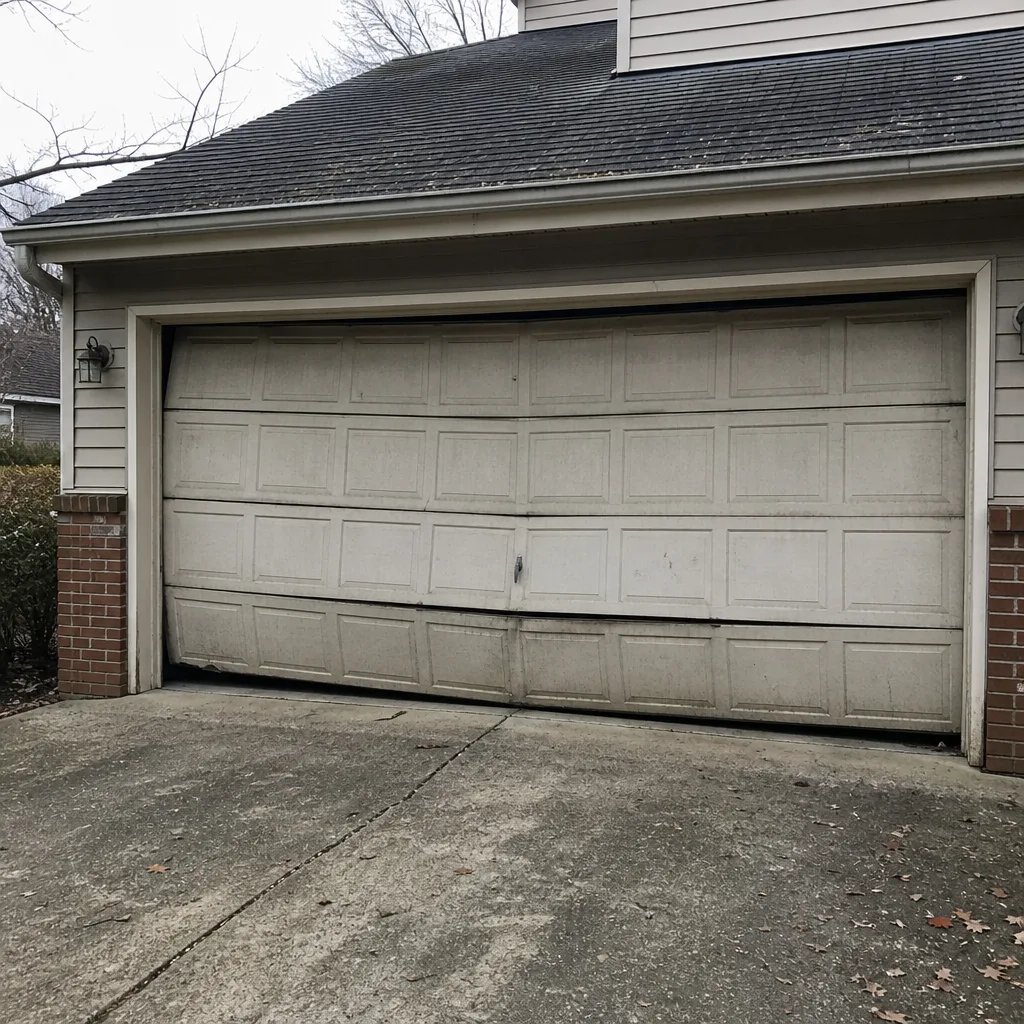 Before
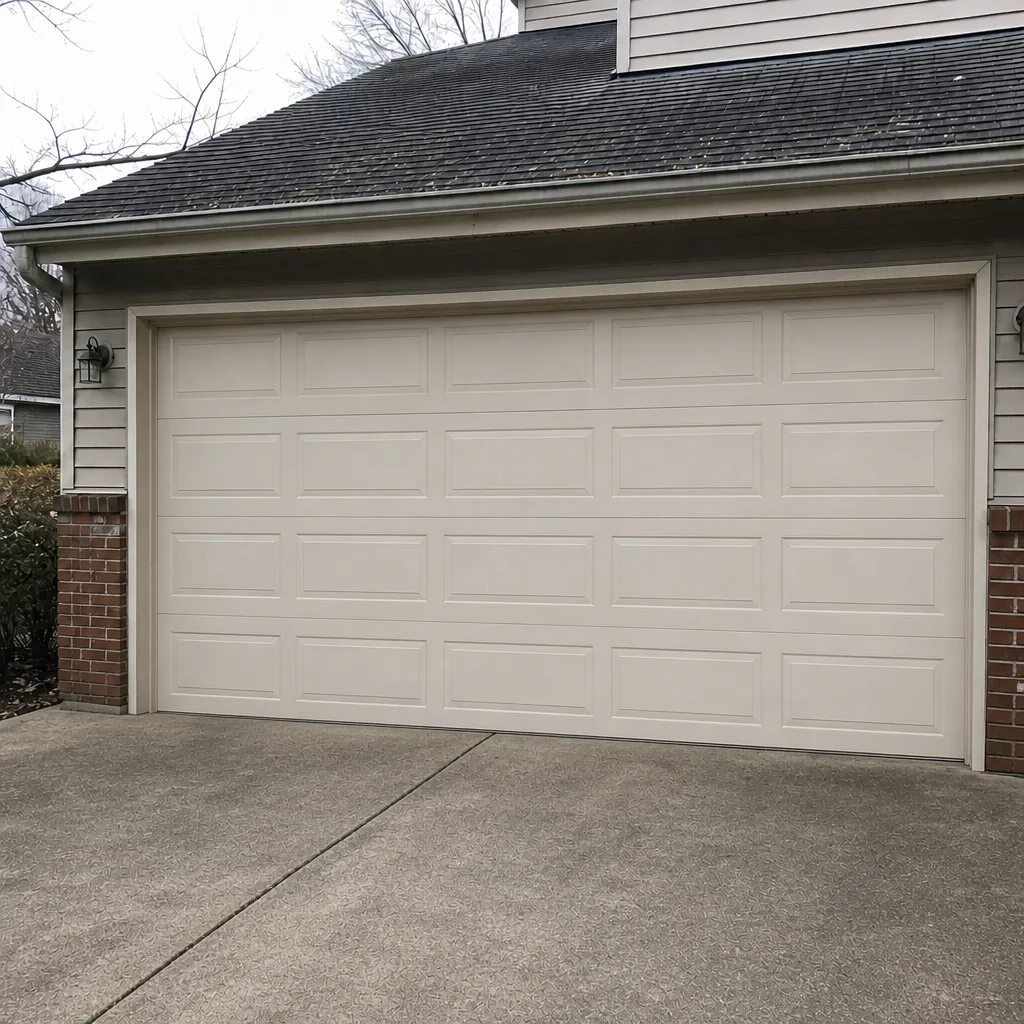 After
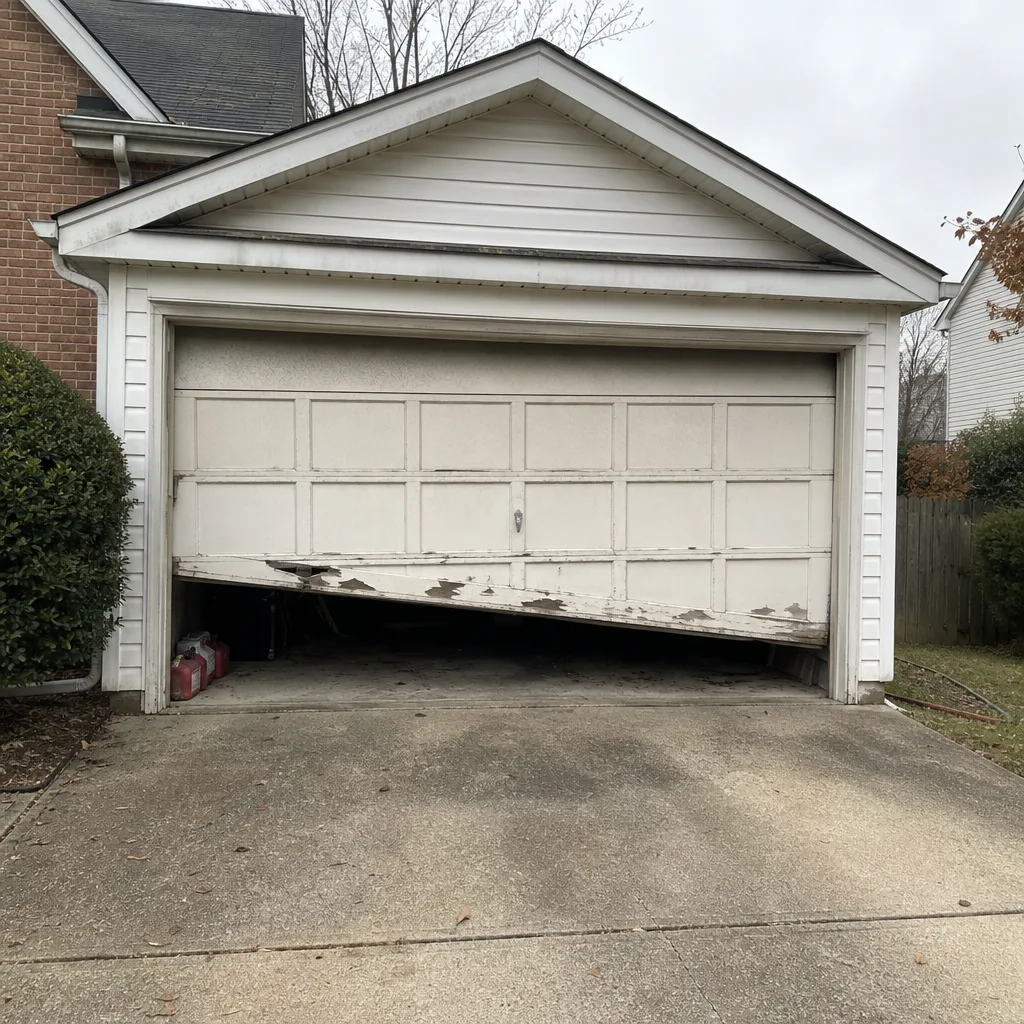 Before
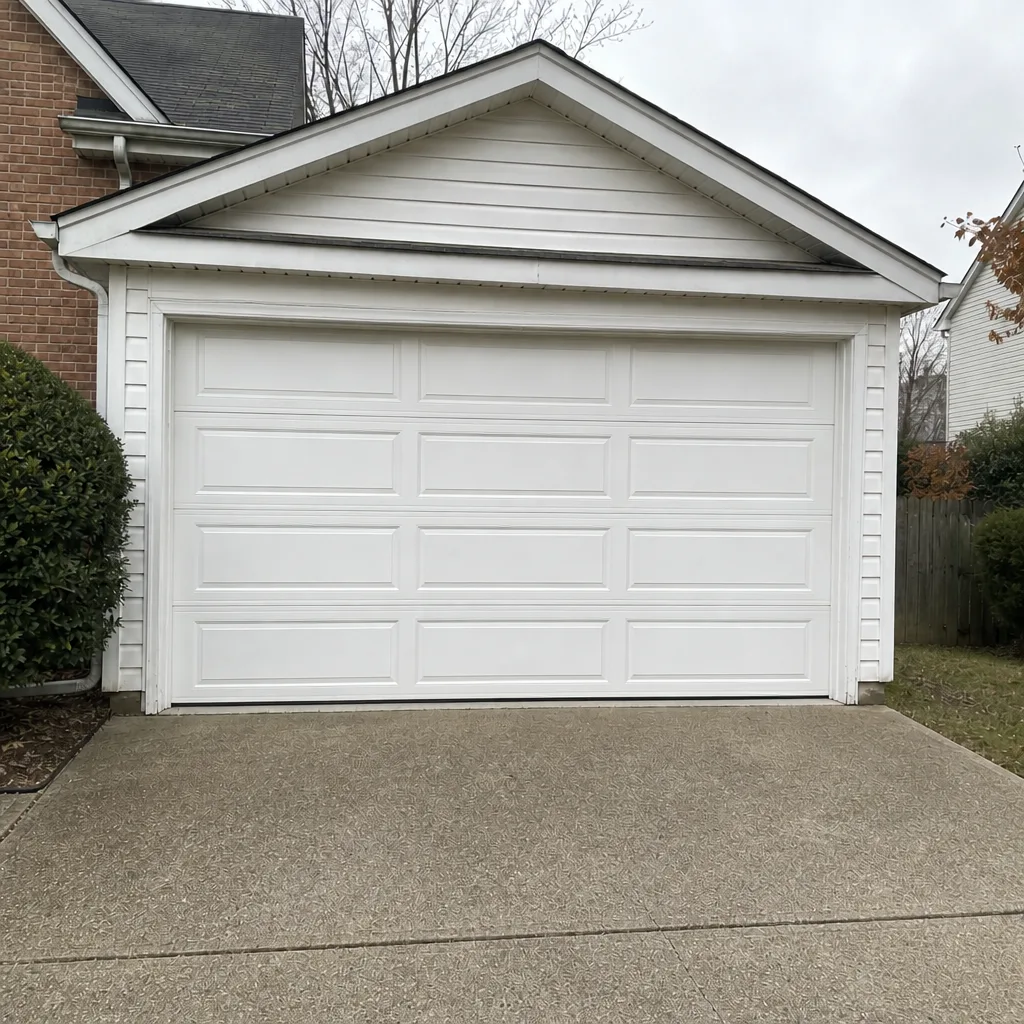 After
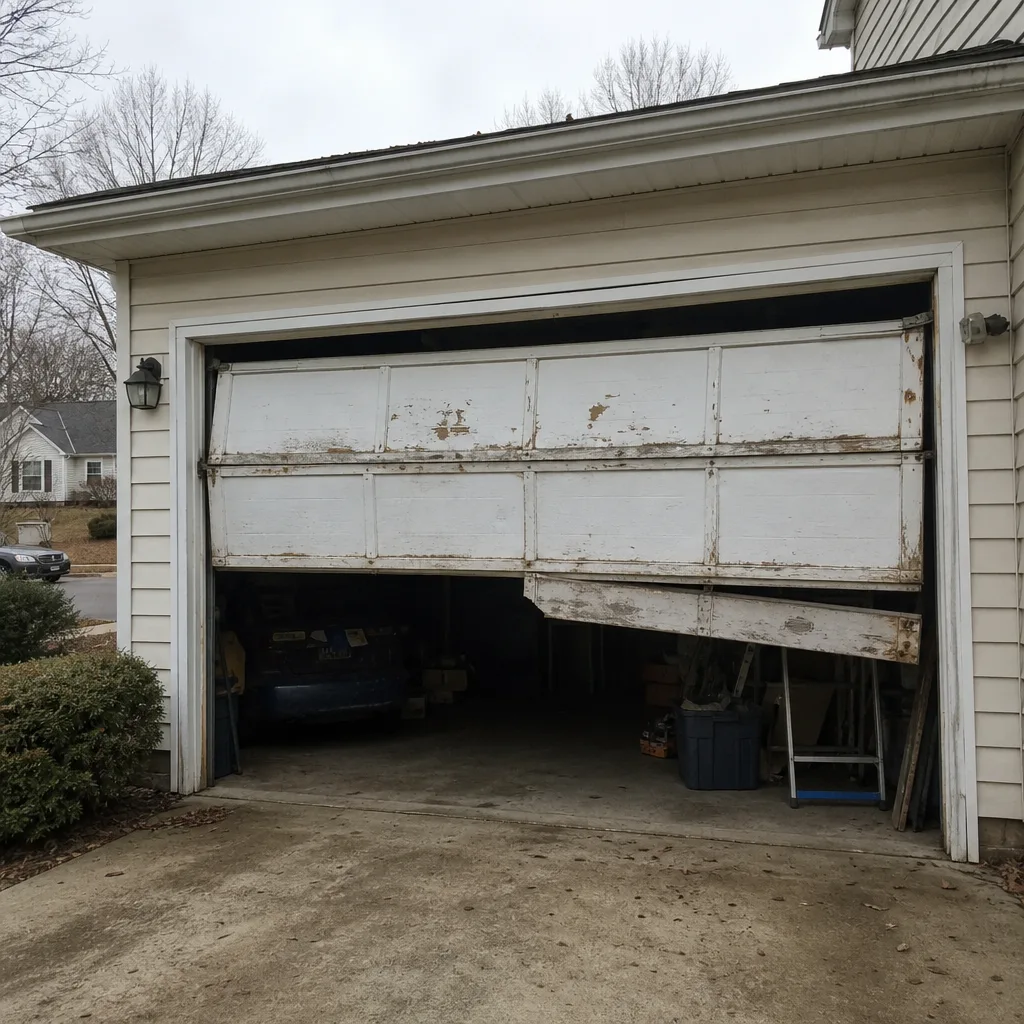 Before
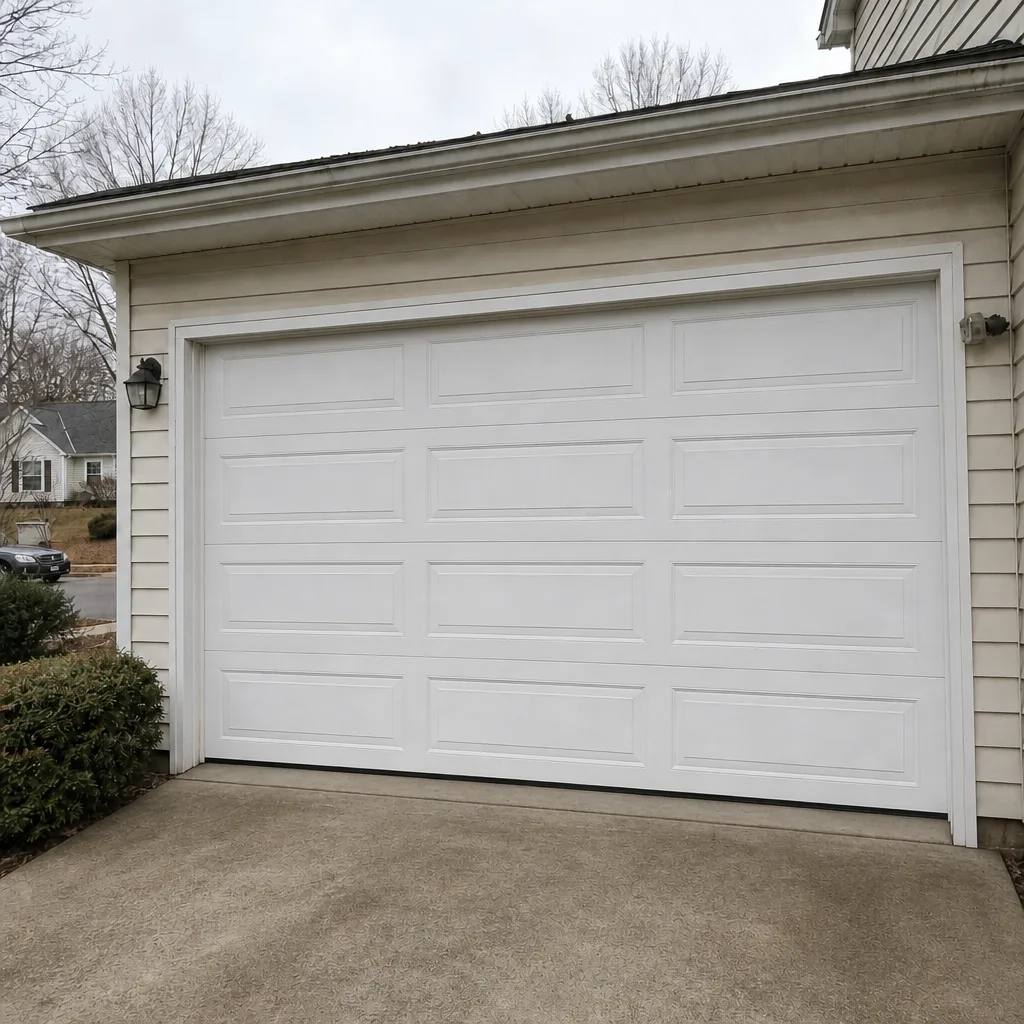 After
When to Call a Professional
Call a professional when the problem involves springs, cables, or track alignment; when the door is hanging crooked; when a loud bang has occurred and the door is heavy; or when a sensor or limit adjustment doesn’t resolve the symptom after two attempts. Also call if the door is stuck open and the house is unsecured. Centreville Garage Door Repair offers free estimates in Centreville. Call (877) 792-6396. Our technicians have up to 10 years of experience, and we work on LiftMaster, Chamberlain, Genie, Clopay, Amarr, Wayne Dalton, Craftsman, and Raynor equipment. We answer 24/7, with fast dispatch from 7am to 7pm, Sunday through Friday.
Frequently Asked Questions
Check the safety sensors first. A blinking LED on either sensor means the beam is interrupted, which is the most common reason a door closes partway and reverses. Clean both lenses, check for an obstruction (a trash can or bicycle), and confirm both sensors are lit. If they’re steady and the door still won’t close, check the wall button and then the opener’s travel limits. Call (877) 792-6396 if the door still reverses after those steps.
No. A loud bang is most often a torsion spring, but it can also be a cable or a carriage bolt. The reliable signal is what happens to the door afterward: if it becomes very heavy or hangs crooked, treat it as a spring or cable failure and don’t operate it. Call us for a free estimate and we’ll diagnose the exact cause.
No. Springs are under extreme tension and can cause serious injury if adjusted incorrectly. This is the one repair we ask homeowners not to attempt. Call (877) 792-6396 and our technicians will handle the spring safely.
Not necessarily. Centreville’s humidity and temperature swing affect wood doors (swelling and shrinking) and steel doors (track and roller tightness) differently. A door that only binds in July or January may need a seal, roller, or alignment adjustment rather than a major repair. A diagnostic visit will confirm which it is. Estimates are free.
We service LiftMaster, Chamberlain, Genie, Clopay, Amarr, Wayne Dalton, Craftsman, and Raynor. If your model is one of these, we’ll know the specific travel limits, remote pairing, and panel profiles for it. Call (877) 792-6396 to confirm your model before we schedule.
We don’t quote a flat price because the cost depends on the failure: a sensor reset differs from a spring replacement, and a panel repair differs from a full track adjustment. The price is quoted and agreed before any work starts, and the written estimate sets the final price. Call (877) 792-6396 for a free estimate.
The Bottom Line
Most garage door problems are the result of treating a symptom before identifying the system. Isolate the opener, springs, tracks, sensors, and remote one at a time. Reset what’s safe (batteries, sensors, limits). Stop at what’s dangerous (springs, cables, track adjustment). And don’t let a seasonal symptom push you toward a replacement before a diagnosis. In Centreville, the climate itself can mimic a mechanical failure, so the right first question is “is this weather or hardware?” If you get stuck, we’re here. Call (877) 792-6396 for a free estimate. We answer 24/7, with fast dispatch from 7am to 7pm, Sunday through Friday.
Written by the team at Centreville Garage Door Repair.