
Last updated November 22, 2026
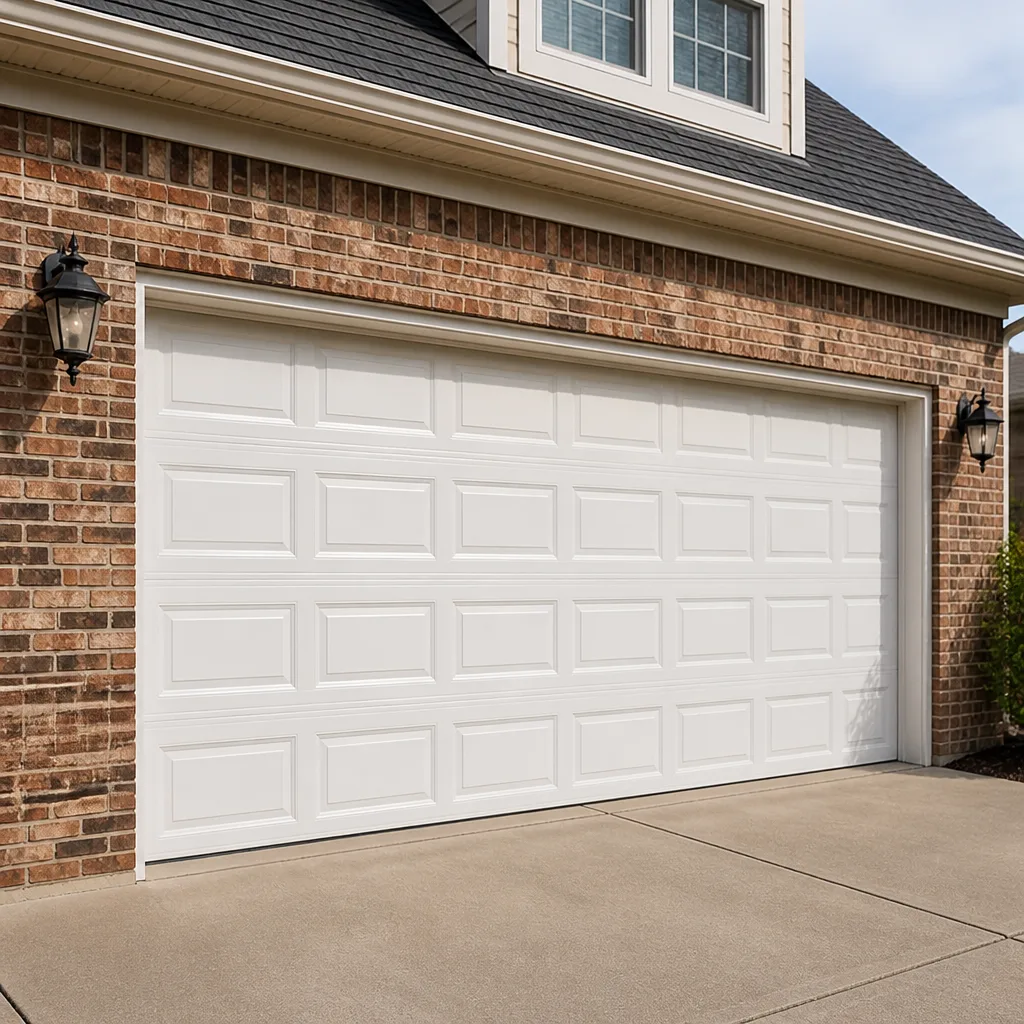 Raised-panel steel
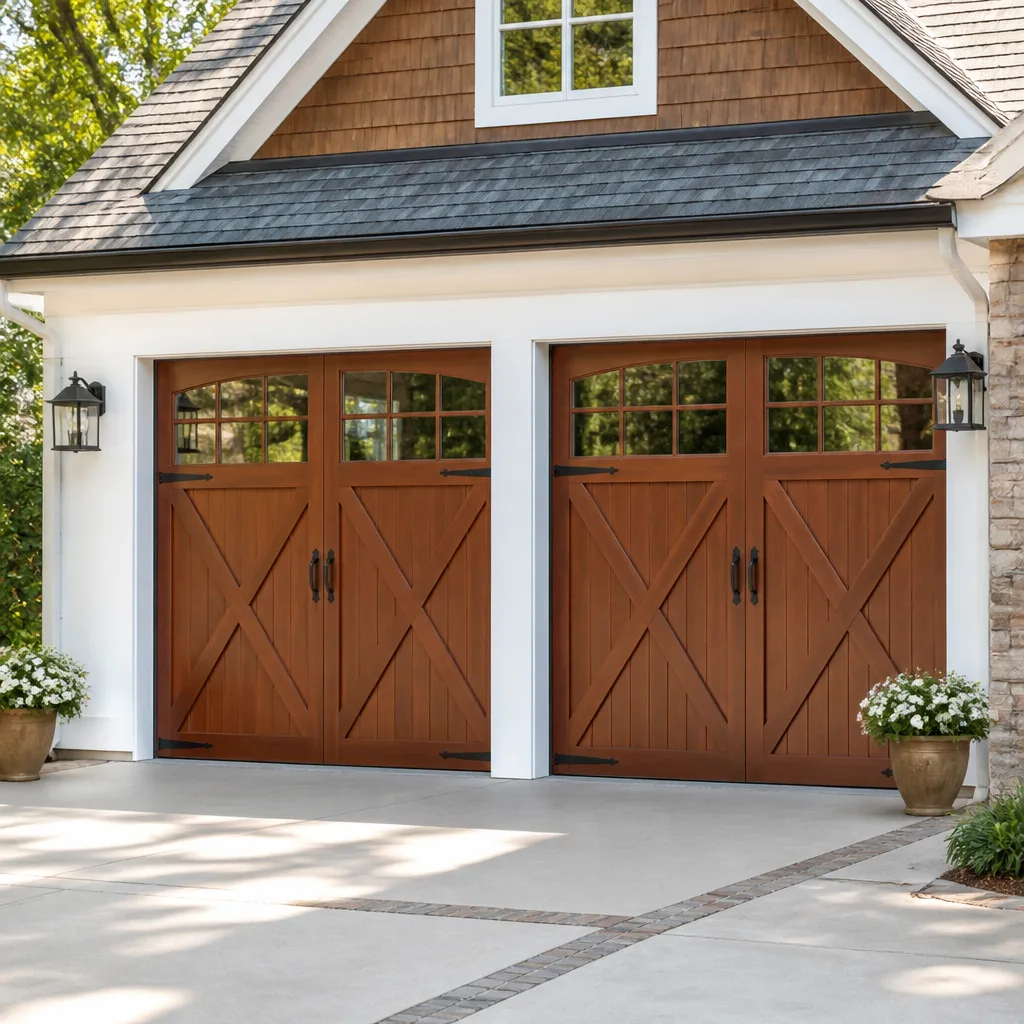 Carriage house
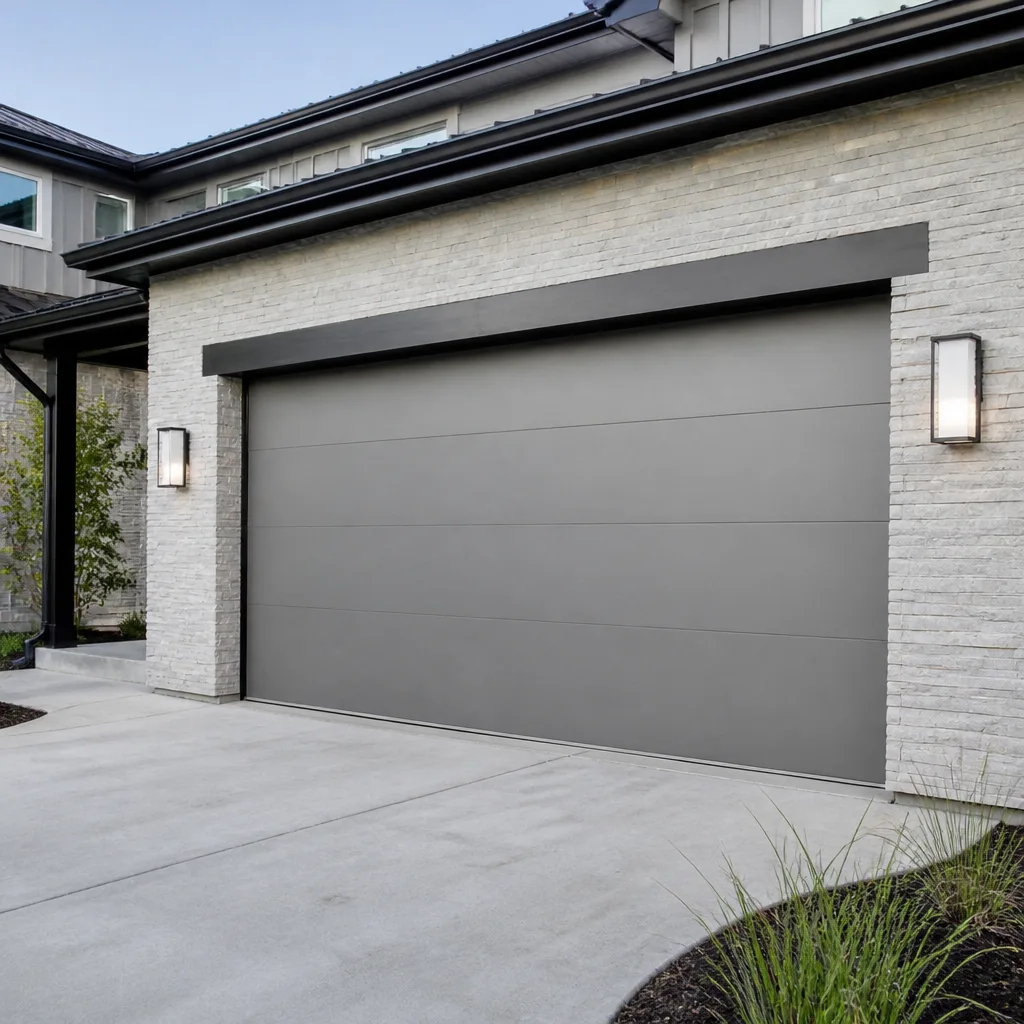 Modern flush
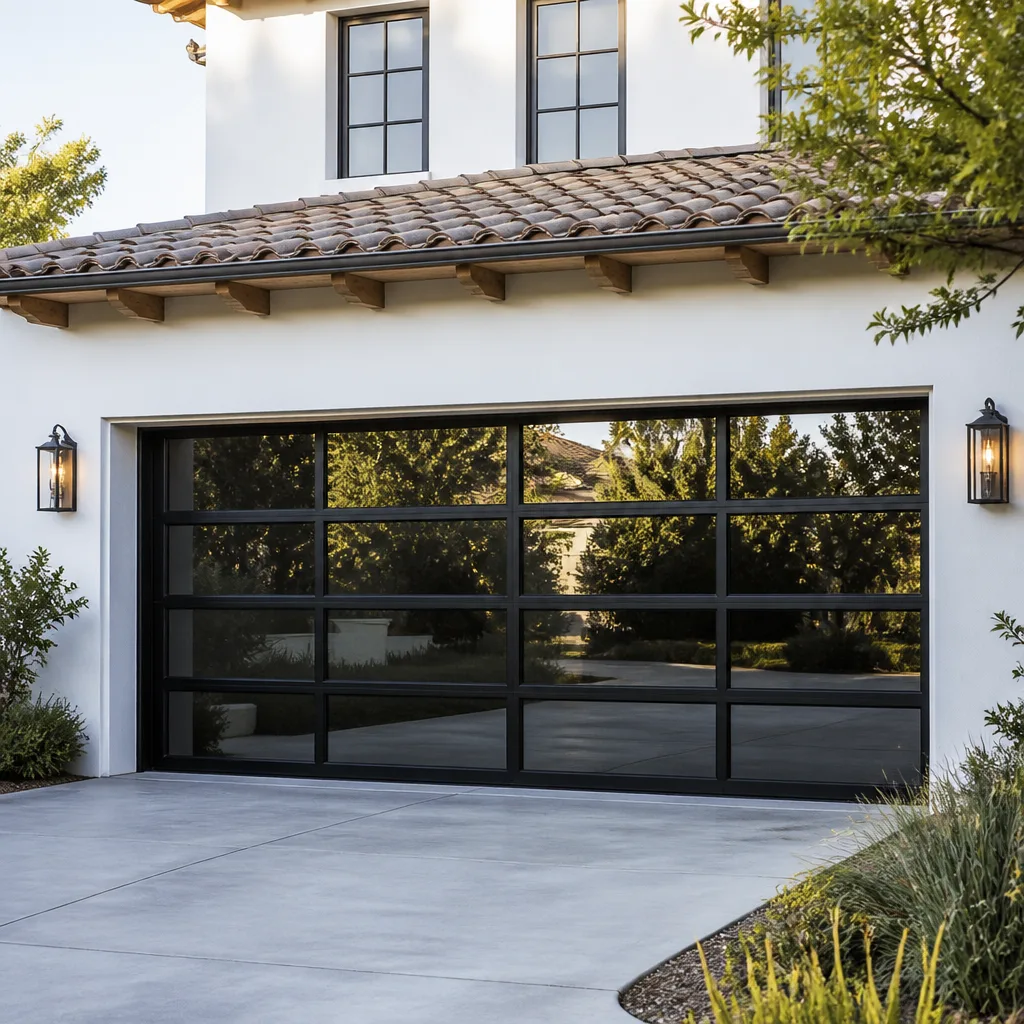 Full-view glass
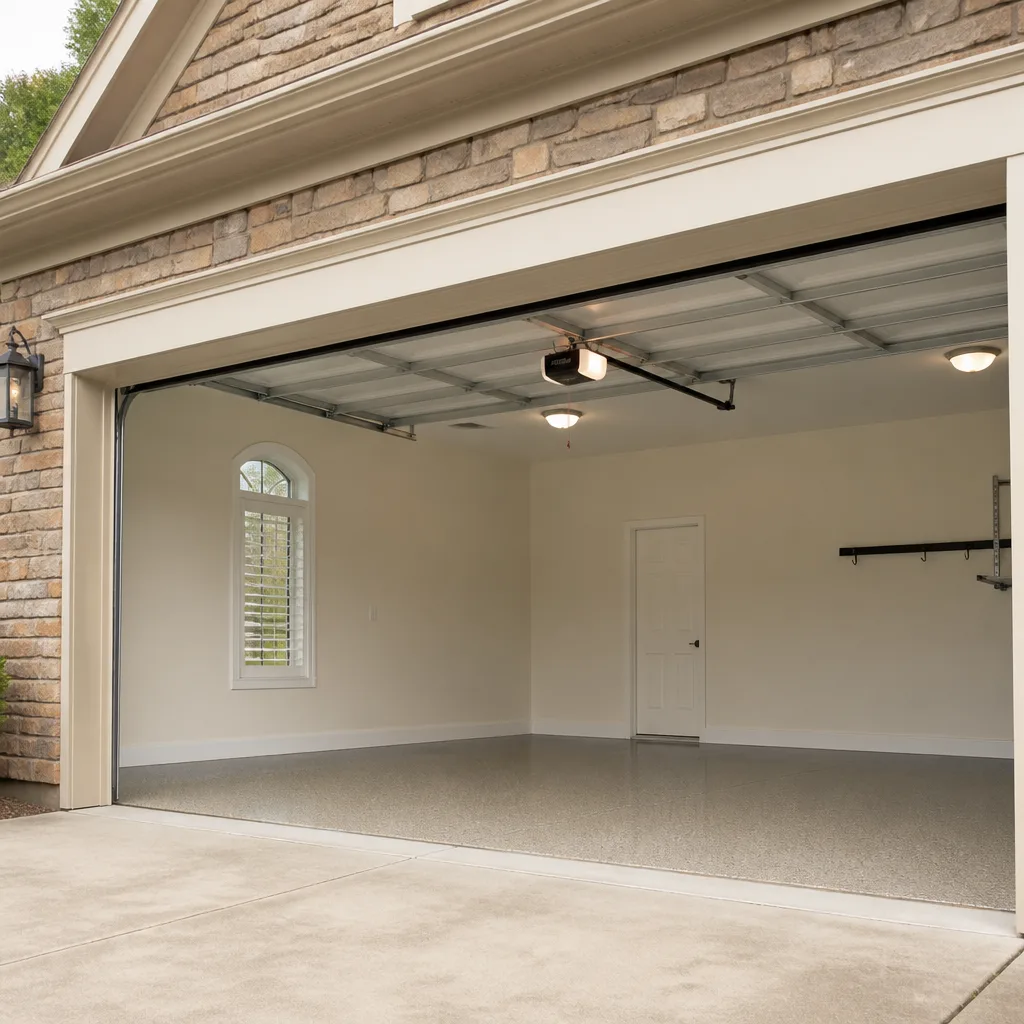 LiftMaster openers
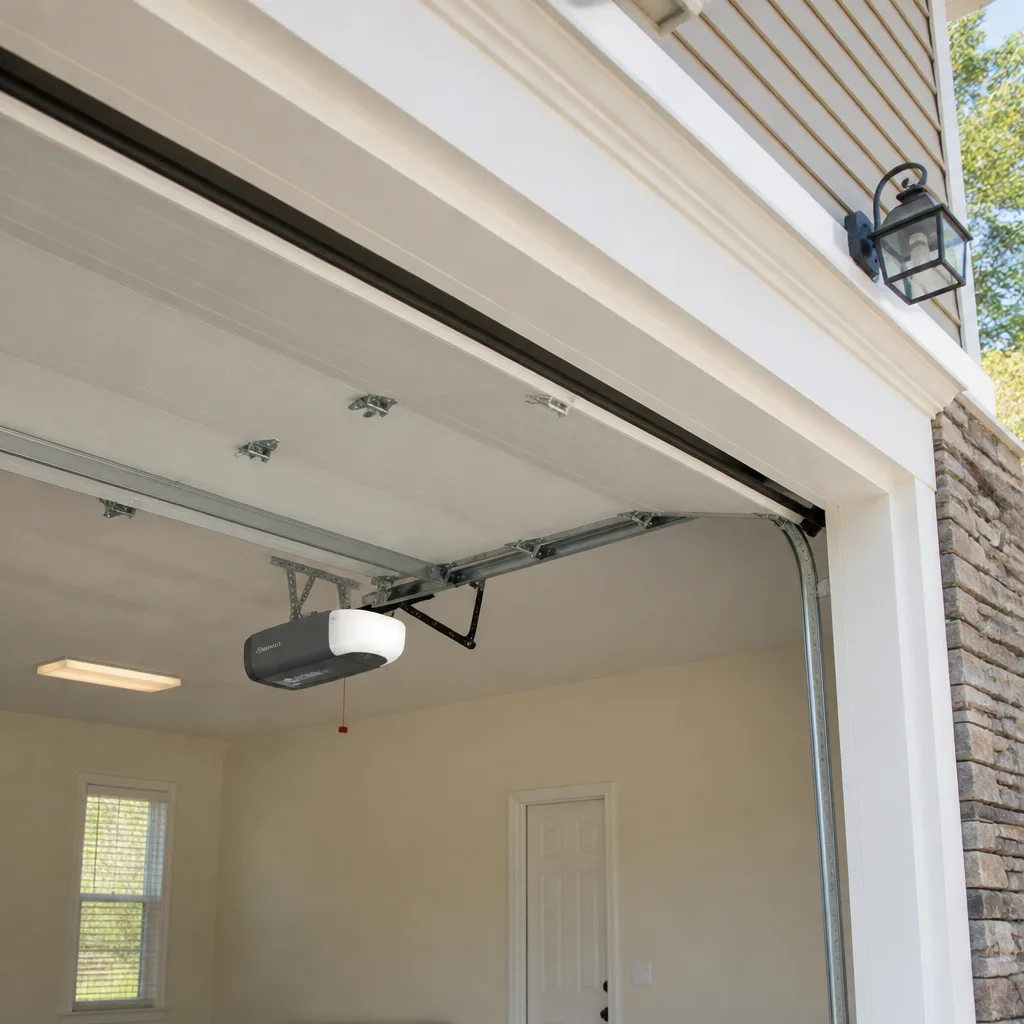 Chamberlain openers
Full 25-point door and opener safety check with every visit - springs, cables, rollers, tracks, and your LiftMaster or Chamberlain opener included
You get a price before we start. It does not change when the pro arrives.
Get your free estimateSeasonal Garage Door Care for Centreville: Year-Round Homeowner’s Guide
Centreville doesn’t get Buffalo winters or Phoenix summers. It gets a little of everything, sometimes in the same month. That variability is actually tougher on springs, cables and weather seals than a predictably cold climate, and most seasonal care guides aren’t written for it. A door that cycles through a 30-degree February morning and a 65-degree afternoon three days later is working harder than a door that stays cold all winter. Metal expands and contracts, lubricant thins and thickens, seals stiffen and soften, and hardware works itself loose. This guide gives Centreville homeowners a realistic year-round schedule built around Northern Virginia’s actual seasonal patterns, not generic spring-and-fall advice. You’ll learn what to check, when to check it, and what to leave to a trained technician.
Quick Answer
Garage door care in Centreville works best on a quarterly rhythm rather than a spring-and-fall one: check balance, lubrication and seals every three months, pay closest attention in late winter when freeze-thaw cycles stress springs, watch bottom seals and wooden panels through July and August humidity, and clear and lubricate moving parts before the first hard freeze. Most of this takes under 30 minutes per quarter. Anything involving springs, cables or the door’s balance under tension calls for a professional.
Styles & brands we work with
- Raised-panel steel
- Carriage house
- Modern flush
- Full-view glass
- LiftMaster openers
- Chamberlain openers
Table of Contents
- Why Centreville’s Climate Is Hard on Garage Doors
- Late Winter: The Highest-Risk Window for Springs
- Spring: Post-Freeze Inspection Checklist
- Summer: Humidity, Wood Panels and Seal Adhesion
- Fall: The Most Overlooked Seasonal Window
- Winterizing Weather Seals Without Over-Compressing Them
- Month-by-Month Task Calendar
- Opener and Smart-Hardware Care Through the Seasons
Why Centreville’s Climate Is Hard on Garage Doors
Steady climates are easier on garage doors than inconsistent ones. A door in a place that stays below freezing from December to March deals with cold, but it deals with the same cold every day. Centreville sits in a transition zone where a single week in February can swing from ice to mild rain and back. Springs, cables and hinges flex through those swings repeatedly, and repeated flexing is what wears metal.
The Mid-Atlantic pattern also means moisture arrives in different forms across the year. Winter brings wet snow and freezing rain that melt into the door’s bottom seal. Summer brings weeks of high humidity that swell wood panels and soften seal adhesives. Neither season is extreme on its own. The combination is what makes a Northern Virginia door age differently than one in a drier or colder market.
Homes around Centreville vary widely in garage type, and that matters for seasonal care. Older subdivisions often have single-car doors with wooden panels and chain-drive openers that have been in place a long time. Newer construction tends to favor insulated steel doors with belt-drive openers and smart controllers. Each setup responds differently to the same weather. Wood moves with humidity; steel moves with temperature. Belt drives stay quieter but can slip; chain drives are louder but more forgiving. Knowing which you have tells you which seasonal tasks deserve the most attention.
One thing doesn’t change with door type: springs and cables are under high tension and are genuinely dangerous to touch. We handle those so you don’t have to. Everything else in this guide is safe for a homeowner to check with eyes and hands.
Late Winter: The Highest-Risk Window for Springs
February and March are when torsion and extension springs fail most often in Centreville. The reason is freeze-thaw cycling. A spring that has been holding tension through a cold winter is already stressed, and then a mild stretch warms the metal, a cold snap contracts it, and the cycle repeats. Each one adds a little fatigue. By the time the last cold spell passes, a spring that was near the end of its life tends to let go.
You can’t inspect a spring the way you’d inspect a tire, but you can watch for the signs that one is close to failing:
- A loud bang from the garage, often described as sounding like a gunshot, usually means a spring has broken. Don’t try to open the door after that sound.
- The door feels unusually heavy when you lift it by hand (with the opener disconnected). A balanced door lifts with modest effort; a heavy one means the spring isn’t doing its share.
- A visible gap in the coil on a torsion spring above the door, or a stretched-out extension spring along the track. Both are signs of failure.
- The door rises a few inches and stops when you press the opener, or comes down hard and fast.
- Cables that look slack or off their drums. Stop and call a professional; do not try to re-seat a cable.
If you notice any of these, don’t cycle the door repeatedly to “test” it. A door being lifted by an opener against a broken spring puts strain on the opener’s gears and can bend the door’s panels. Call for garage door spring repair and let a trained technician assess it. Spring replacement is one of the most hazardous jobs in the trade, and it’s also one of the most common repairs we handle in Centreville this time of year.
If you’re not sure what you’re looking at, that’s fine. The safe move is a professional inspection before the door gets used heavily again.
Spring: Post-Freeze Inspection Checklist
Once the last hard freeze has passed, usually by mid-to-late March in Centreville, do a full inspection of the door’s mechanical and weather-seal components. This is the quarter where you catch winter damage before it turns into summer problems. The whole routine takes about 25 minutes.
- Look at the springs and cables. Check for gaps, sagging, rust or cable slack. If anything looks wrong, stop and call a professional.
- Test the door’s balance. Disconnect the opener (pull the release handle), lift the door halfway, and let go. A balanced door stays put. One that drops or rises on its own is out of balance.
- Check the door’s travel and reversal. Reconnect the opener and test that the door reverses when it meets an obstruction. Most openers have a test procedure in their manual.
- Inspect the bottom seal. Look for cracks, tears, or a seal that has pulled away from the door’s bottom edge. Winter ice often damages this.
- Check the weatherstripping around the frame. Look for gaps at the sides and top, especially where the door meets the frame.
- Lubricate the moving parts. Apply garage-door lubricant to hinges, rollers, and the spring (if it’s an extension spring). Avoid WD-40 as a long-term lubricant; use a product made for garage doors.
- Tighten visible bolts. The brackets that hold the track and hinges work loose over a season. Snug them by hand and with a wrench, but don’t over-tighten.
If any step turns up something you’re not comfortable with, particularly anything involving springs or cables, stop and call. A door that’s out of balance or has a failing spring needs professional attention before it gets used through the summer.
Summer: Humidity, Wood Panels and Seal Adhesion
Virginia’s July and August humidity is the biggest summer threat to garage doors, and it hits two things hardest: wood panels and bottom seals. Wood absorbs moisture and swells. When it dries in September, it shrinks back. That cycle, repeated over several summers, causes panels to warp, paint to crack, and joints to separate. If your Centreville home has a wooden or wood-composite door, summer is when you’ll notice the changes.
Bottom seals take a different kind of hit. The adhesive that holds the seal to the door’s bottom edge softens in heat and humidity, and the seal can start to peel. Once it peels, it lets in water, insects and outside air, and the problem compounds through fall and winter. A bottom seal that’s pulling away is a small repair now and a bigger one later.
What to do during the summer quarter:
- Inspect wood panels for swelling, cracking or peeling paint. Touch up paint where it’s failing; paint is the door’s moisture barrier.
- Press along the bottom seal to check that it’s still firmly attached. If it lifts easily at any point, it’s time to replace it.
- Check the seal’s contact with the floor. A seal that’s compressed flat won’t keep water out. Replace it if it’s lost its shape.
- Wipe down steel panels to remove pollen and debris that trap moisture against the finish.
- Listen for new noises when the door operates. Humidity changes how rollers and hinges move; a door that suddenly sounds different is telling you something.
Summer is also a good time to look at the opener. Heat and humidity can affect the opener’s logic board and remote battery performance. If your door opens or closes only partway, or your remotes have become unreliable, that’s an opener issue, not a door issue. Our garage door opener repair service covers LiftMaster, Chamberlain, Genie, Craftsman and the other major brands.
Fall: The Most Overlooked Seasonal Window
Fall is the seasonal task most homeowners skip, and it’s the one that matters most for winter performance. The goal is to get the door ready for cold before the first freeze, not after. In Centreville, that window runs roughly from late September through early November. Miss it and you’re doing the work in December when the weather is worse and the stakes are higher.
Fall tasks are mostly about transition and preparation:
- Lubricate again. A fresh coat of garage-door lubricant going into winter protects hinges and rollers from cold-weather stiffness.
- Inspect the weather seals for summer damage. If the bottom seal cracked or pulled away during the summer, replace it now.
- Clear debris from the tracks. Leaves, twigs and grit collect in the tracks through fall and can jam the rollers once freezing temperatures arrive.
- Check the door’s balance again. A door that was balanced in spring may not be after a summer of use. Test it before winter.
- Inspect the opener’s drive belt or chain. Loose belts and stretched chains strain harder in cold weather. If they need adjustment, do it before winter.
- Test the safety reverse. Cold can affect how well the safety sensors work. Clean the sensor lenses and confirm the door reverses on obstruction.
- Look at the door’s paint or finish. Bare or chipped spots on steel doors rust faster in winter. Touch them up.
If your door has been making noise or feeling heavy, fall is the time to address it. A balanced door is easier on the opener through winter than one that’s fighting gravity on every cycle. If you suspect a spring is aging, get it checked now rather than waiting for it to fail in the middle of a February cold snap.
Winterizing Weather Seals Without Over-Compressing Them
Centreville winters aren’t the coldest in the region, but they’re wet and icy enough to test every seal on the door. The bottom seal is the one that matters most, and how you prepare it matters more than most people realize. Over-compressing the seal to “make sure it seals” is a common mistake that shortens its life.
The bottom seal’s job is to create a flexible barrier between the door and the floor. If it’s compressed too hard, it flattens and loses its ability to spring back. Once flattened, it stops sealing, and the door starts letting in water, cold air and pests. Here’s how to winterize without causing that:
- Check the seal’s thickness against the floor gap. The seal should touch the floor firmly but not be crushed. If the gap under the door is large, a thicker seal is the fix, not a tighter adjustment.
- Adjust the door’s down-limit only if the seal is barely touching. Lower it in small increments and test that the door still reverses on obstruction.
- Replace any seal that has lost its rebound. A seal that stays flat after you press it is done; a new one will restore the winter barrier.
- Check the side and top weatherstripping. Cold air and water come in through gaps at the frame. Replace any that are stiff or torn.
- Keep ice off the seal’s travel path. Don’t park on wet, slushy ground right in front of the door if you can avoid it; ice buildup on the floor is what damages seals most.
An icy morning is the worst time for a seal problem to show up. Winterizing in fall, before the first freezing rain, is what saves you the cold repair.
Month-by-Month Task Calendar
The most useful way to think about year-round garage door care in Centreville is as four quarterly check-ins rather than a monthly list. Each check-in takes under 30 minutes, which is realistic for most homeowners. Here’s the seasonal rhythm we recommend:
- January: Quick visual check after any cold snap. Look for spring gaps and listen for new noises. No tools needed.
- February: Highest-risk month for spring failure. If the door feels heavy or stops partway, stop using it and call.
- March: Full spring inspection (the 7-step checklist above). This is the big quarterly check.
- April – May: Post-inspection follow-ups. Lubricate if you haven’t, test balance, address any recommended repairs.
- June: Quick check before summer heat. Look at seals and listen for opener changes.
- July: Peak humidity. Inspect wood panels for swelling and press along the bottom seal.
- August: Second humidity check. Replace any seal that’s peeling or lost its rebound.
- September: Full fall inspection (the 7-step checklist above). The biggest quarterly check of the year.
- October: Lubricate, clear tracks, check balance, test safety reverse.
- November: Finish any fall repairs before the first freeze. Replace worn seals now.
- December: Quick visual check after the first freeze. Note anything that needs attention in the next quarter.
In practice, most homeowners collapse this into four check-ins: mid-January, late March, mid-July, and late September. The time commitment is modest. The benefit is catching problems before they become emergency calls.
If you’d rather have a professional do the inspection, book it after the fall and spring check-ins. We handle the garage door repair side of things so you don’t have to guess.
Opener and Smart-Hardware Care Through the Seasons
The opener is the part of the system most affected by temperature swings, and it’s also the part most people neglect. Opener performance changes with the seasons: belts loosen in cold, chains tighten, remotes lose range in extreme heat, and smart controllers occasionally need a reboot after power interruptions that come with summer storms.
A few seasonal tips for opener care in Centreville:
- Test the safety reverse at every quarterly check. Cold affects the sensors as much as the door.
- Replace remote batteries in fall. Cold drains batteries; a fresh set going into winter prevents the morning your remote doesn’t work.
- Lubricate the opener’s drive mechanism annually. Consult your opener’s manual for the right product and interval.
- Check smart-app connectivity after storms. Power surges can reset WiFi modules. A quick reconnect prevents a future frustration.
- Listen for new noises from the opener. Grinding or clicking usually means a worn gear, a loose belt or a failing motor.
Our technicians have up to 10 years of experience with LiftMaster, Chamberlain, Genie, Craftsman and the other major opener brands. That matters when a seasonal noise turns out to be a specific part on a specific model rather than something a generalist has to guess at. No guesswork, same call, full fix.
If you’ve got a Wayne Dalton or Raynor opener or a door with a smart controller, we’re equally familiar with those. Single point of contact from diagnosis through repair, with no handoffs to another contractor. If you’re looking for the company that handles all of it, this is the Centreville Garage Door Repair team.
Common Mistakes to Avoid
- Following generic spring-and-fall advice. Centreville’s climate needs a quarterly rhythm, not a twice-a-year one. Late winter is the highest-risk window here, and it gets skipped by most guides.
- Lubricating with the wrong product. WD-40 is fine for loosening a stuck part but poor as a long-term lubricant. Use a garage-door lubricant that stays put and doesn’t attract grit.
- Over-compressing the bottom seal to “seal it better.” A flattened seal stops sealing. Set the down-limit to touch, not crush.
- Ignoring the door’s balance. A door that lifts or drops on its own is telling you the springs or the opener are struggling. It’s easier and cheaper to fix a balance problem in fall than an opener failure in winter.
- Testing a door with a suspected broken spring. Running the opener against a broken spring strains the opener and can bend panels. If you hear a bang or the door feels heavy, stop using it.
- Skipping summer humidity checks. Wood panels swell and seals peel quietly in July and August. A quick visual check in midsummer catches both.
- Waiting until an emergency to call. A seasonal inspection is calmer and easier to schedule than an emergency call when the door won’t close in the morning. Emergency service is here when you need it, but routine care catches most problems earlier.
See the difference
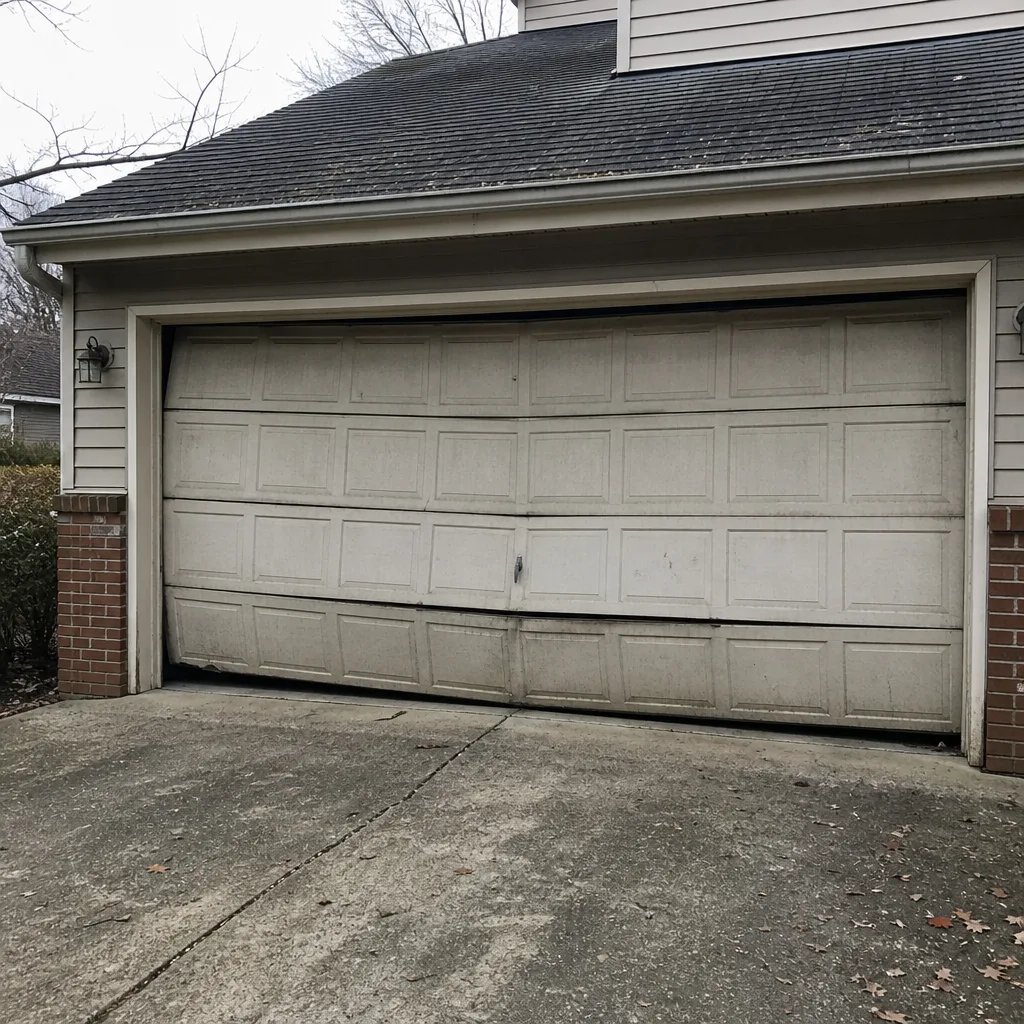 Before
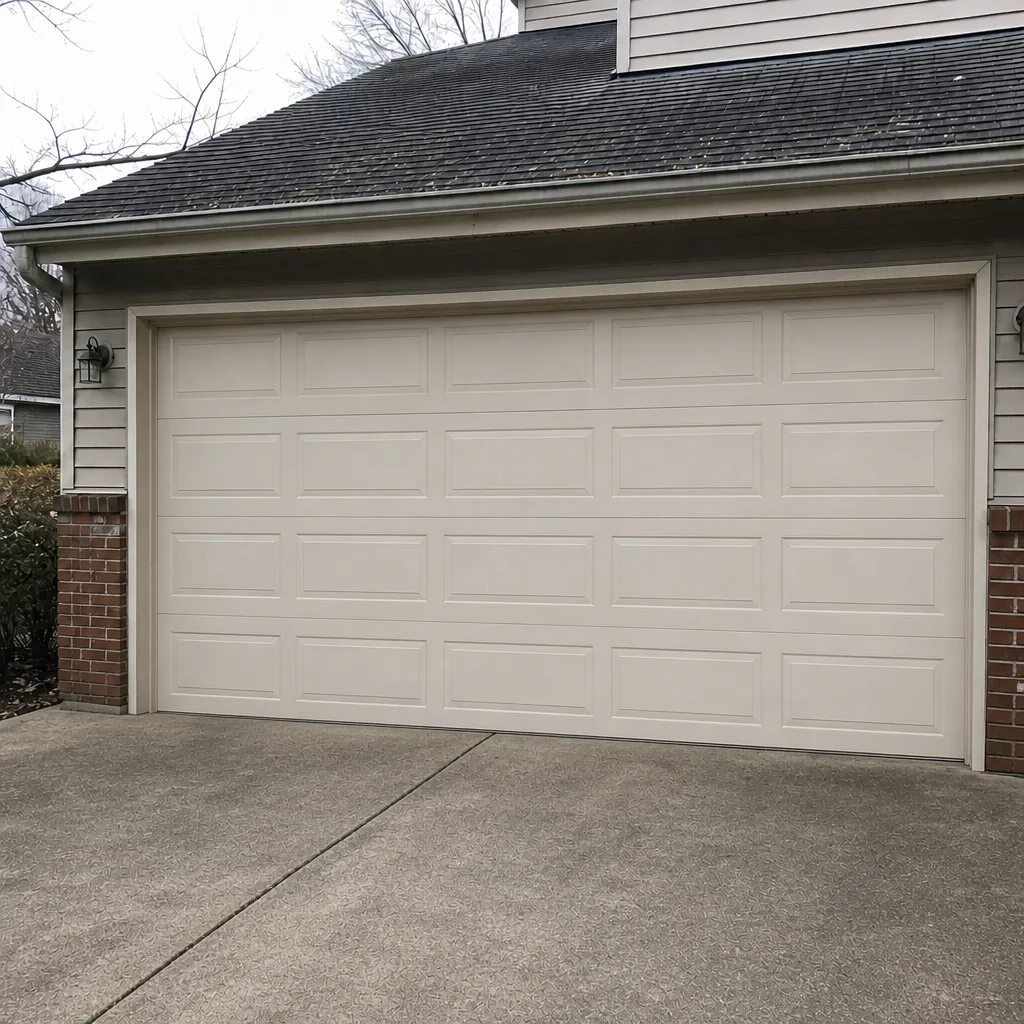 After
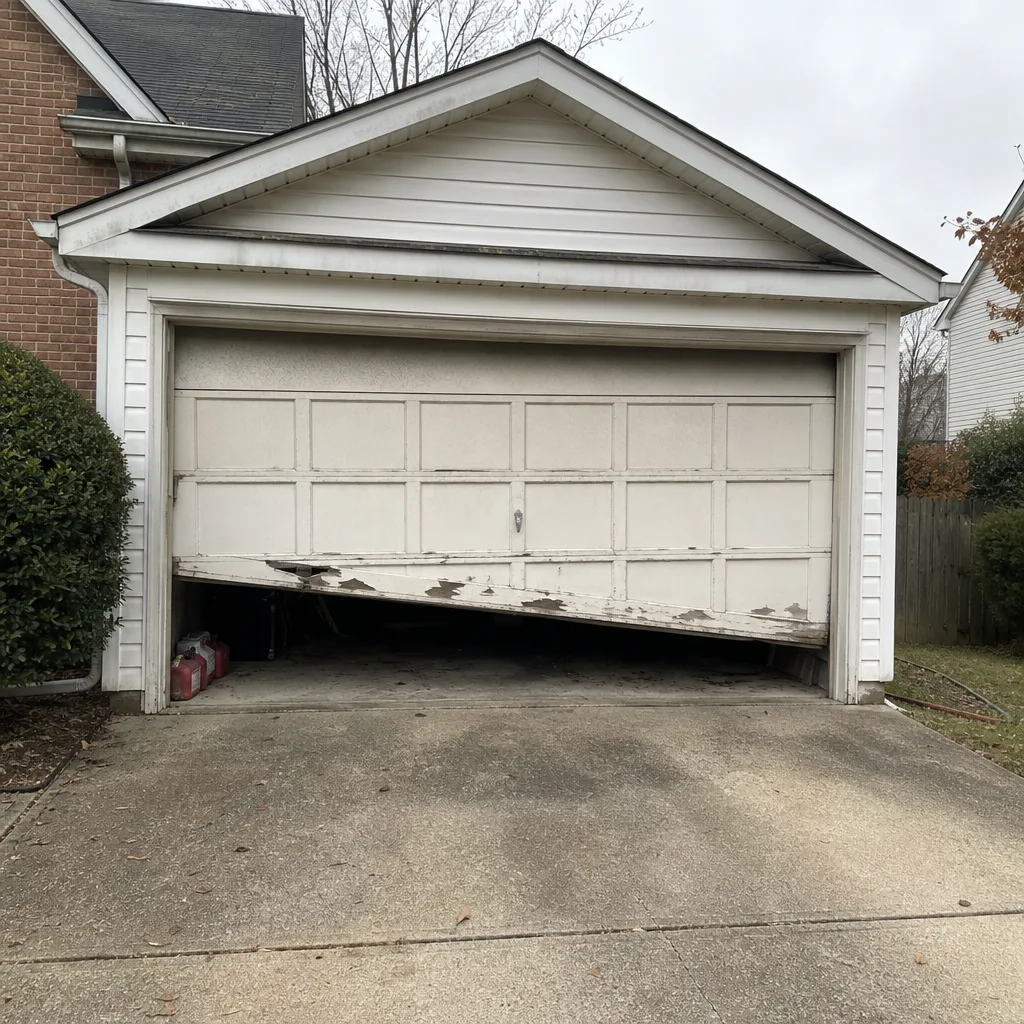 Before
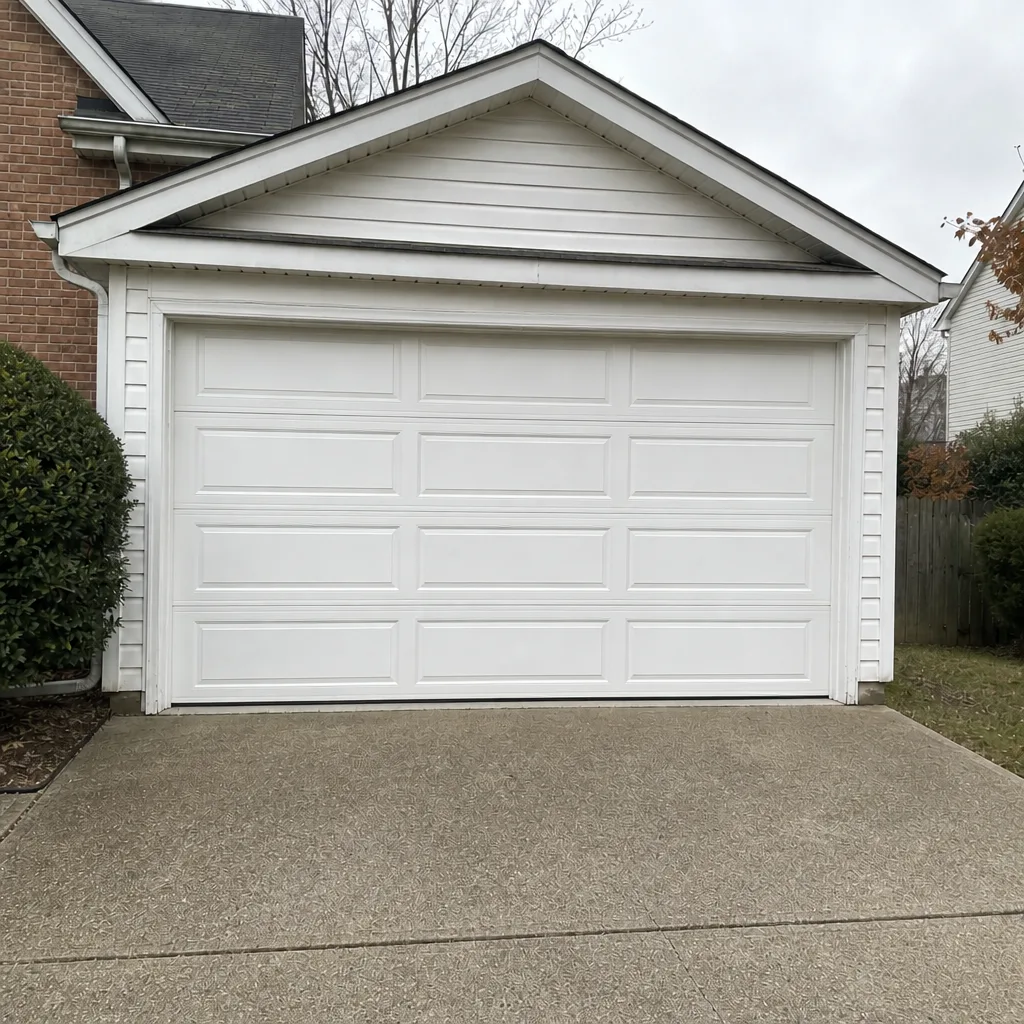 After
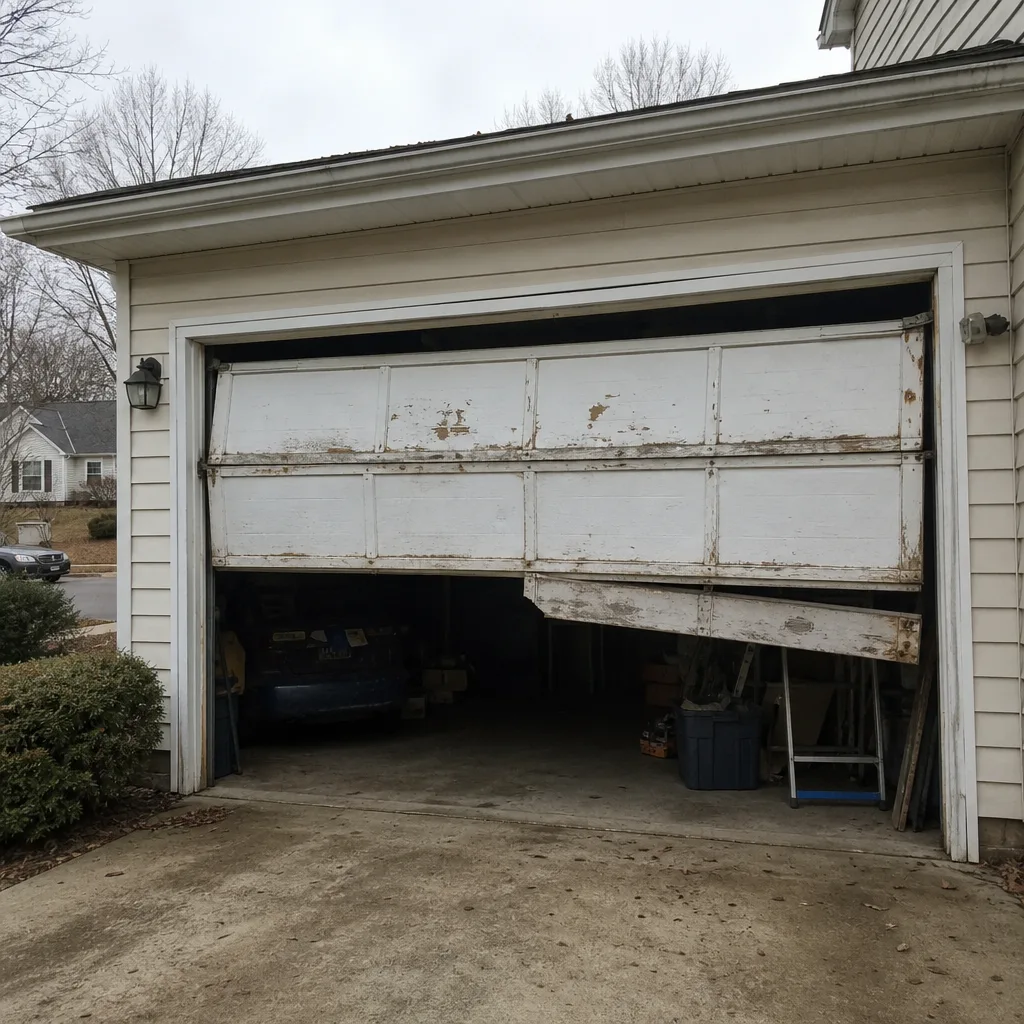 Before
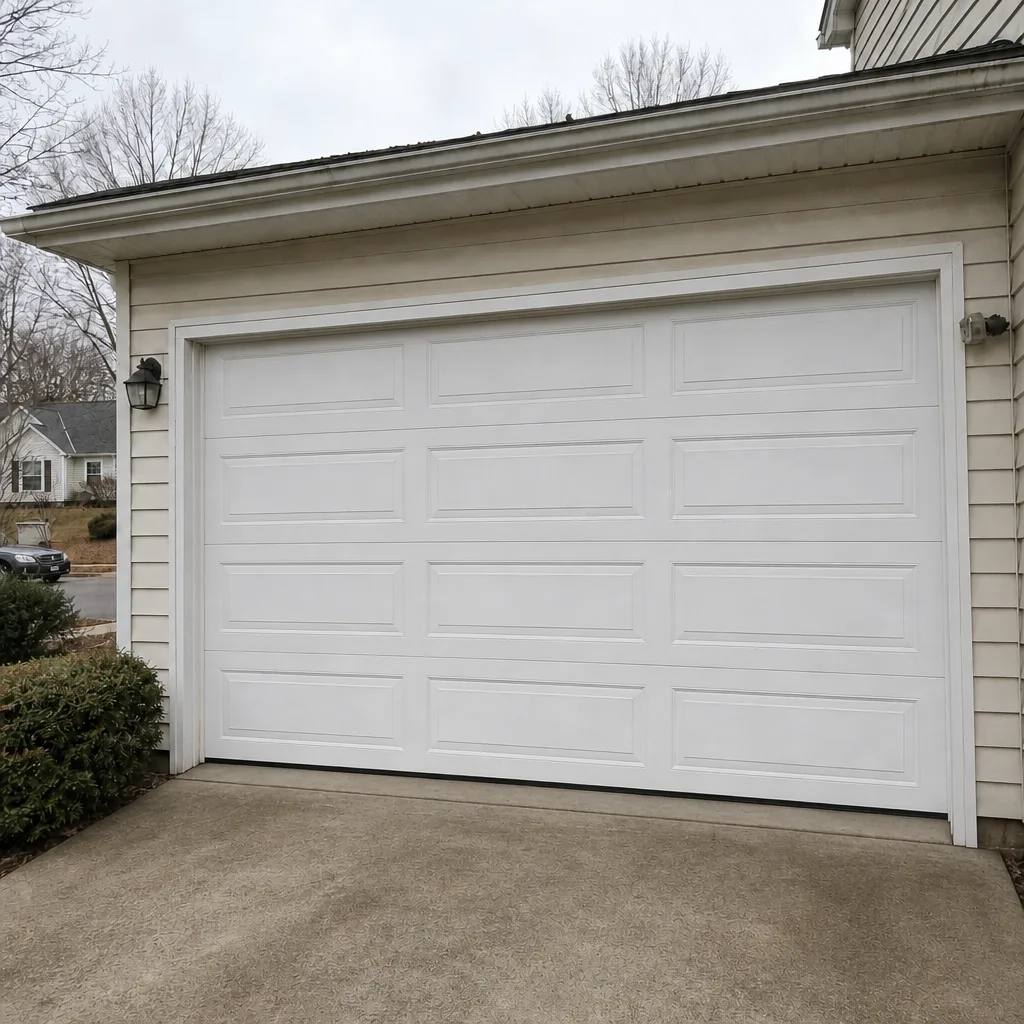 After
When to Call a Professional
Call a professional if any of these are true: the door feels unusually heavy when you lift it by hand, the door stops partway through its travel, you see a gap in a torsion spring coil or a sagging extension spring, a cable is slack or off its drum, the door comes down hard or fast, or the opener runs but the door doesn’t move. Those point to components that should not be adjusted by anyone but a trained technician. Springs and cables are under high tension. Adjusting them without the right tools and training is how people get seriously hurt.
If you’re unsure, call anyway. Centreville Garage Door Repair offers free estimates in Centreville. Call (877) 792-6396. We answer 24/7. Fast dispatch from 7am to 7pm, Sunday through Friday. The written estimate sets the final price, and the price is quoted and agreed before any work starts. If the door is failing at night or first thing in the morning, we take the call.
Frequently Asked Questions
Four times a year is the right rhythm for Centreville. Quarterly checks catch seasonal damage from freeze-thaw cycles, summer humidity and fall-to-winter transitions before they become bigger repairs. A professional tune-up once a year in late fall is a good complement to your own quarterly checks, particularly if your door is more than a decade old or has wooden panels.
Spring failure in late winter and early spring is the most common serious problem we see in Centreville. Freeze-thaw cycles from February through March fatigue the springs faster than steady cold would, and a spring that was near the end of its life tends to fail right as the season changes. If you hear a bang from the garage or the door suddenly feels heavy, that’s the sign. Call (877) 792-6396 for a free estimate on replacement.
Bottom seals and side weatherstripping are the two weather-seal components a homeowner can reasonably replace on their own, as long as they can reach the door safely and the door isn’t under spring tension during the job. Springs and cables are not DIY work; those are under high tension and require professional tools and training. If your seal replacement involves adjusting the door’s down-limit, and you’re not sure how, call us and we’ll do it safely.
After any winter storm with ice or heavy snow, check three things: whether the door is balanced (does it stay halfway open on its own), whether the bottom seal is still attached and flexible, and whether the door’s safety reverse still triggers. Ice and slush are hard on seals and on the door’s travel. If the door feels heavy or won’t open all the way, don’t keep pressing the opener. Call (877) 792-6396 and we’ll send a technician.
Yes, if your door has wooden or wood-composite panels, and yes for any door’s bottom seal. Wood swells in high humidity and shrinks when it dries, which over several summers causes warping, paint failure and joint separation. Bottom seals peel away from the door’s edge when the adhesive softens in heat. A quick midsummer check for swelling and seal peeling catches both early.
Yes. Emergency garage door service is a core part of what we do, and it covers both the “won’t close at night” and “won’t open in the morning” situations. Call (877) 792-6396. We answer 24/7. Fast dispatch from 7am to 7pm, Sunday through Friday. A call outside dispatch hours is booked into the next opening. The written estimate sets the final price, agreed before any work begins.
The Bottom Line
Centreville’s garage doors face a harder climate than their mild reputation suggests, because inconsistency wears on metal, wood and seals more than steady cold or steady heat. Quarterly check-ins are the fix. Watch for spring failure in late winter, inspect wood panels and bottom seals through summer humidity, do the full fall check-in before the first freeze, and winterize the bottom seal without over-compressing it. Anything involving springs, cables or balance calls for a professional. Our technicians have up to 10 years of experience with all the major brands, and our service covers repair, opener work, spring replacement and new door installation.
When the door needs more than a check-in, call (877) 792-6396 for a free estimate. We’ll diagnose it clearly, give you a written price, and get it working. Open or closed, we get it working.
Written by the team at Centreville Garage Door Repair.