
Last updated November 22, 2026
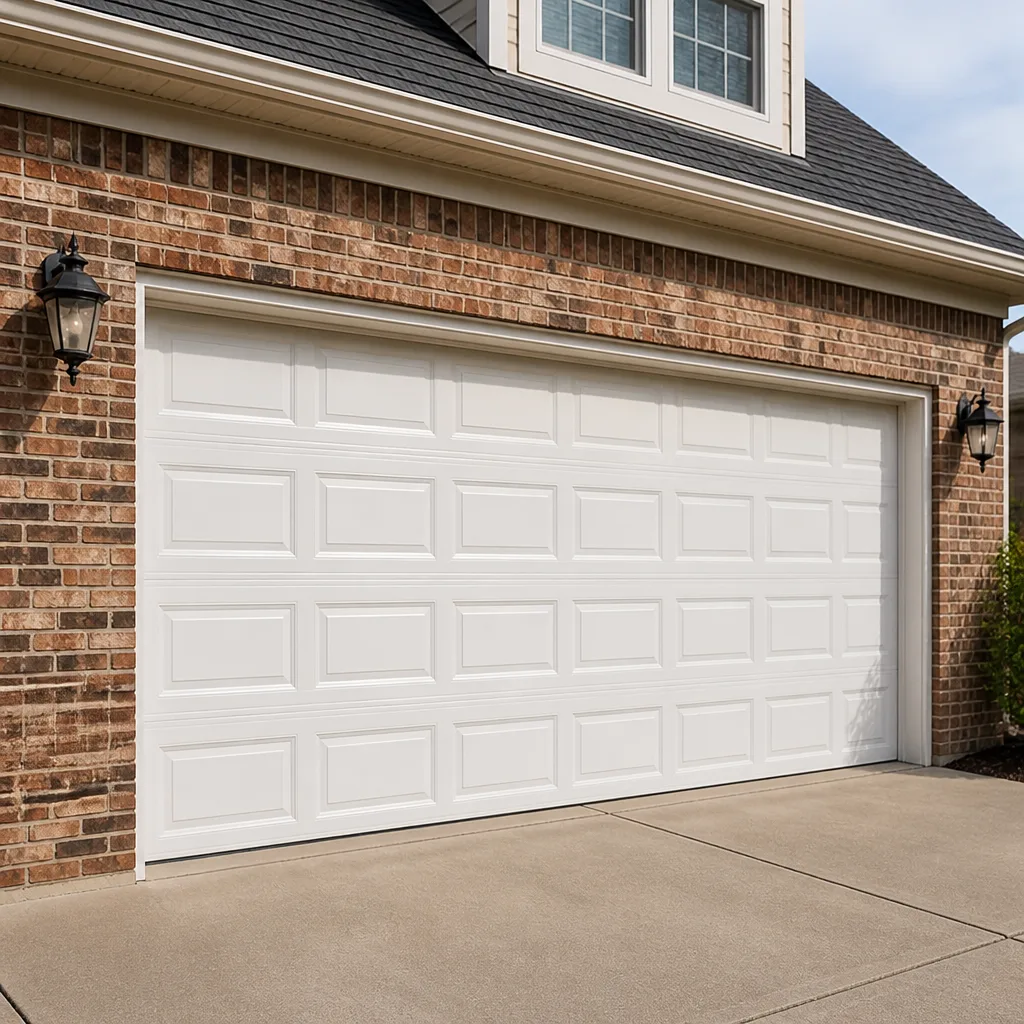 Raised-panel steel
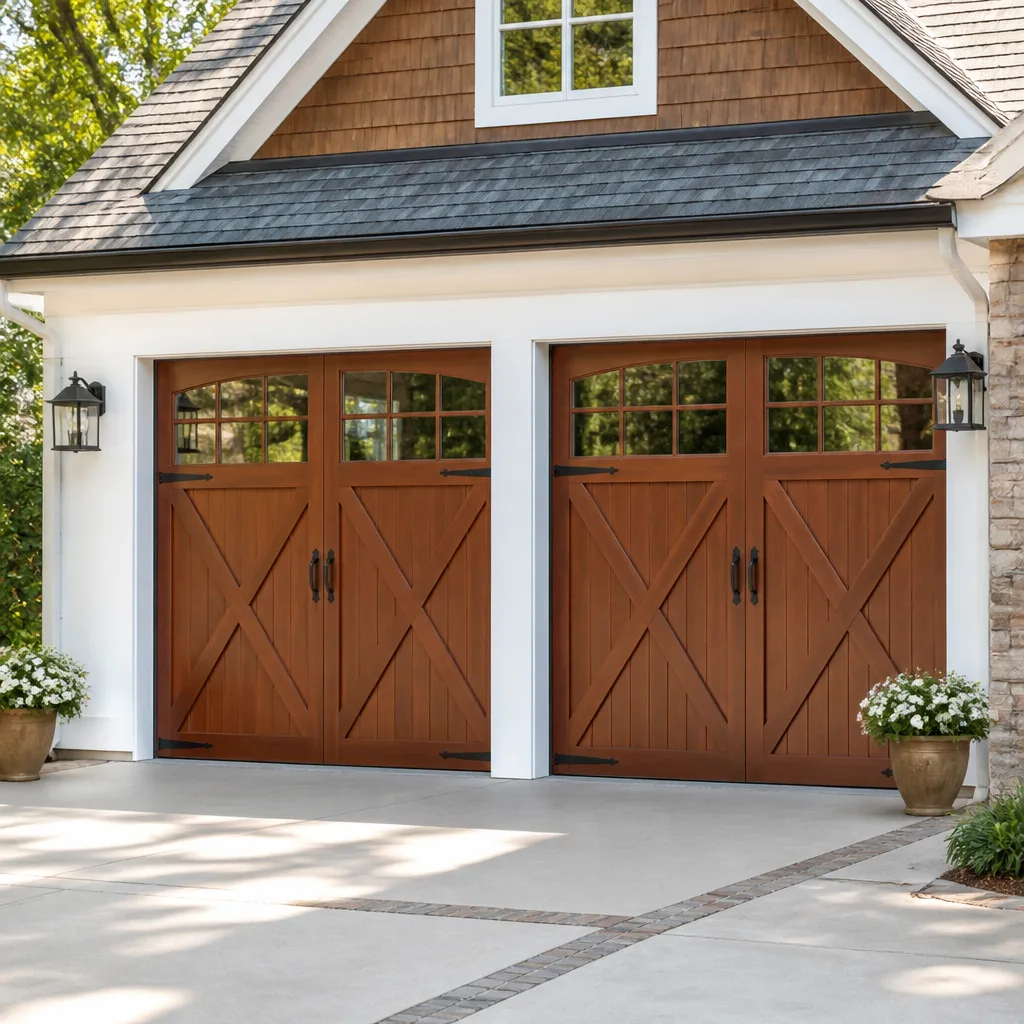 Carriage house
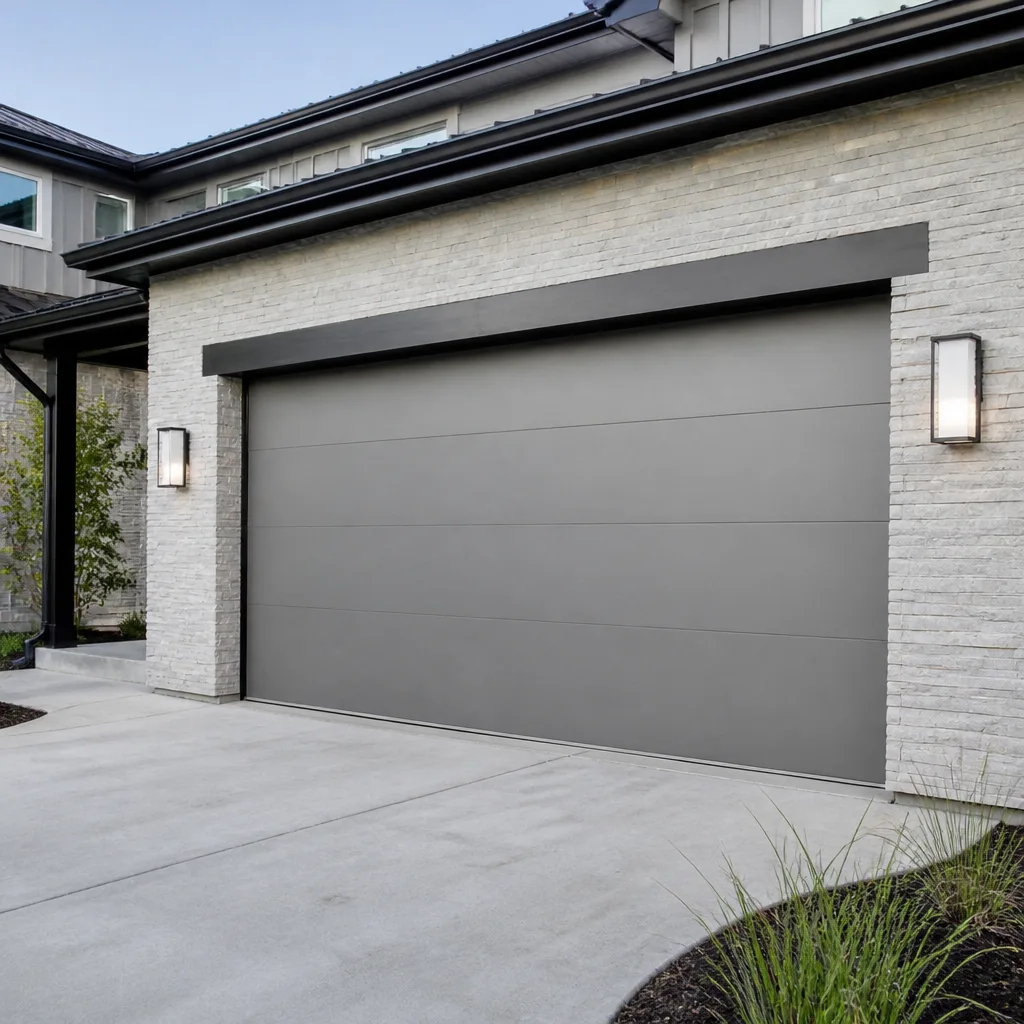 Modern flush
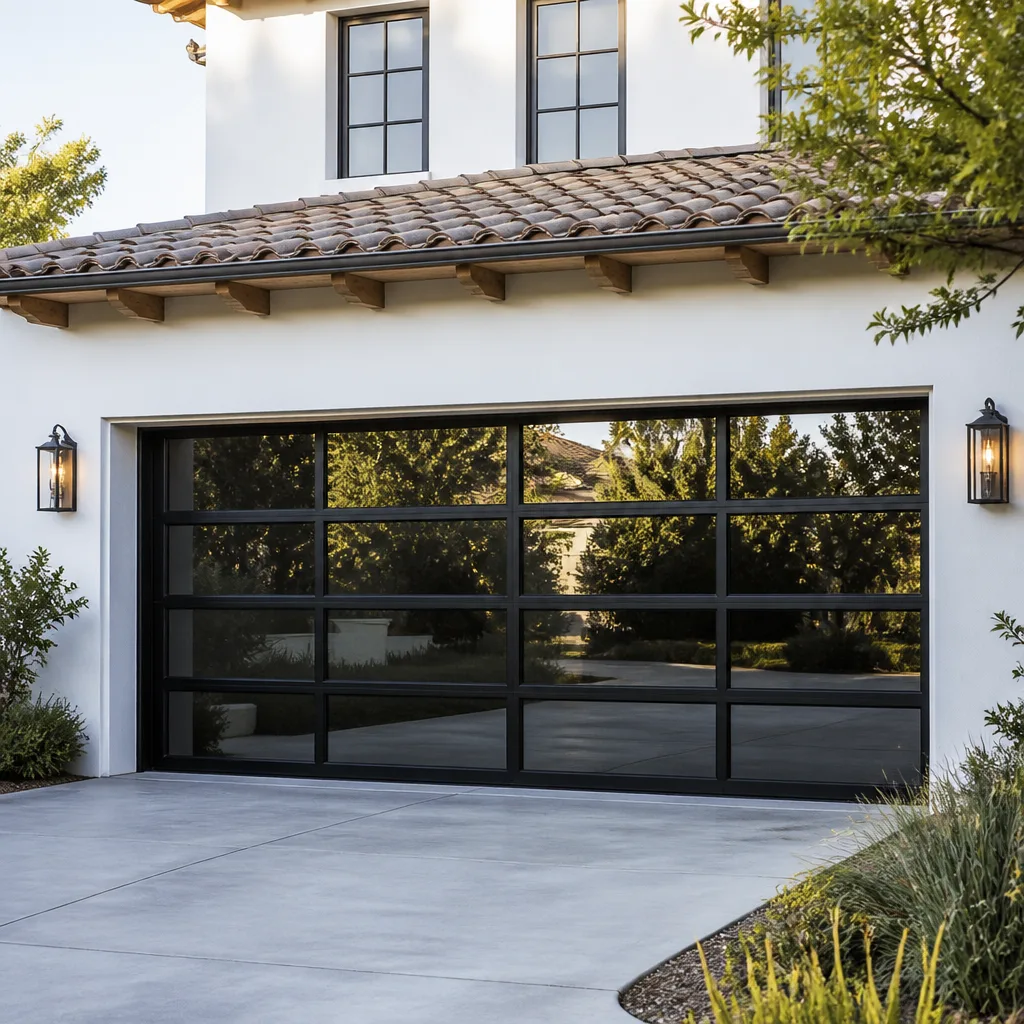 Full-view glass
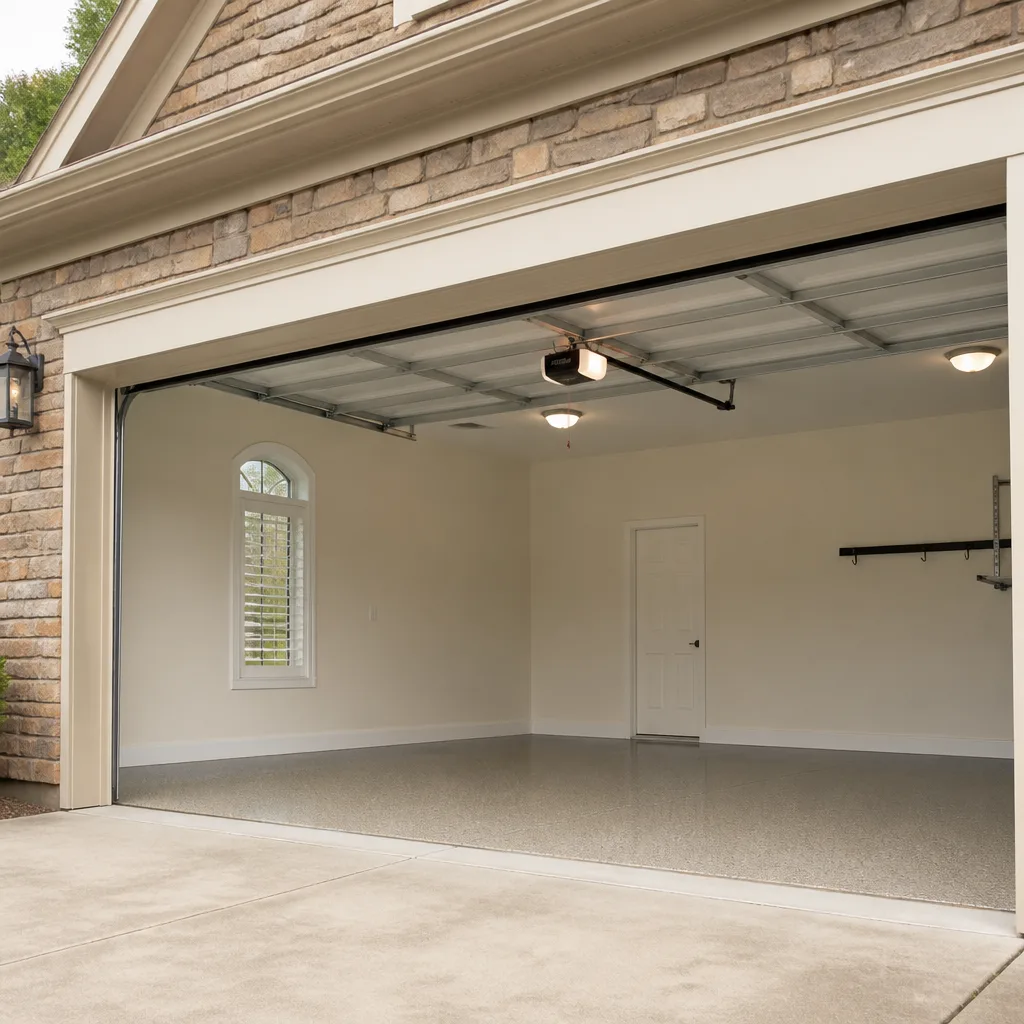 LiftMaster openers
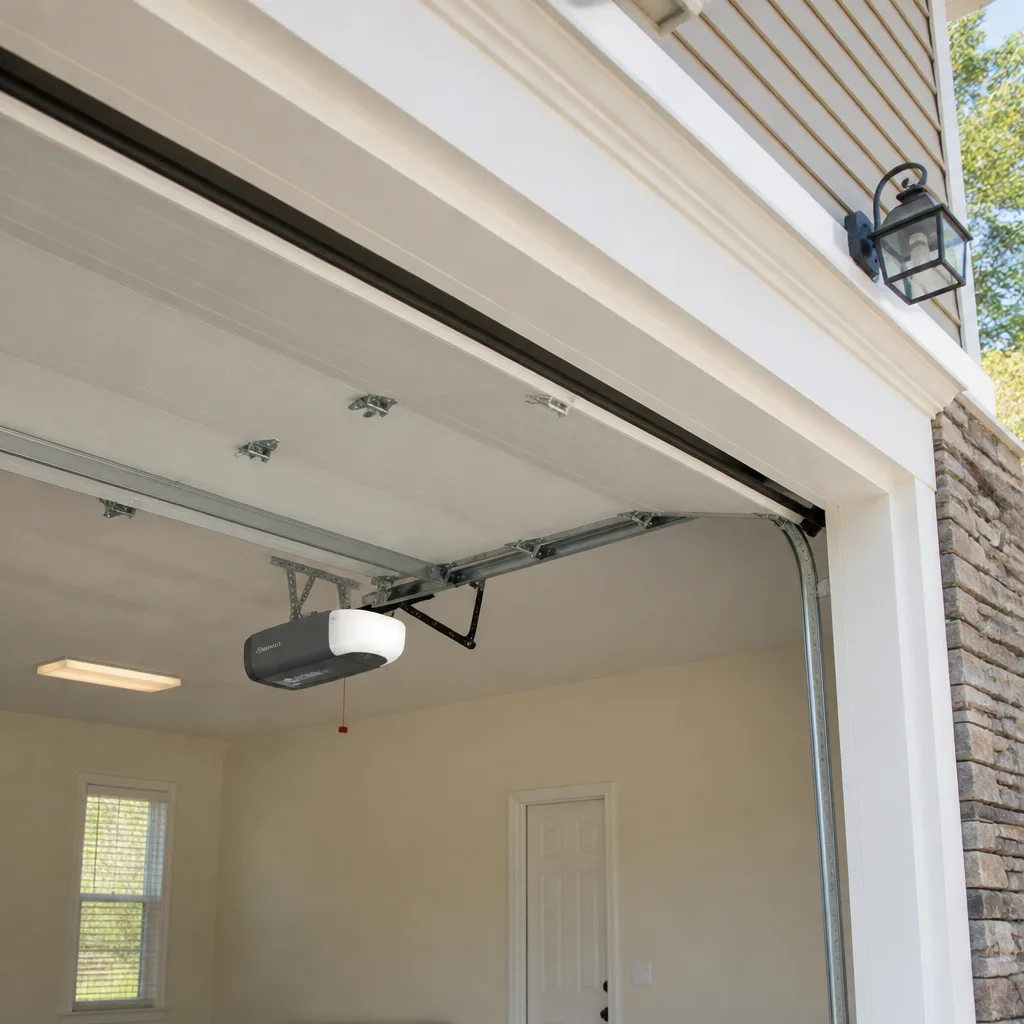 Chamberlain openers
Full 25-point door and opener safety check with every visit - springs, cables, rollers, tracks, and your LiftMaster or Chamberlain opener included
You get a price before we start. It does not change when the pro arrives.
Get your free estimateThe Complete Guide to Garage Doors in Centreville
Most garage door guides are written for a hypothetical homeowner in a hypothetical climate. Centreville isn’t hypothetical. Your door sits in a zip code where a January week can swing forty degrees, where half the subdivisions have an approved color list, and where the housing stock was built in a narrow window that shapes everything from door sizing to opener compatibility. Generic advice misses all of that. This guide maps the decisions you’ll actually face in Centreville: choosing a door that clears HOA review, understanding how Northern Virginia’s freeze-thaw cycles treat torsion springs, reading your existing setup to know whether repair or replacement makes more sense, and what to do when the door won’t close and you need help today.
Quick Answer
Garage door work in Centreville falls into four buckets: repair, spring replacement, opener work, and full door installation. Most calls we get are for springs and openers, and most of those are solvable in a single visit. If your door is older than roughly fifteen to twenty years and the panels, tracks, and opener are all showing wear at once, replacement usually costs less over the next decade than piecemeal repair. HOA approval in most Centreville communities is manageable if you match style and color to the architectural review standards before you order.
Styles & brands we work with
- Raised-panel steel
- Carriage house
- Modern flush
- Full-view glass
- LiftMaster openers
- Chamberlain openers
Table of Contents
- How HOA Rules Shape Garage Door Choices in Centreville
- Why Centreville’s 1988-2005 Construction Era Matters for Your Door
- What Northern Virginia Freeze-Thaw Cycles Do to Your Springs
- Repair or Replace? How to Read Your Existing Door
- What a New Garage Door Installation Involves
- Openers and Smart Technology: What’s Worth Upgrading
- Emergency Scenarios: What to Do When the Door Won’t Move
- The Single-Page Decision Map
How HOA Rules Shape Garage Door Choices in Centreville
Nearly every subdivision built in Centreville after the late 1980s has an HOA with some form of architectural review. That matters because garage door replacement is one of the few exterior changes that’s visible from the street, and architectural review boards are specific about what they’ll approve. In communities like South Riding and Sully Station, the review process typically involves submitting the door’s style, material, color, and sometimes the manufacturer’s specification sheet before installation. Order the door first and you may end up with a door the board won’t approve.
What boards actually look for comes down to a few things:
- Style consistency. If the street is dominated by raised-panel steel doors, a carriage-house style with decorative hardware may get flagged. Matching the neighborhood’s look is safer than standing out.
- Color approval. Many Centreville HOAs maintain an approved color list for doors and trim. Alabaster, almond, sandstone, and certain browns and blacks tend to be common; custom colors usually need explicit sign-off.
- Material requirements. Some communities restrict wood doors because of maintenance concerns, while others require the door to match the home’s existing trim material.
- Window options. Window panels in the top section are usually fine, but the count and configuration can be regulated.
Here’s the practical sequence: get the HOA approval before you order, not after. A written approval usually takes a couple of weeks and requires a spec sheet from the manufacturer, which we can supply as part of a replacement quote. If your board has an annual architectural review deadline, build that into your timeline before you commit to a delivery date. Skipping this step is the single most common replacement mistake we see in Centreville subdivisions.
Which Style Works Best for Centreville Homes?
The dominant look across Centreville’s subdivisions is a traditional raised-panel steel door in a neutral color, often with a row of windows across the top section. That style clears HOA review in most communities without back-and-forth. Carriage-house and modern flush styles are increasingly common in newer construction, but they’re more likely to need approval. If you want a specific look, the smart play is to check your HOA’s design guidelines first and let the door choice follow the rules rather than the other way around.
Why Centreville’s 1988-2005 Construction Era Matters for Your Door
A large share of Centreville’s housing stock went up between the late 1980s and the mid-2000s. That era matters because the garage doors and openers installed during those decades share characteristics that affect repair and replacement today. Knowing the era your home was built in helps you plan ahead instead of getting surprised.
What that means in practice:
- Standard sizing. Doors from this era are almost always 7 feet tall and either 8, 9, or 16 feet wide. That’s good news for replacement: standard sizes mean less custom fabrication and faster turnaround.
- Opener compatibility. Openers from the 1990s and early 2000s often lack modern safety reversing sensors or use proprietary remotes. If yours is a Craftsman or Genie unit from that era, a replacement opener will usually require new sensors and wiring, which is part of the quote.
- Spring type. Many doors built in this window use torsion springs above the door rather than extension springs on the sides. Torsion setups are generally safer and easier to balance, but they’re also what we handle most often on garage door spring repair calls because the springs carry the full weight of the door.
- Hardware aging together. When rollers, hinges, cables, and springs are all the same age, they tend to fail around the same time. Replacing one part while ignoring the rest is a short-term fix.
If your Centreville home was built in 1995, the door on it may be the original. That’s not automatically a problem, but it does mean the whole assembly is approaching or past the point where replacement often makes more economic sense than another round of repairs. A replacement is also the moment to check whether a Wayne Dalton or Raynor door in a modern profile would fit your opening and your HOA guidelines.
What Northern Virginia Freeze-Thaw Cycles Do to Your Springs
Northern Virginia winters aren’t the coldest in the country, but they’re among the most punishing on garage door springs because of how often temperatures cross the freezing line. A single January can bring highs near 50 and lows in the teens within a week. Every one of those swings makes the steel in your springs expand and contract, and every cycle uses up part of the spring’s rated lifespan.
The result is that springs in Centreville tend to fail earlier than the national average expectation. The American garage door industry rates torsion springs by cycle count, and a spring rated for 10,000 cycles on a door used twice daily will last roughly seven to ten years in a mild climate. In Centreville, with the winter swings we see, that timeline often compresses. It’s not unusual for a spring to break between year seven and year ten, sometimes earlier if the door is heavy or the springs were undersized when installed.
Torsion versus extension springs behave differently in this climate:
- Torsion springs (mounted above the door on a shaft) carry the whole door weight and fail with a loud snap. The door usually stays shut or partially shut rather than falling.
- Extension springs (mounted on the sides) stretch and contract, and when one breaks the door can become unbalanced or jam. Extension springs on older doors sometimes lack safety cables, which is a real hazard.
Can You Tell When a Spring Is About to Fail?
Sometimes. Watch for a door that feels heavier than it used to, a slight hesitation when it starts to lift, visible gaps in the coils, or a door that hangs unevenly. Those are early warnings. But springs can also break without warning during a cold snap. This is why we tell Centreville homeowners to have the springs inspected during any other service visit; catching a spring that’s near the end of its life is far cheaper than dealing with a broken one in the morning.
Springs are also the most dangerous garage door component to work on. A wound torsion spring stores enough energy to cause serious injury, and the correct procedure involves specific tools and training. We handle springs so you don’t have to, and we recommend against any DIY attempt on this part of the system.
Repair or Replace? How to Read Your Existing Door
The repair-versus-replace decision comes up on nearly every call we get in Centreville. The short answer: repair when the door’s structure is sound and one or two components are failing; replace when the door’s panels, tracks, and hardware are all wearing at once, or when it’s more than twenty years old and calling for repairs on a regular basis. Here’s how to read what you have before you call.
- Check the panels. Look for dents, rust at the bottom edge, cracks along the hinges, or visible sagging. One damaged panel can often be replaced. Three or more usually means the door’s structural life is near its end.
- Check the tracks. Tracks should be straight and parallel. Bends, dents, or gaps between the track and the door frame are usually a sign the door has been hit or has been out of adjustment for a while. A single dented section can sometimes be straightened, but a bent track often signals a bigger problem.
- Check the balance. Disconnect the opener and lift the door by hand to halfway. A balanced door stays there. If it drops or rises, the springs need attention and the door may need adjustment.
- Check the opener age. Openers from the 1990s and early 2000s are usually tired. If your opener is a LiftMaster or Chamberlain unit older than fifteen years, replacing it during a door replacement is often the smart move.
- Check the frequency of repairs. Two repairs in twelve months is fine. Three or more on a door older than fifteen years is usually a signal to replace.
A Quick Rule of Thumb
If a repair costs more than about 30 to 40 percent of what a new door would cost and the door is already past fifteen years old, replacement usually wins on total cost over the next decade. That rule isn’t perfect, but it tends to hold for Centreville homes built in the 1990s and early 2000s, where the original doors are now in their late twenties or early thirties.
What a New Garage Door Installation Involves
Installation is not an emergency service. It’s measured, ordered, scheduled, and finished on the agreed day. That’s a feature, not a limitation: a door delivered and installed correctly the first time beats a fast job that needs a return visit. Here’s how a typical installation in Centreville runs, start to finish.
- Measure and confirm. We measure the opening, check the headroom above the door, verify the wall conditions, and confirm the door size and track configuration.
- HOA and spec review. If your community requires architectural approval, we supply the manufacturer’s spec sheet for the review, and installation is scheduled after approval is confirmed.
- Order the door. Lead times vary by manufacturer and style, and custom colors or specialty windows add time. A standard steel door in a common color typically arrives faster than a carriage-house door with decorative hardware.
- Remove the old door and hardware. Old panels, tracks, springs, and the opener come down. Springs come off first and with the correct tools; the door is under tension until they’re released safely.
- Install tracks, springs, and panels. New tracks are leveled, the spring system is installed and tensioned to match the door weight, and panels are hung and aligned.
- Install or reconnect the opener. New openers get safety sensors and wired or wireless remotes as specified. Existing openers are reconnected if compatible.
- Test and walk through. Balance, safety reversal, travel limits, and remote functions are all tested before we leave. You get a walkthrough of the new door and the opener.
For most Centreville installations, the full job takes a single day once the door has arrived. The lead time before that day is the variable. For related detail on what that work looks like in the surrounding area, see our page on garage door repair.
Openers and Smart Technology: What’s Worth Upgrading
Openers fail differently than doors. The motor itself is usually fine; what fails are the safety sensors, the travel limits, the gears, or the remote pairing. That means an opener call is often a small repair, not a replacement, and diagnosing the right problem before buying anything new is where brand familiarity matters. If your opener is a LiftMaster or Chamberlain unit from the last fifteen years, chances are good we can repair it rather than replace it.
What’s worth upgrading, and when:
- Safety sensors. If your opener lacks them, adding them is not optional in practice: they protect anyone walking through the door’s path. Replacement openers ship with them.
- Battery backup. If you’ve ever been stuck with a door that won’t open during a power outage, a battery-backup opener solves that permanently. Worth knowing: many newer models include this feature as standard.
- Wi-Fi and app control. Useful if you want to check whether the door is closed when you’re away from home, or open it for a family member while you’re out. If you don’t use apps for anything else, it’s a convenience more than a need.
- Quiet belt drive. A belt-drive opener is noticeably quieter than a chain drive, which matters if there’s a bedroom above the garage. Many Centreville homes built in the 1990s have this layout.
For a failing opener or a remote that won’t pair, see our page on garage door opener repair. We service openers from LiftMaster, Chamberlain, Genie, and Craftsman, and if you’re not sure what you have, the model number is usually on a label inside the opener housing.
Can You Upgrade the Opener Without Replacing the Door?
Yes, in most cases. The opener drives the door rather than the door driving the opener, so as long as the door is balanced and the springs are healthy, a new opener can go on an older door. The exception is a door that’s out of balance or has weakened springs; putting a new opener on a door that needs spring work will accelerate wear on both. We check the balance before recommending an opener swap.
Emergency Scenarios: What to Do When the Door Won’t Move
A garage door that won’t close, or won’t open, jumps to the front of the priority list because it affects whether your home is secure and whether your car gets out in the morning. The good news is that most of these situations have a clear cause and a clear solution. Here’s what to do before calling, and what will happen when you do.
If the door won’t close:
- Check the safety sensors at the bottom of the tracks. If the small lights aren’t solid, the sensors are misaligned or blocked, and the door is designed to stay open for safety.
- Check for anything in the door’s path, including a small object that a sensor is reading as an obstruction.
- Try the wall switch (not the remote) to rule out a dead remote battery.
- If the door closes partway and reverses, the travel limit or the sensors are the likely cause.
If the door won’t open:
- Pull the manual release cord (usually red, hanging from the opener rail) to disconnect the door from the opener. If the door lifts easily by hand, the opener is the problem. If it feels heavy or stuck, the door’s springs or tracks are the problem.
- Try the wall switch to rule out a remote or keypad issue.
- Check whether the power to the opener has been interrupted.
If the door is stuck open, cannot be closed, or the door is a security concern, that’s an emergency call. We answer 24/7, and fast dispatch runs from 7am to 7pm, Sunday through Friday. A call outside those hours is booked into the next opening, Sunday through Friday, 7am to 7pm. And on any spring-related call, do not attempt the repair yourself: the door carries the tension of a wound spring, and releasing it incorrectly can cause serious injury. We handle the springs so you don’t have to.
For a broader view of the repair services we run, see our page on Centreville Garage Door Repair.
Common Mistakes to Avoid
- Ordering a door before HOA approval. Architectural review boards in Centreville subdivisions can reject a door that doesn’t match the community’s design standards. Submit the spec sheet first, order after.
- Replacing one spring but not the other. Torsion springs are usually replaced as a matched pair because both wear at the same rate. Replacing one leaves the other ready to break within months.
- Ignoring the door’s balance. A door that lifts unevenly or feels heavy is telling you something is wrong with the springs. Waiting usually shortens the life of the opener and can lead to a full bypass.
- Putting a new opener on an unbalanced door. The opener drives the door; it doesn’t carry the weight. A new opener on a door with failing springs will burn out faster than the old one did.
- Skipping the annual inspection. A yearly check of springs, cables, rollers, hinges, and opener safety features catches problems while they’re still small. It’s the cheapest garage door maintenance there is.
- Assuming all doors are the same size. Centreville homes from the 1988-2005 era are mostly 7 feet tall, but not always. Measure before you order, and confirm the headroom above the door.
- Trusting generic online advice about “resetting” springs. Springs are not a DIY item. Incorrect handling of a wound torsion spring can cause serious injury, which is why we recommend a trained technician for any spring work.
See the difference
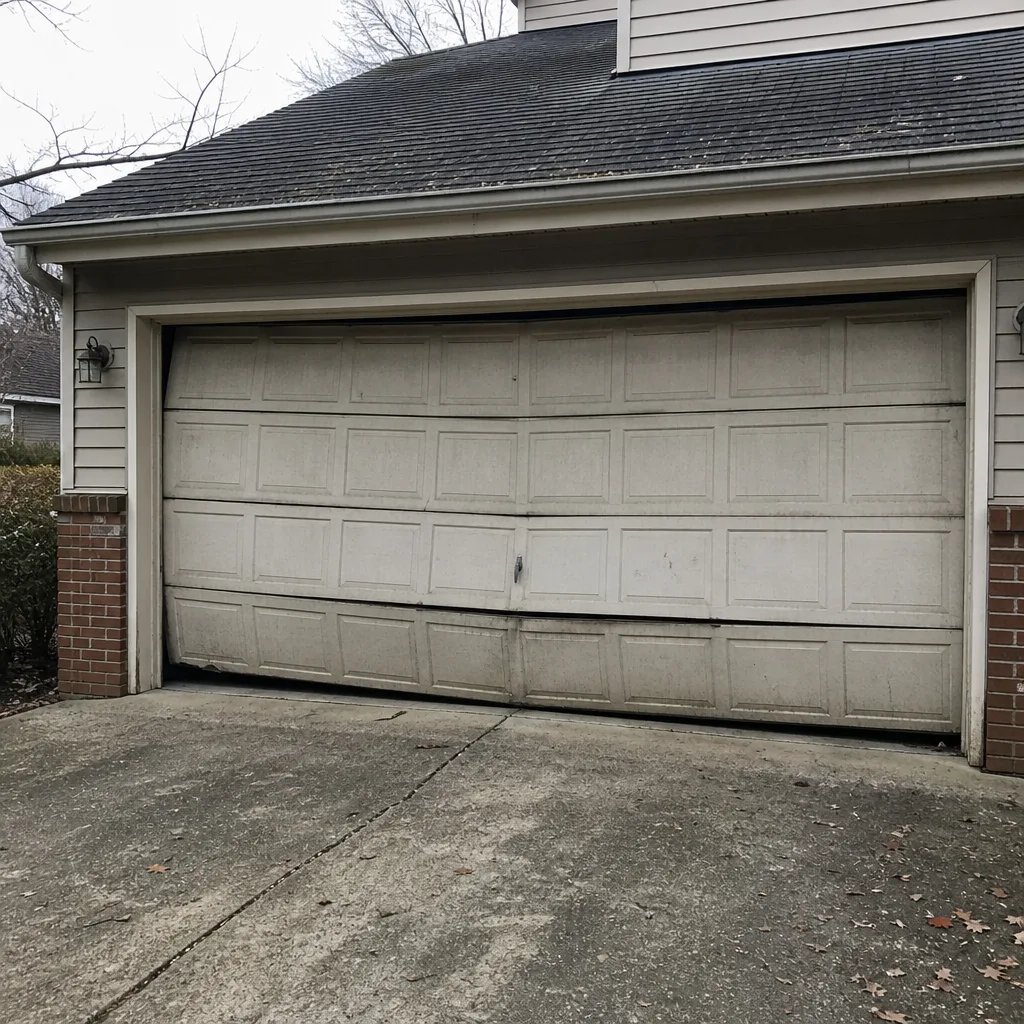 Before
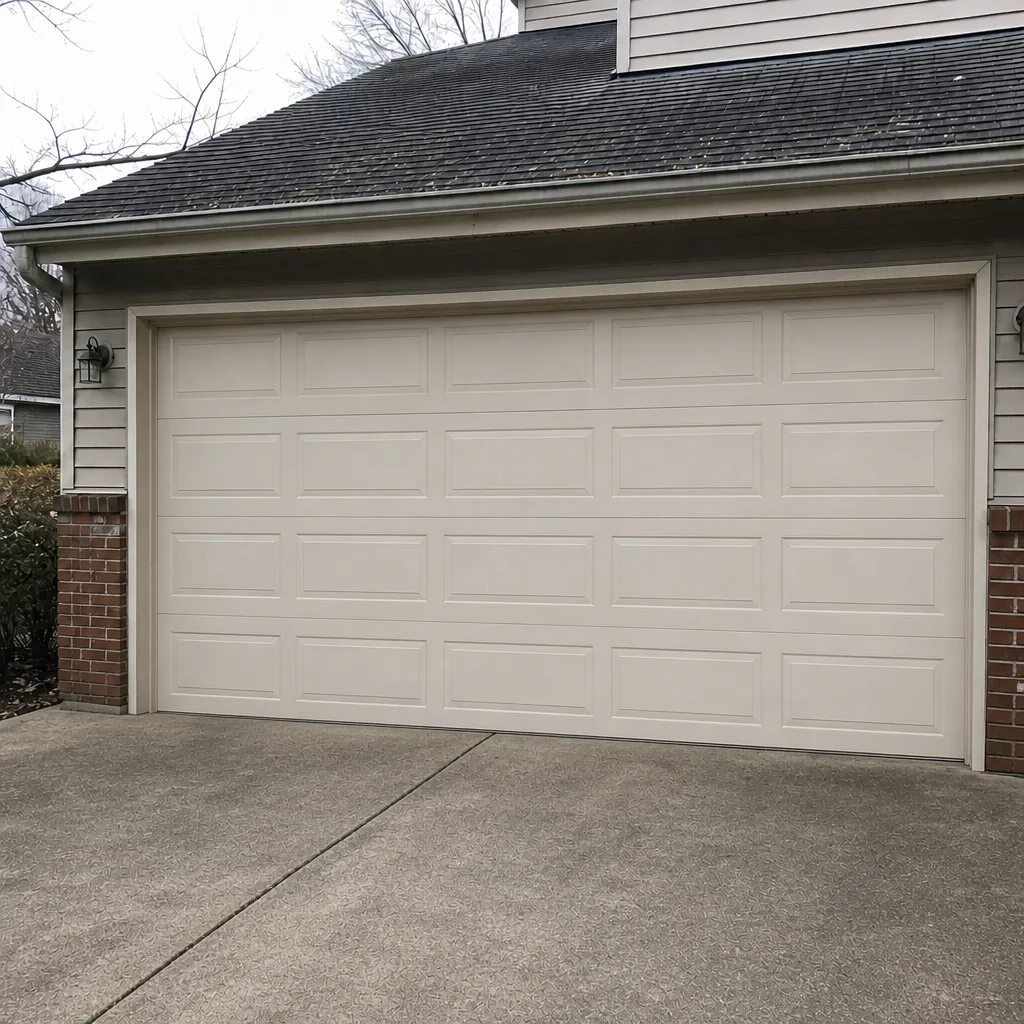 After
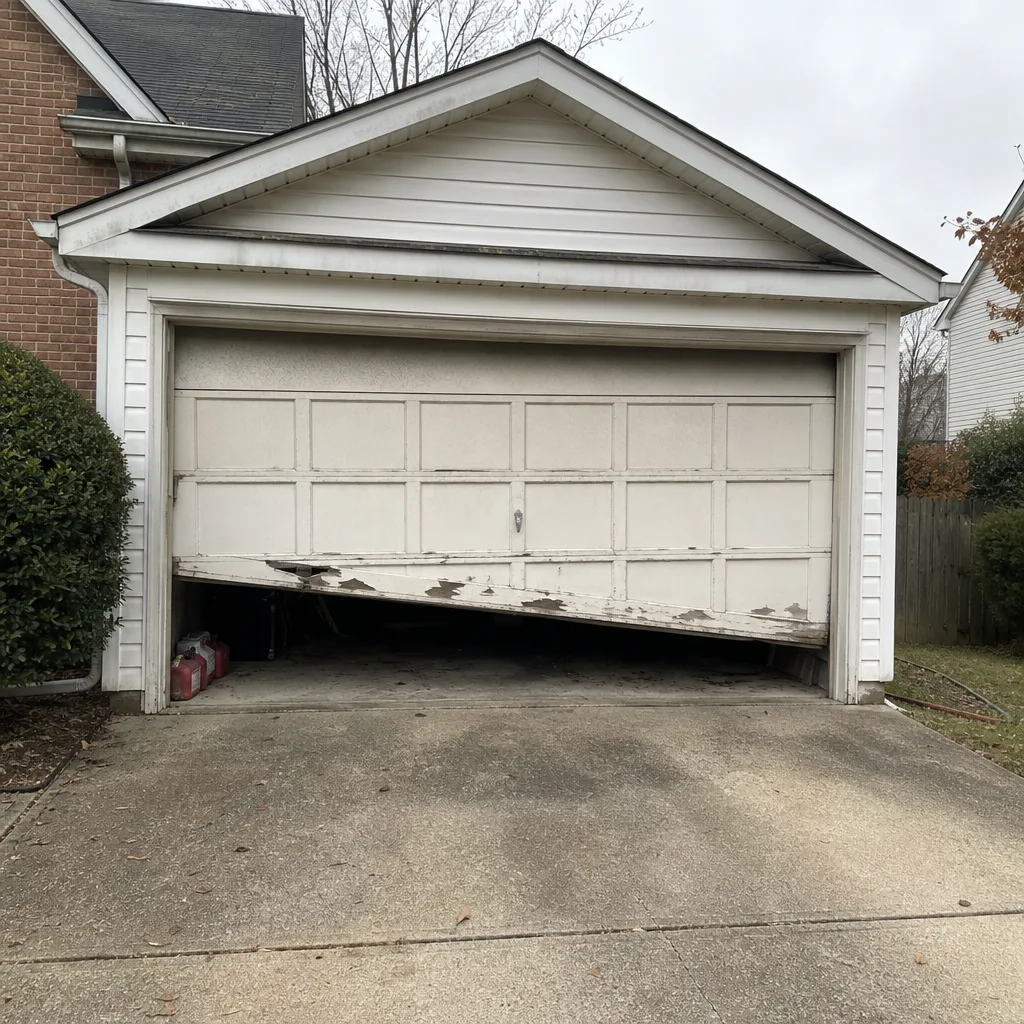 Before
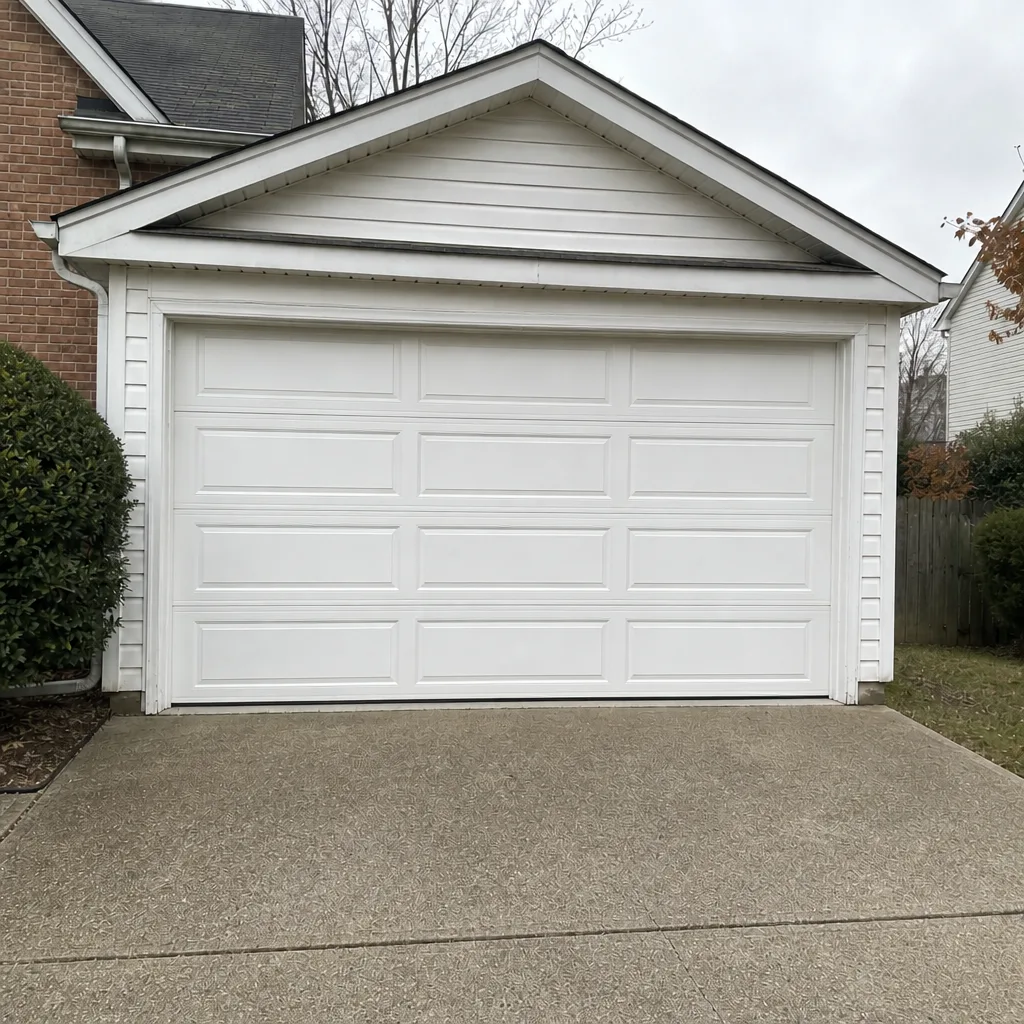 After
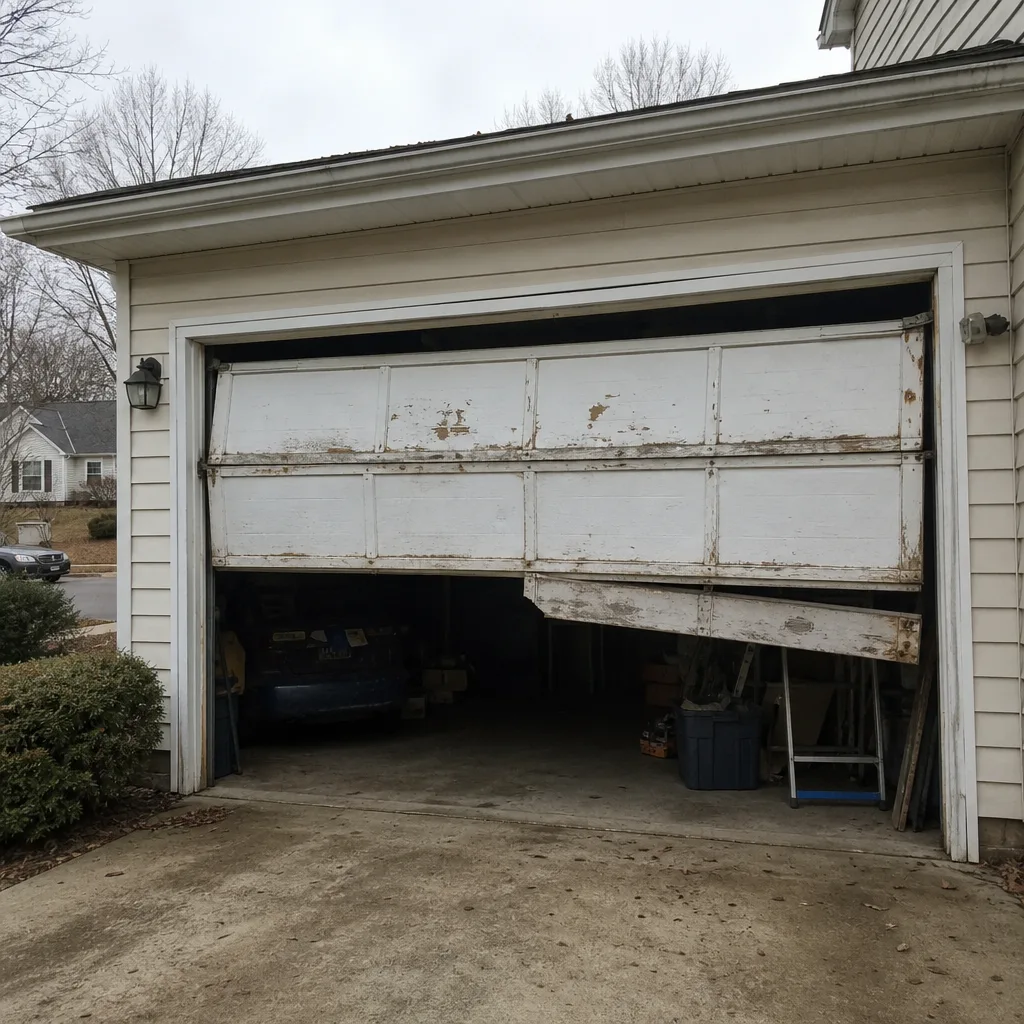 Before
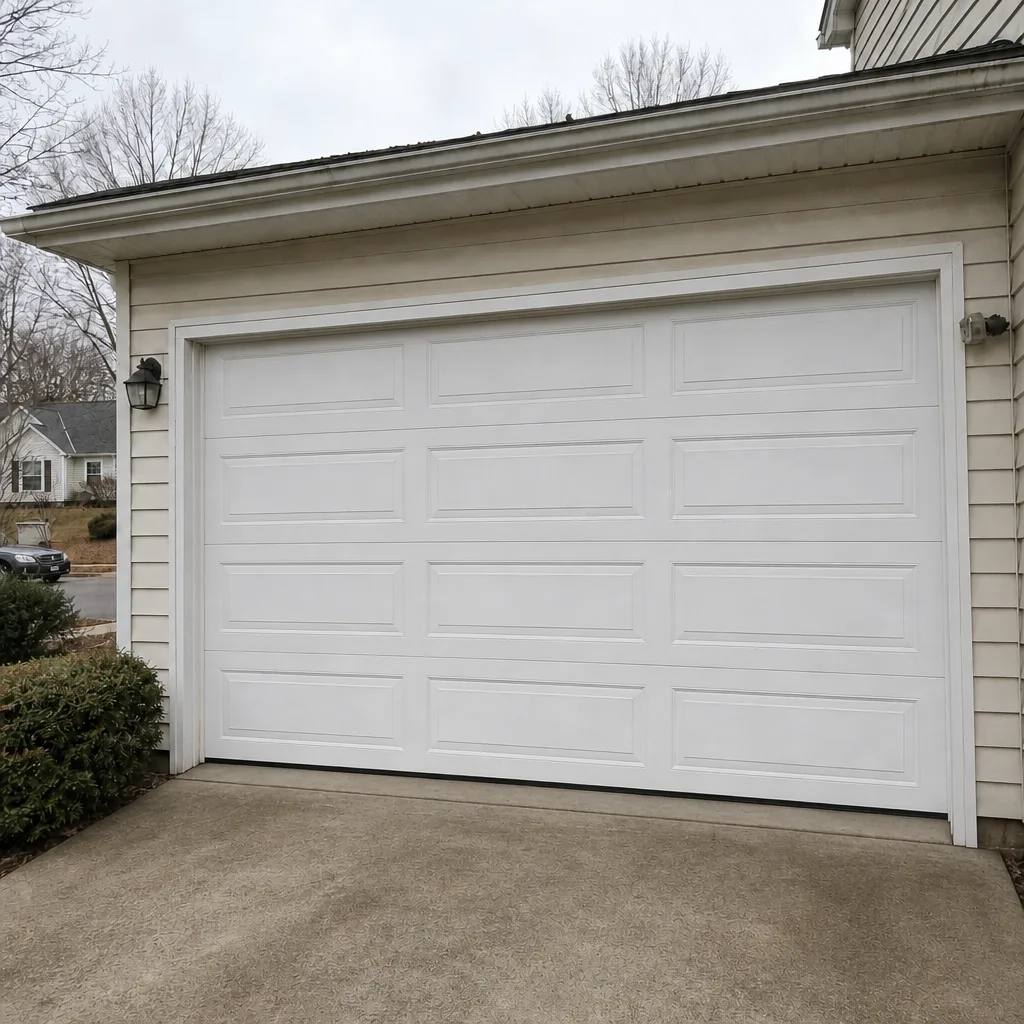 After
When to Call a Professional
Call when the door won’t open or close, when you hear a loud snap from the spring area, when the door lifts unevenly or feels much heavier than it used to, when the opener strains or reverses without a clear obstruction, or when the tracks are visibly bent. Also call when a repair has been done two or three times in the past year, when the door is approaching the end of its expected life and the whole assembly is worn, or when you’re considering a new door and want an accurate measure and a written price before you commit. Our technicians have up to 10 years of experience, and we service LiftMaster, Chamberlain, Genie, Clopay, Amarr, Wayne Dalton, Craftsman, and Raynor equipment. Centreville Garage Door Repair offers free estimates in Centreville. Call (877) 792-6396. We answer 24/7. Fast dispatch from 7am to 7pm, Sunday through Friday.
Frequently Asked Questions
Garage door repair in Centreville typically runs from about $150 to $450 for common fixes like cables, rollers, hinges, and sensor or opener adjustments. A broken torsion spring is usually the more expensive repair in that range because springs are sold and replaced as a matched pair. The written estimate sets the final price before any work begins, and the estimate is free. Call (877) 792-6396 for an exact quote.
If the door won’t close and your home is unsecured, that’s an emergency call and we prioritize it. We answer 24/7, and fast dispatch runs from 7am to 7pm, Sunday through Friday. A call outside those hours is booked into the next opening. Call (877) 792-6396 and we’ll confirm the next available arrival window and the written price before we start.
No. The written estimate is the price we agree to before work starts. If we find something additional once we’re on site, we stop, explain the new finding, and re-quote before doing anything else. You’re never billed above the written estimate without your approval. Call (877) 792-6396 for a free estimate.
The local pro we connect you with is licensed and insured as Virginia requires. Our technicians have up to 10 years of experience and are trained on the brands you actually own, including LiftMaster, Chamberlain, Genie, Clopay, Amarr, Wayne Dalton, Craftsman, and Raynor. Call (877) 792-6396 with your door or opener model number and we’ll match you to the right pro.
Most Centreville subdivisions with an HOA require architectural review approval before you replace a garage door. The review usually covers style, color, and material, and approval takes a couple of weeks. We supply the manufacturer’s spec sheet with your quote so you can submit it with the rest of your application. Submit first, order after; that order avoids a door that can’t be installed. Call (877) 792-6396 to start with a free measure.
Replace rather than repair when the door’s panels, tracks, and hardware are all wearing at once, when the door is more than twenty years old and calling for repairs on a regular basis, or when the repair cost approaches 30 to 40 percent of the cost of a new door on a door already past fifteen years. For a door from Centreville’s 1988-2005 construction era that’s still original, replacement is usually the smarter economic call over the next decade. Call (877) 792-6396 for a free estimate on either path.
The Single-Page Decision Map
Here’s the whole guide compressed into one decision path. Use it as a quick reference when you’re not sure which way to go.
- Door won’t move at all, or is stuck open: emergency call. Do not force it. Call (877) 792-6396. We answer 24/7.
- Door makes a loud snap and won’t lift: spring failure. Don’t attempt the repair yourself. Call for garage door spring repair.
- Door is slow, jerky, or reverses partway: openers, sensors, or travel limits. Call for garage door opener repair; diagnosis first, parts second.
- Door is dented, sagging, or more than twenty years old with multiple failing parts: replacement is usually the better economics. Call for a free measure and quote.
- Door is fine but the opener is tired: opener upgrade without a door replacement, assuming the springs are healthy. Call for an inspection first.
- You’re planning a new door: check HOA approval and the door’s spec sheet first, then order. Installation is scheduled, not same-day.
Every scenario above comes down to the same next step: a call and a free estimate. The written estimate sets the final price, and it’s agreed before any work starts. That’s how we keep a repair from becoming a surprise.
The Bottom Line
Garage doors in Centreville are shaped by three things most general guides miss: HOA design rules that affect every replacement, a housing stock built in a narrow window that shapes sizing and opener choices, and a climate where winter temperature swings put real stress on springs. Read your existing door honestly, submit HOA paperwork before you order, don’t skip spring inspections, and treat any snap or heaviness as a warning rather than a coincidence. If the door is more than twenty years old and calling for frequent repairs, replacement is usually the lower-cost path over the next decade. For any repair, spring, opener, installation, or emergency call, the fastest next step is a phone call and a free estimate.
Call Centreville Garage Door Repair at (877) 792-6396. We answer 24/7, and fast dispatch runs from 7am to 7pm, Sunday through Friday. We service LiftMaster, Chamberlain, Genie, Clopay, Amarr, Wayne Dalton, Craftsman, and Raynor equipment, and the price is quoted and agreed before any work starts.
Written by the team at Centreville Garage Door Repair.