
Last updated November 22, 2026
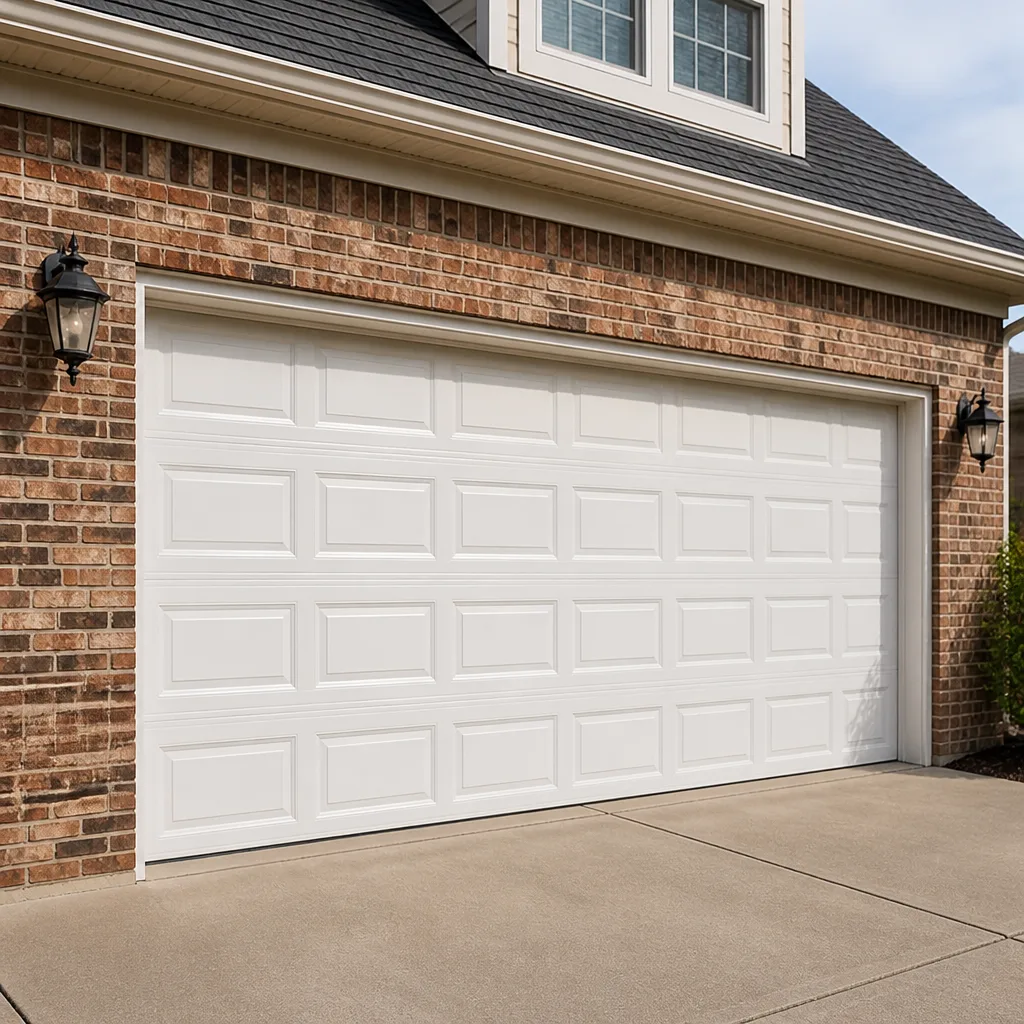 Raised-panel steel
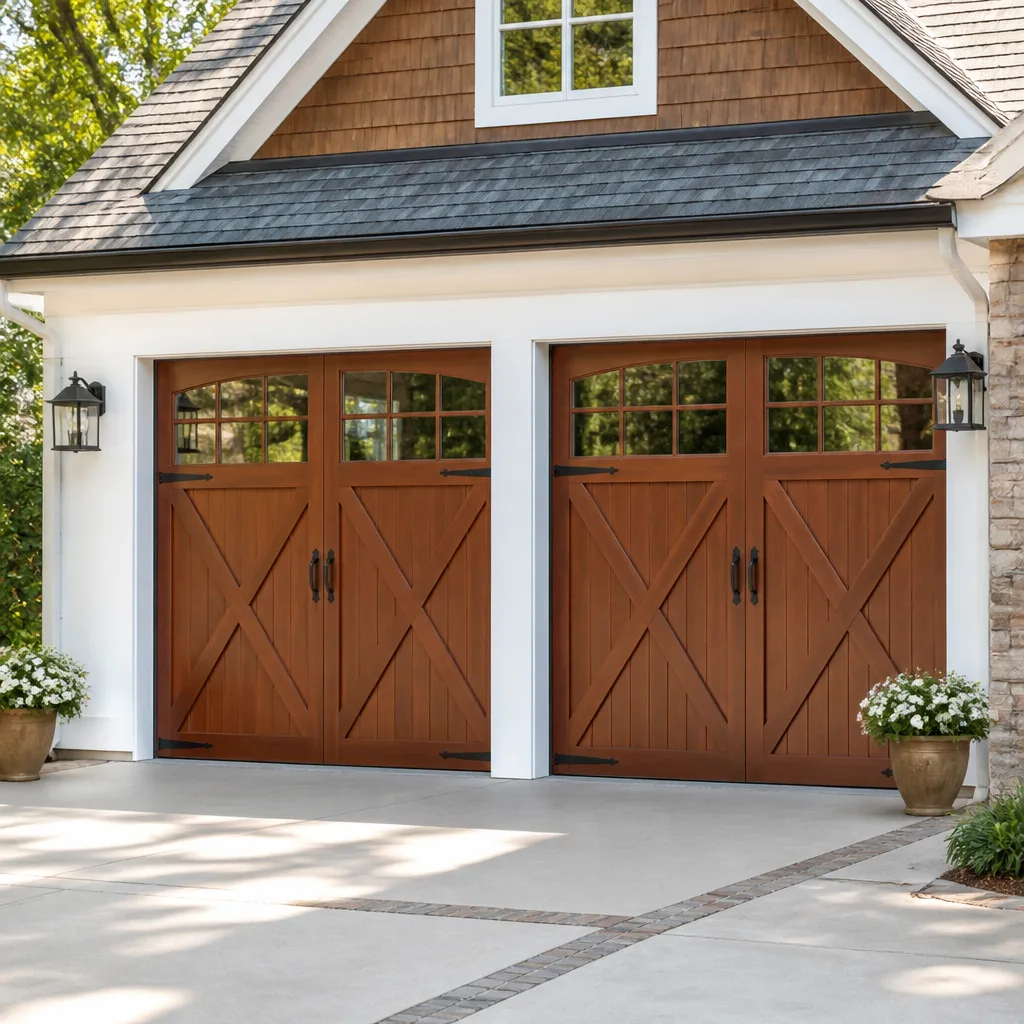 Carriage house
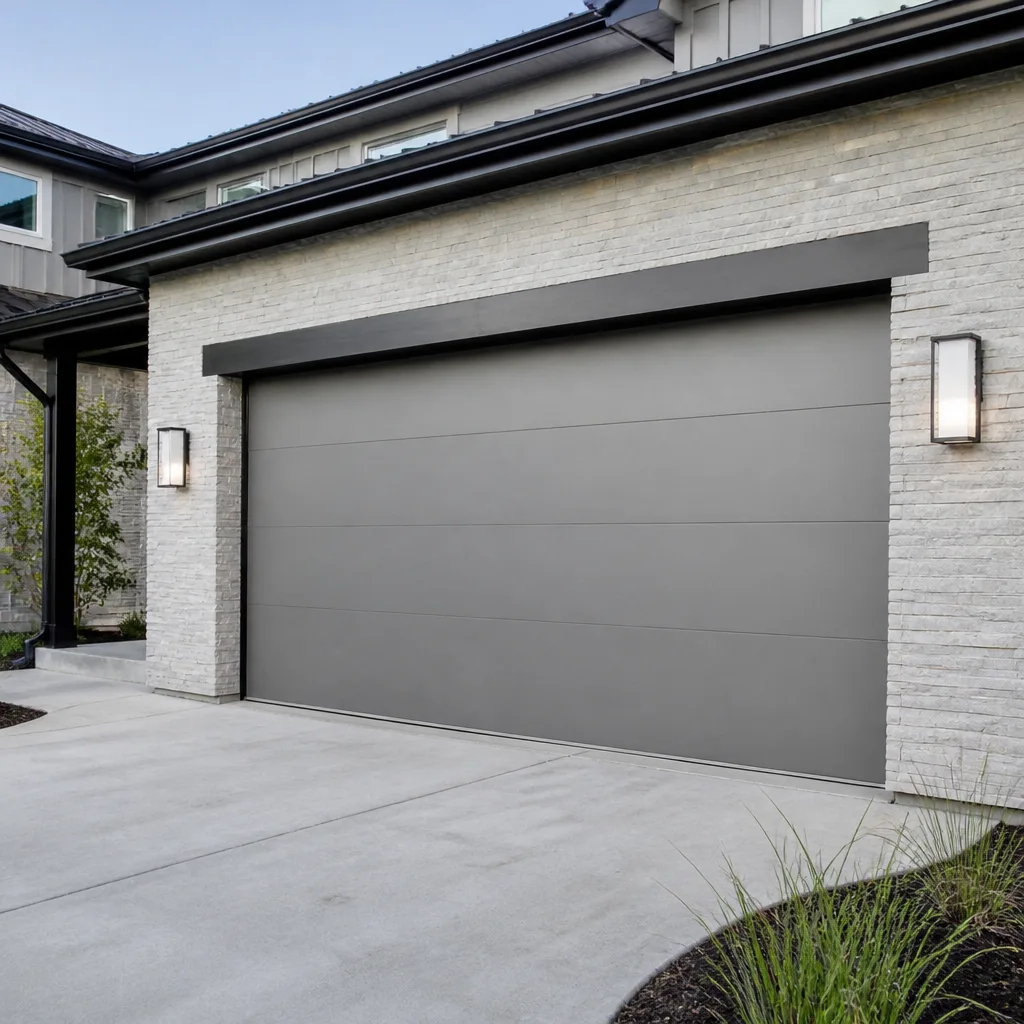 Modern flush
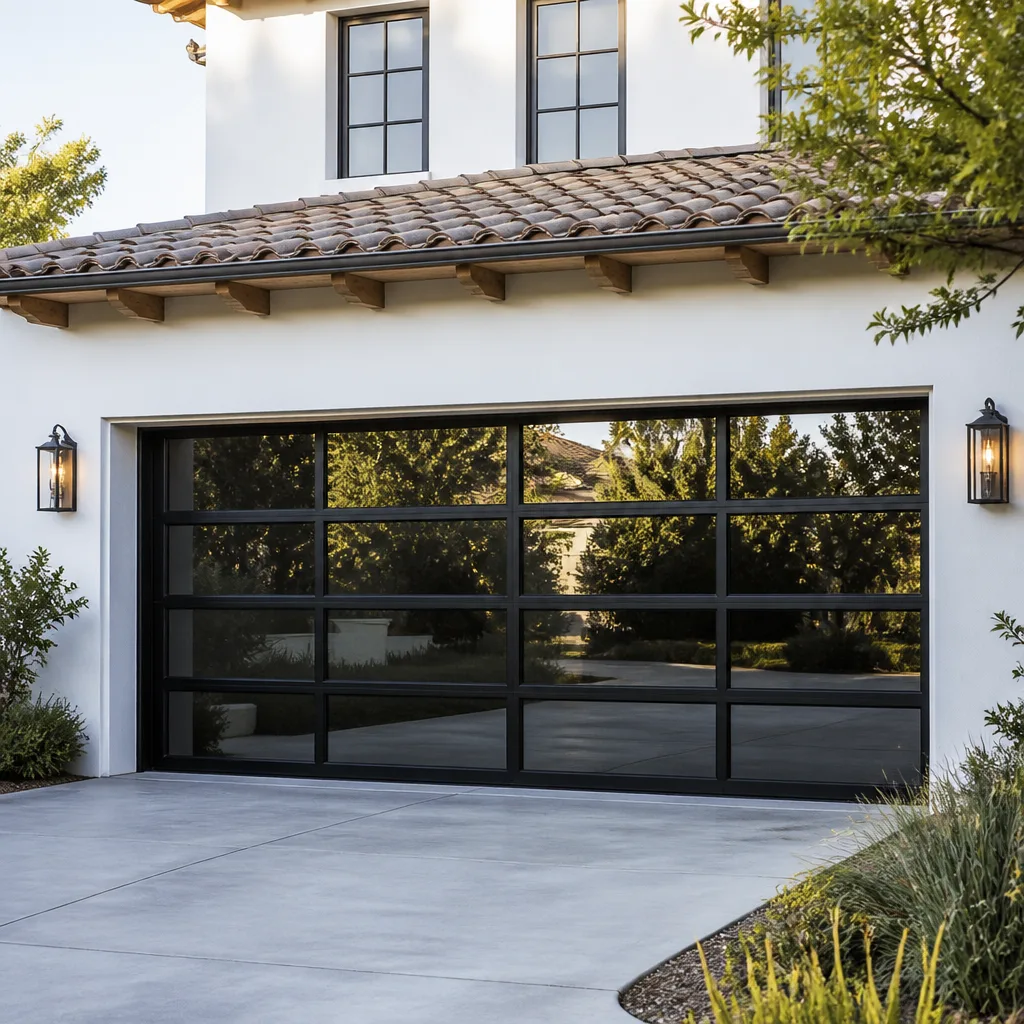 Full-view glass
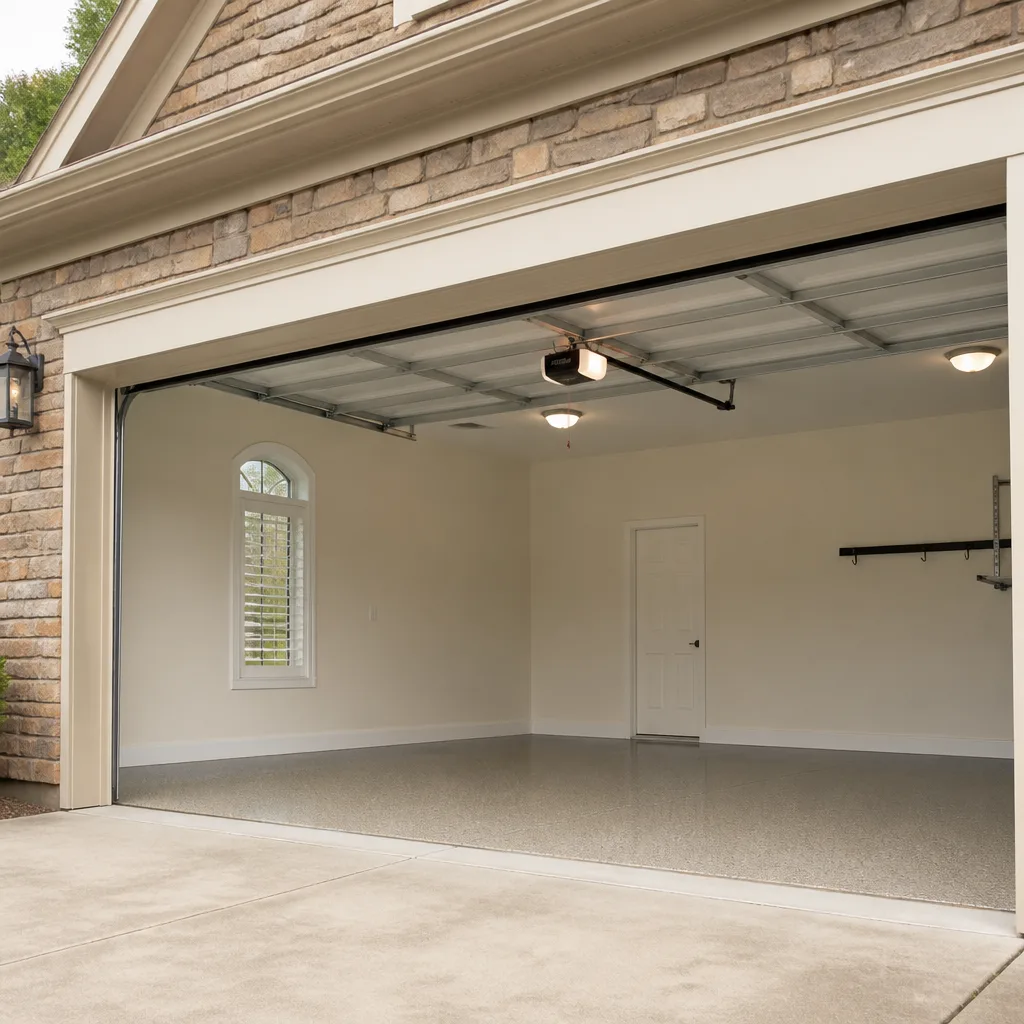 LiftMaster openers
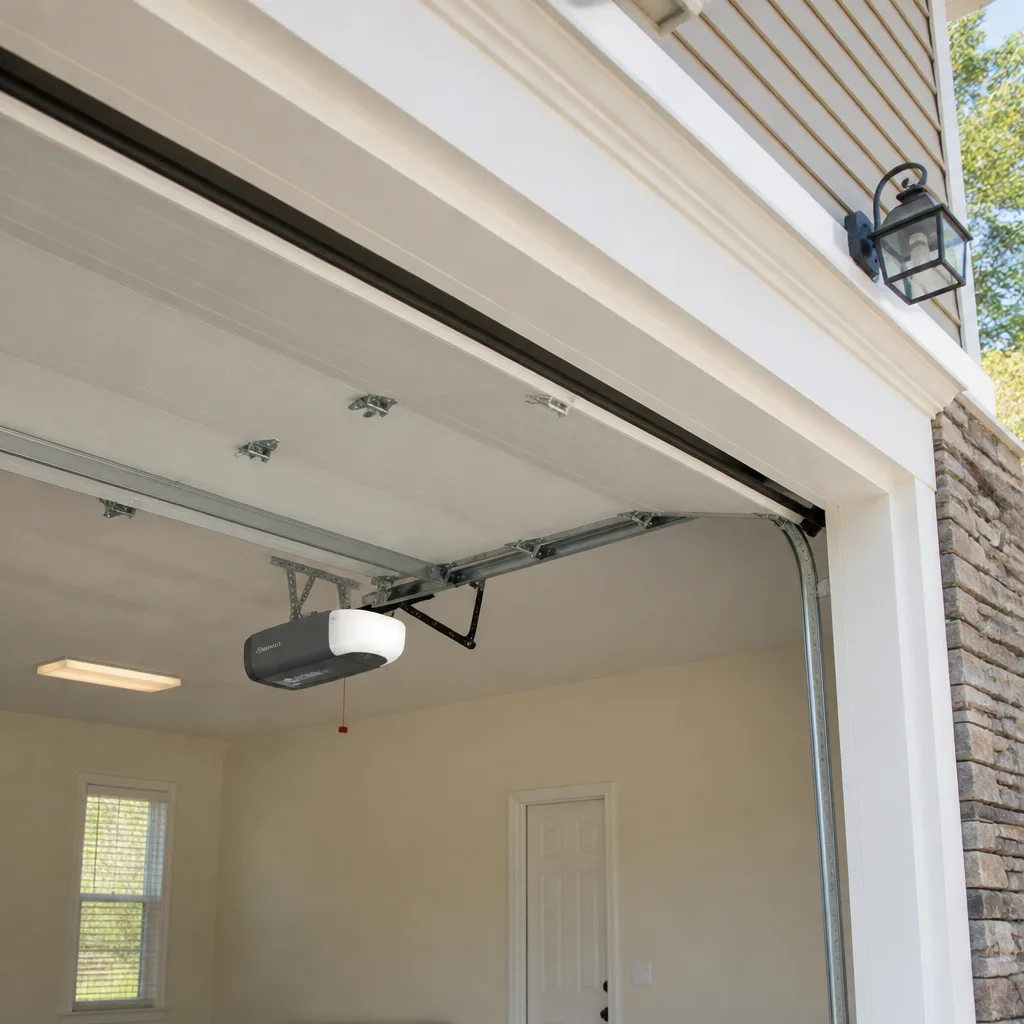 Chamberlain openers
Full 25-point door and opener safety check with every visit - springs, cables, rollers, tracks, and your LiftMaster or Chamberlain opener included
You get a price before we start. It does not change when the pro arrives.
Get your free estimateGarage Door Emergency Preparedness Guide for Centreville Homes
Most homeowners treat a broken garage door like a crisis. It feels like one when the door is stuck open and the house is exposed, or stuck shut with a car trapped inside. But nearly every garage door emergency follows one of a few predictable patterns, and once you know the pattern, the panic drops away. A snapped spring, a power outage, a door that refuses to close: each has a right response and several wrong ones. What almost nobody does is think about any of this until it happens at an inconvenient hour. This guide changes that. We’ll walk through the three situations Centreville homeowners call us about most, the safe way to handle each one, and the details to have ready before you pick up the phone.
Quick Answer
When a garage door fails in Centreville, the safest first move is almost always to stop operating it and secure it in place rather than force it. If the power is out, use the manual release cord to disconnect the opener and lift the door by hand. If a spring has snapped, leave the door down and don’t run the opener, because the spring is under dangerous tension. For anything involving broken springs, frayed cables or a door that won’t stay put, call a trained technician.
Styles & brands we work with
- Raised-panel steel
- Carriage house
- Modern flush
- Full-view glass
- LiftMaster openers
- Chamberlain openers
Table of Contents
- Know Your Door Before Something Goes Wrong
- Power Outage: How to Open Your Garage Door Manually
- When a Spring Snaps: What to Do in the First Five Minutes
- The Door That Won’t Close at Night
- When a Call Is Worth It and When You Can Wait
- The Five Minutes of Prep That Saves an Hour of Stress
- Centreville Neighborhood Notes
Know Your Door Before Something Goes Wrong
The single most useful thing a Centreville homeowner can do is learn what their garage door and opener actually are. It sounds basic, and it is, but it’s also the thing almost everyone skips. When a technician can identify the brand and model from your description, they arrive with the right parts and the right approach instead of guessing. That’s the difference between a one-visit fix and a return trip.
We work on equipment from LiftMaster, Chamberlain, Genie, Raynor and several other major brands, so the name on your opener usually tells us a lot about the hardware behind it. An opener and a door are separate systems, and both have their own labels. Here’s where to look:
- The opener unit is the motor hanging from your ceiling. The brand is usually printed on the housing, and the model number is often on a sticker on the back or side of the unit.
- The door itself may have a manufacturer’s label on an interior panel or near the bottom edge. Doors and openers are frequently made by different companies.
- The wall button and remotes can also carry a brand name, which is useful when the opener label is faded.
Take a photo of each label with your phone and keep it somewhere you’ll find it later. That photo is worth more than any amount of description over the phone. It’s also the foundation of a proper Centreville Garage Door Repair diagnosis, because knowing the equipment up front means no guesswork and no trial-and-error parts swapping.
While you’re at it, note the spring type. Torsion springs run horizontally above the door on a metal shaft. Extension springs run along the sides. This matters because torsion spring work is genuinely hazardous and needs a specialist, while extension springs fail differently. If you’re unsure, a photo of the whole door assembly from inside the garage answers the question.
Power Outage: How to Open Your Garage Door Manually
This is the emergency most people worry about, and it’s the one you can prepare for in about 90 seconds. Every automatic opener has a manual release that disconnects the door from the motor so you can lift it by hand. The trouble is that most homeowners discover it for the first time in the dark, with the car inside and somewhere to be.
The manual release is usually a red T-handle hanging from a cord attached to the opener’s rail. Pulling it disconnects the trolley from the door arm, which means the door is now on its own. Here’s what that red cord does: it lets the door be moved by hand. Here’s what it doesn’t do: it doesn’t unlock anything, it doesn’t send power to the door, and it doesn’t help if the door’s springs are broken or the door is otherwise jammed. It only separates the door from the motor.
Here’s the safe sequence in a power outage:
- Don’t pull the cord if the door is open with a vehicle underneath. A disconnected door is heavy and can drop. Have someone hold the door steady or lower it fully first.
- Make sure the door is fully closed and balanced. A healthy door stays put when you let go at the halfway point. If it slams down or won’t hold, stop; that’s a spring problem, not a power problem.
- Pull the red release handle straight down. You’ll hear the trolley click free.
- Lift the door slowly by hand. A properly balanced door should lift with steady effort. If it’s very heavy or fights you, stop and call us.
- Prop or hold the door while you move the car. Never leave a disconnected door open and unattended overnight; it’s a security gap and a hazard.
When power comes back, you’ll need to re-engage the opener. Pulling the cord again, then running the opener, usually does it. If your model needs a different step, check the manual, or ask us when you call. If the door won’t reopen even after the power returns, that, too, is worth a call to garage door opener repair. We answer 24/7, and fast dispatch runs from 7am to 7pm, Sunday through Friday.
One local note: a storm that knocks out power in a Centreville neighborhood doesn’t usually hit your opener’s battery backup at the same time. If your opener has a backup battery, it may keep running the door for a short while even after the lights go out. Worth testing it once a year.
When a Spring Snaps: What to Do in the First Five Minutes
A snapped spring is the emergency that genuinely deserves caution. Springs are what make a heavy garage door feel light, and when one lets go, the rest of the system takes on a load it wasn’t designed for. That includes the cables and the door itself. Our garage door spring repair service exists for exactly this reason: springs are dangerous, and we handle them so you don’t have to.
You’ll usually hear a spring break before you see it. It sounds like a sharp crack or a bang, often when the door is opening or closing. Then the door stops, or it drops heavily. Sometimes you’ll see the broken spring dangling from the shaft. Sometimes you won’t see anything at all, but the door will suddenly feel drastically heavy.
Here’s what to do in the first five minutes:
- Stop running the opener. If the door is down, leave it down. If it’s up and you can safely lower it by hand with help, do so. Don’t run the motor on a door with a broken spring.
- Don’t try to lift the door alone. With one spring gone, the door can carry far more weight than a person should handle.
- Keep the door secured. If it’s down and won’t open, that’s the safe state. Close the door and leave it.
- Don’t touch the cables or springs. Broken springs on a torsion system are under high tension and can release violently. This is not a job for a homeowner with tools.
- Photograph the door and call us. Tell us what you saw and heard, and whether the door is up or down.
There’s one habit worth breaking right now: don’t run your opener after a spring breaks. A motor pushing a door with a dead spring can bend panels, stretch cables further and turn a straightforward repair into a much bigger one.
The Door That Won’t Close at Night
A door that won’t close is a different kind of emergency: less dangerous, more worrying. It’s the moment when your house is open to the neighbourhood and you need it shut for the night. Most often the cause is one of a few simple things, and you can address the security gap while you wait for a repair.
Start with the safety sensors. They’re the little eyes near the floor on either side of the door, and if one is misaligned or blocked, the door will reverse as soon as it starts down. Check for anything in the way: a garbage can, a bike, a garden tool, a car bumper. Wipe the sensor lenses clean and look for a solid light on each. A blinking light usually means the sensors are out of alignment.
If the sensors look fine, look at the door travel and force settings on the opener, which can sometimes be thrown off by a weather shift. If nothing obvious turns up and the door still won’t close, there are temporary security measures that keep the house protected while you wait for a repair:
- Close the door by hand if it will move, then secure it with a manual bar or lock.
- Lock the side deadbolt if your door has one; many Centreville doors have a manual lock that bypasses the opener entirely.
- Move anything valuable and lock interior doors if the door can’t be closed at all.
- Park behind the door where practical.
Then call. A door that won’t close is one of the situations where we can get a technician out the same day. We answer 24/7. A call outside dispatch hours is booked into the next opening, Sunday through Friday, 7am to 7pm. If your door won’t close on a Saturday, we’re closed that day, but call and we’ll book you for Sunday.
When a Call Is Worth It and When You Can Wait
Not every garage door problem needs a call tonight. Knowing which is which saves money and stress, and it keeps you from ignoring the problems that really do need attention. Here’s the honest split.
Call now if:
- The door won’t stay closed or won’t stay open, leaving the house unsecured.
- A spring has snapped and the door is stuck.
- The door is off track, hanging crooked, or partly open with a gap.
- Cables are frayed, hanging loose, or visibly off their drums.
- The opener is smoking, making grinding noises, or tripping a breaker.
- A vehicle is trapped inside and you need to get out.
Wait until the next dispatch window if:
- The opener is acting up but the door still opens and closes by hand.
- A remote or wall button stopped working and you can live without it for a day.
- One remote has a dead battery and everything else works.
- A single sensor light blinks and the door still closes most of the time.
We don’t believe in telling homeowners to call for things you can solve yourself, and we don’t charge a premium because the call came at an inconvenient time. The price for a job is set by the written estimate, agreed before any work starts, whether the call comes in during the week or on a Sunday. In our experience, homeowners often call for something they could have waited on, and that’s fine, but we’d rather you know the difference and call us when it matters. Same call, full fix, from the smallest sensor glitch to a full garage door repair.
The Five Minutes of Prep That Saves an Hour of Stress
Before you call, take five minutes to gather a handful of facts. A technician who knows these at the start of the conversation can plan the job properly instead of diagnosing over the phone. This is the single biggest time-saver in a garage door emergency, and it’s completely free.
Here’s the exact list, so you can take it in hand and call:
- Door brand. Pull it from the label or the photo you took.
- Opener brand and model. The motor unit label, and the wall button brand if you can’t find it.
- What happened versus what the door is doing now. “I heard a bang when it opened and now it’s stuck halfway” is far more useful than “it broke.”
- Door position. Fully up, fully down, halfway, or open at an angle.
- Anything you’ve already tried. Did you pull the red cord? Reset the opener? Did the sensors blink?
Add a photo of the whole door from the inside if you can, and one of any part that looks damaged. The combination of brand, symptom and photo lets us match the right technician and parts to the job before we arrive. It also means the estimate you get is based on what’s actually wrong, not what might be.
Centreville Neighborhood Notes
Garage doors in Centreville see a particular set of pressures. Our summers are hot and humid, and the humidity works on wood doors, steel panels and openers alike. Springs go through thousands of cycles a year in a household that comes and goes daily, and the metal fatigue adds up quietly until one lets go. That’s part of why spring replacement is such a frequent call here. Our technicians have up to 10 years of experience and have seen this same pattern across Centreville townhomes and single-family homes.
Housing type matters too. Many Centreville neighborhoods have attached garages under living space, and an opener that’s failing quietly can be more than a nuisance if the door doesn’t seal. Around older established communities and newer developments alike, we see doors that were installed with the home and openers that have been swapped once along the way. It’s common to find a Raynor or LiftMaster opener paired with a completely different door brand. That’s not a problem, as long as the person working on it can identify both. Our multi-brand certified service covers the major names you’ll actually find on Centreville doors.
When we look at a garage door in Centreville, we’re thinking about the whole system: springs, cables, rollers, hinges, and the opener that ties them together. The mechanical side and the electrical side aren’t separate problems here. They’re one diagnosis, and we’d rather fix the root cause than hand you off to a different contractor.
Common Mistakes to Avoid
- Running the opener after a spring breaks. The motor keeps pulling against a door that’s much heavier than it expects, and that can bend panels and stretch cables. Stop the opener and leave the door alone.
- Pulling the red release cord with the door open and a car inside. A disconnected door isn’t held by the motor, and it can drop. Close the door first or have someone hold it.
- Using WD-40 or oil on the springs. A little lubricant can help slides and rollers, but coat-drenching a spring attracts grit and doesn’t fix a tired one. If the door is stiff, it needs a proper look, not a spray can.
- Forcing a door that’s off track. A door that’s jumped its track has to be realigned, and pushing it can bend the panels or snap a cable. This is one of the calls where a technician belongs.
- Ignoring a blinking sensor light. A sensor that’s out of alignment will close the door most of the time and fail at the worst moment. Wipe and align them before they strand you.
- Trying to adjust springs yourself. Torsion springs are under high tension. This is the single dangerous repair on a garage door, and it’s exactly what we handle so you don’t have to.
- Not knowing the door brand. A generic “my garage door is broken” call risks the wrong parts and a second visit. A quick photo of the label on your Raynor, Genie or Chamberlain unit saves time for everyone.
See the difference
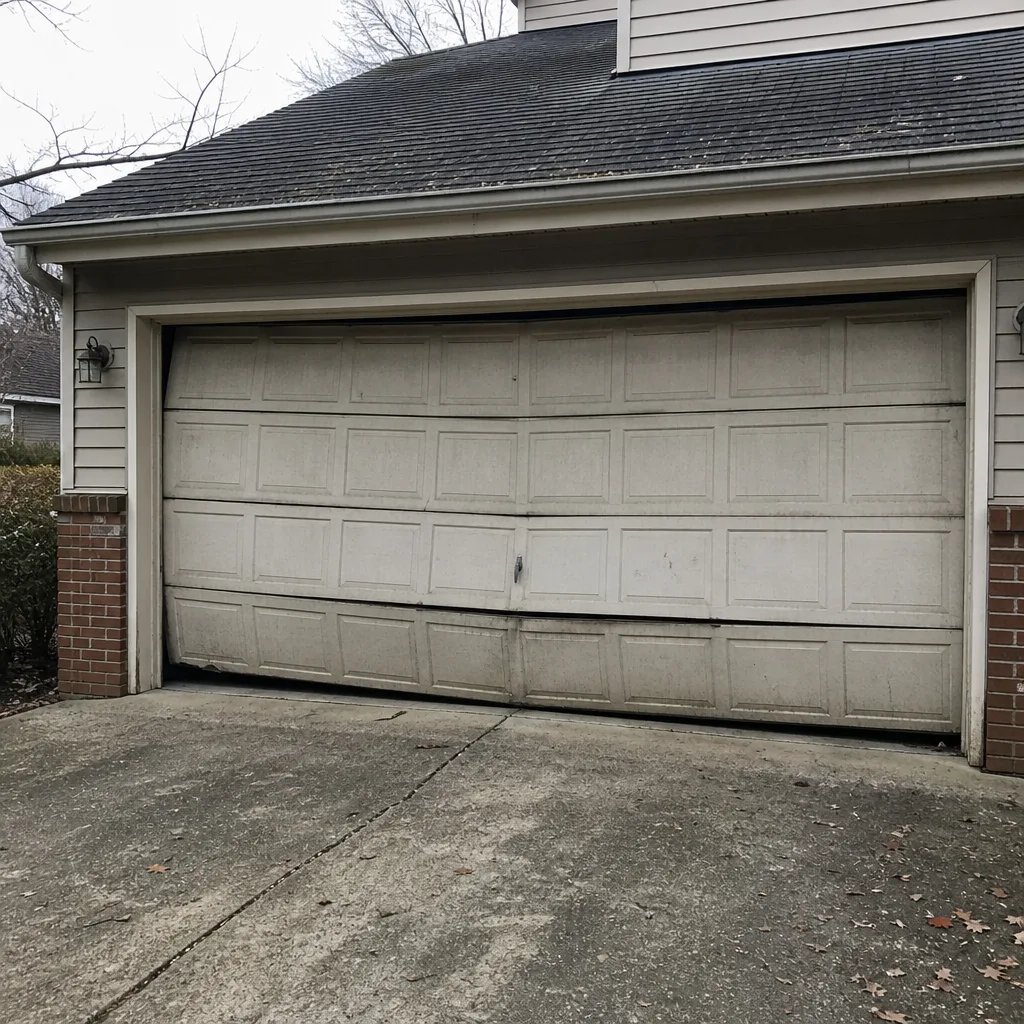 Before
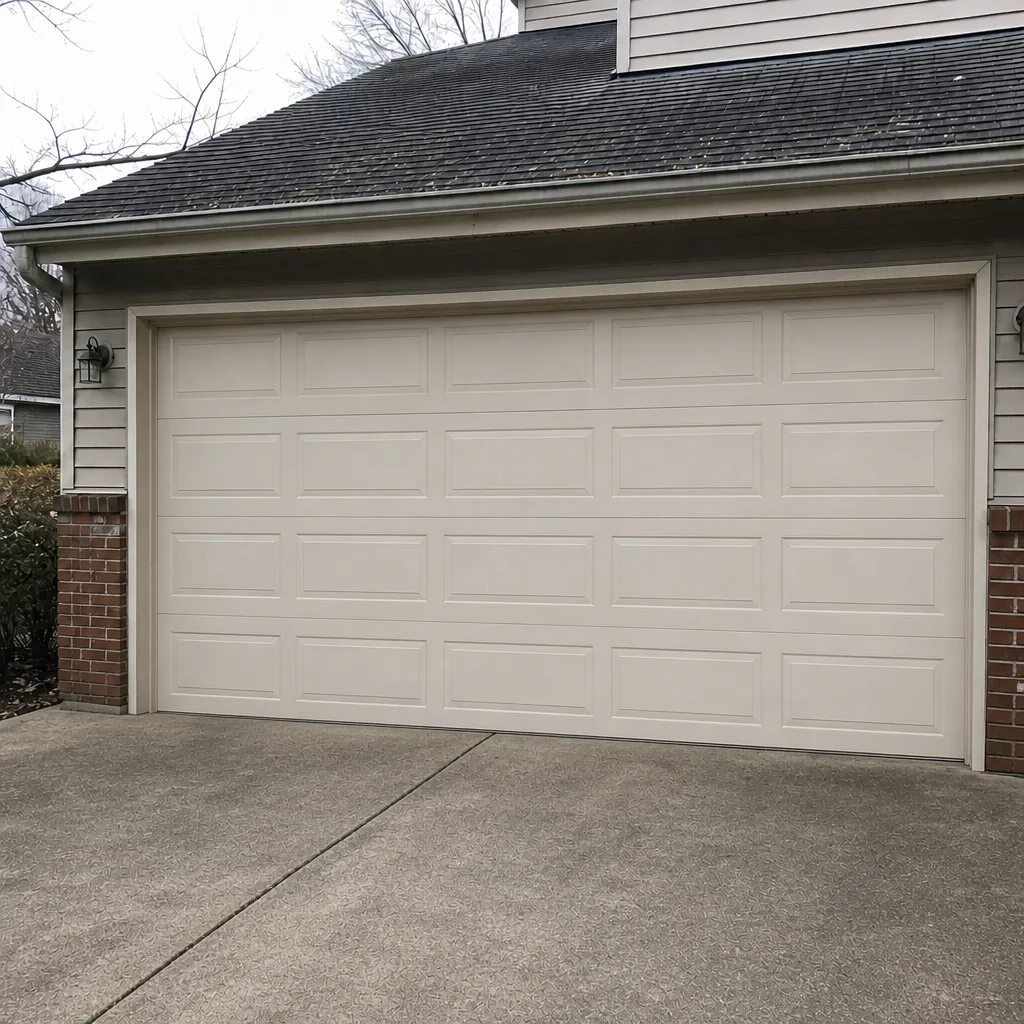 After
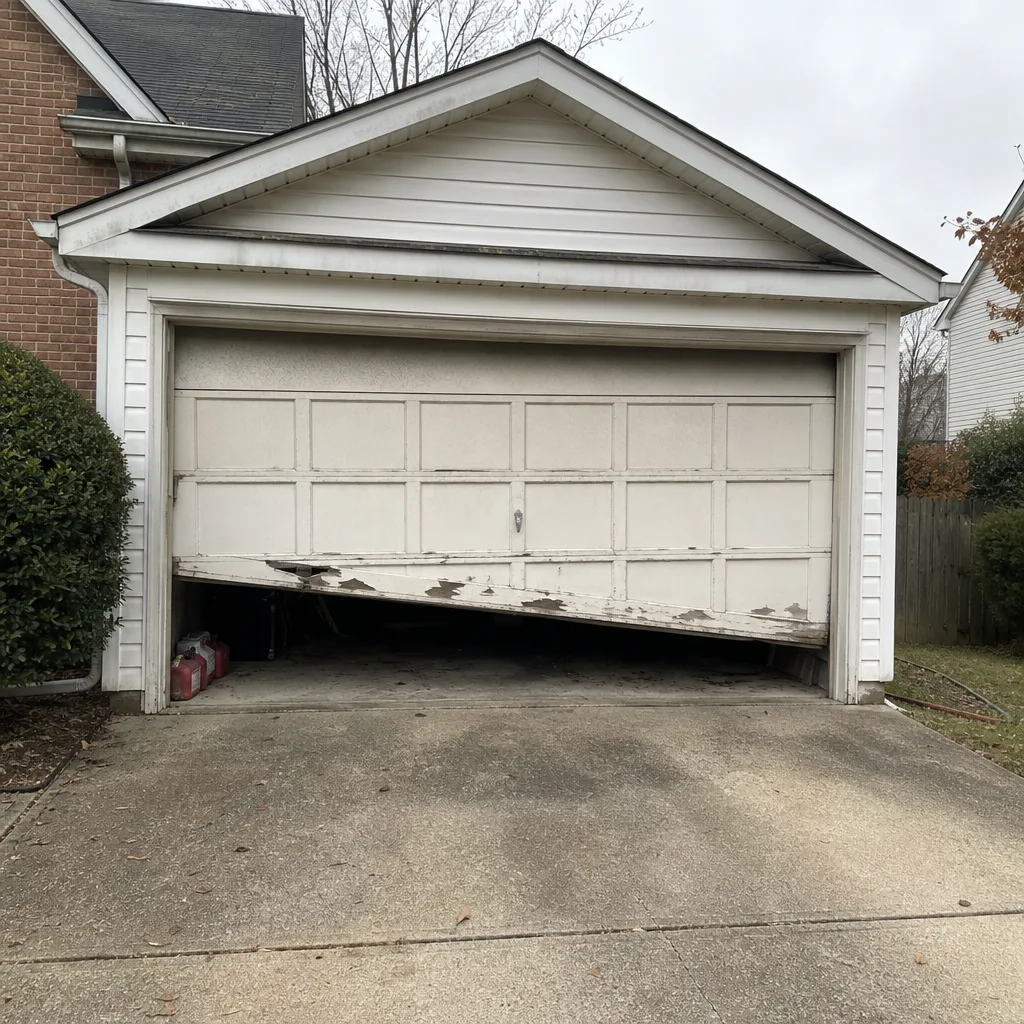 Before
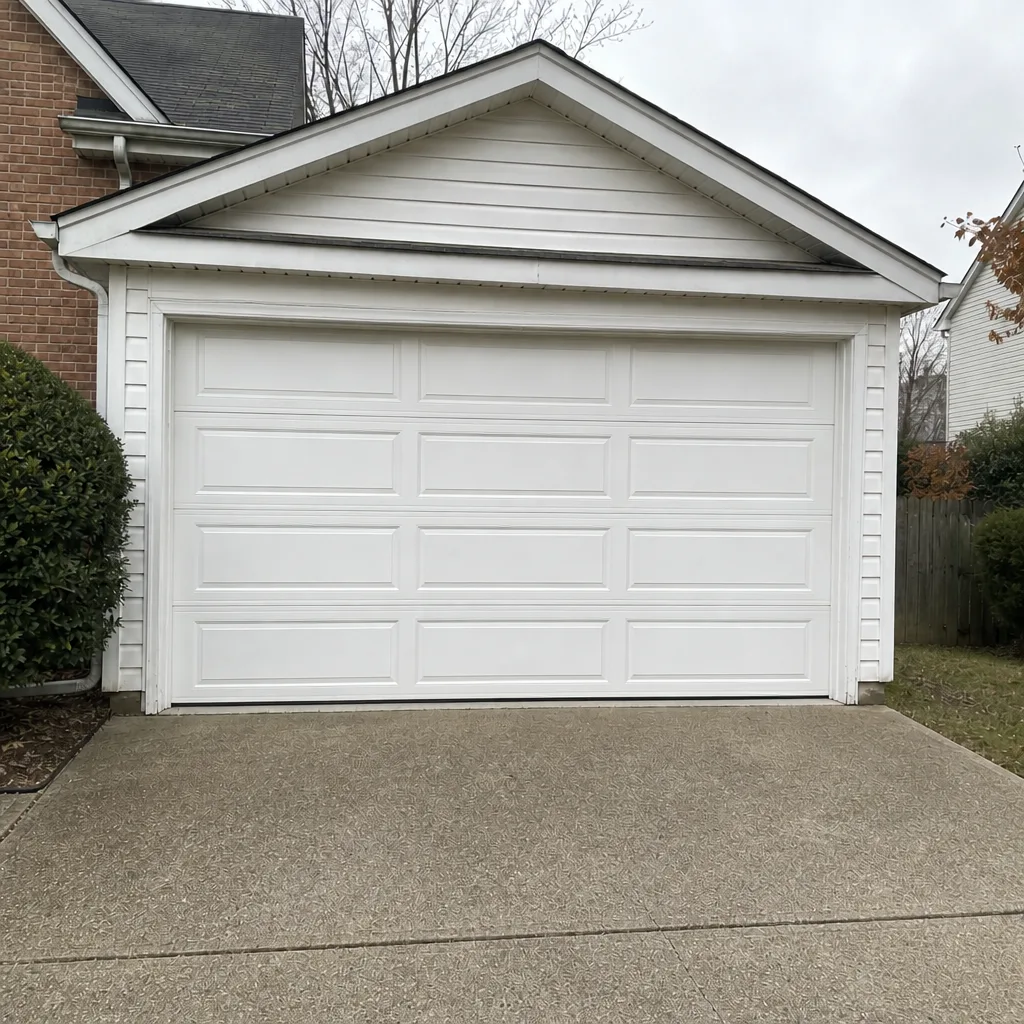 After
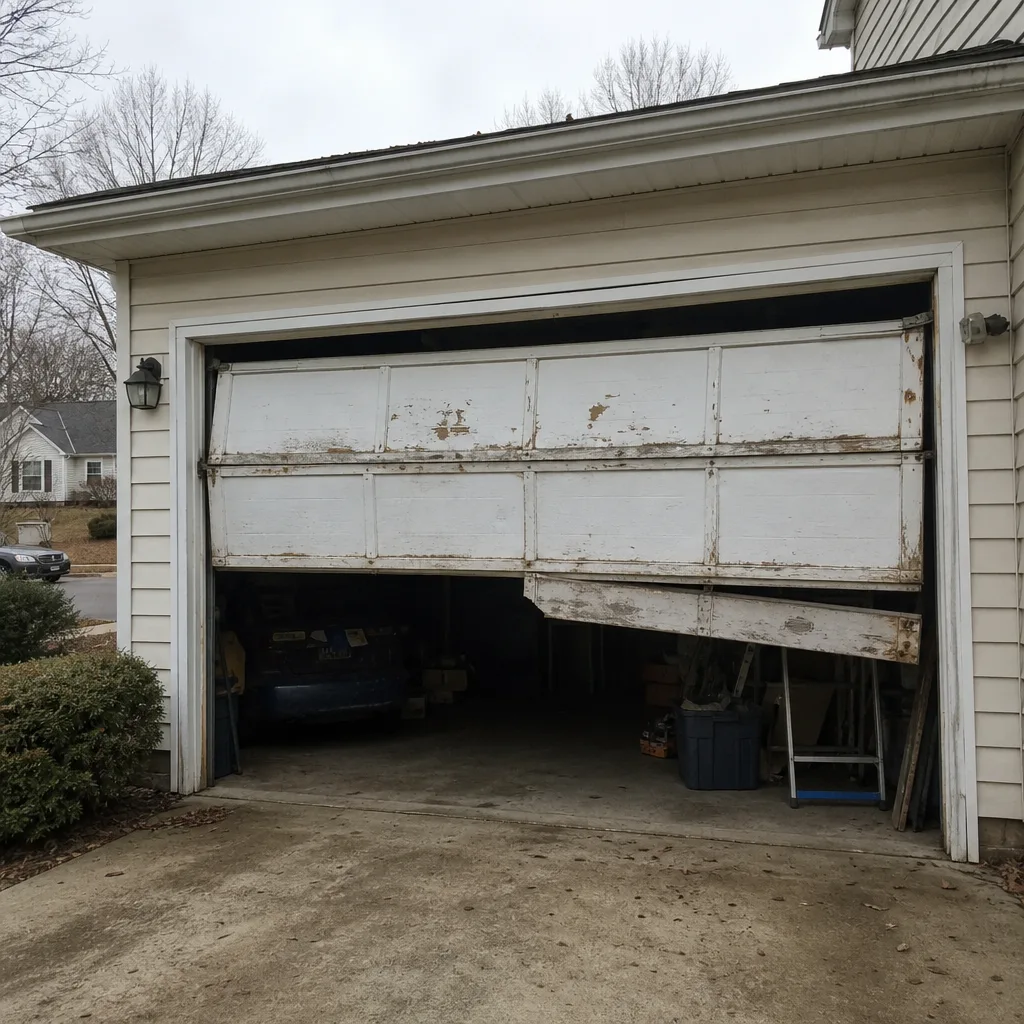 Before
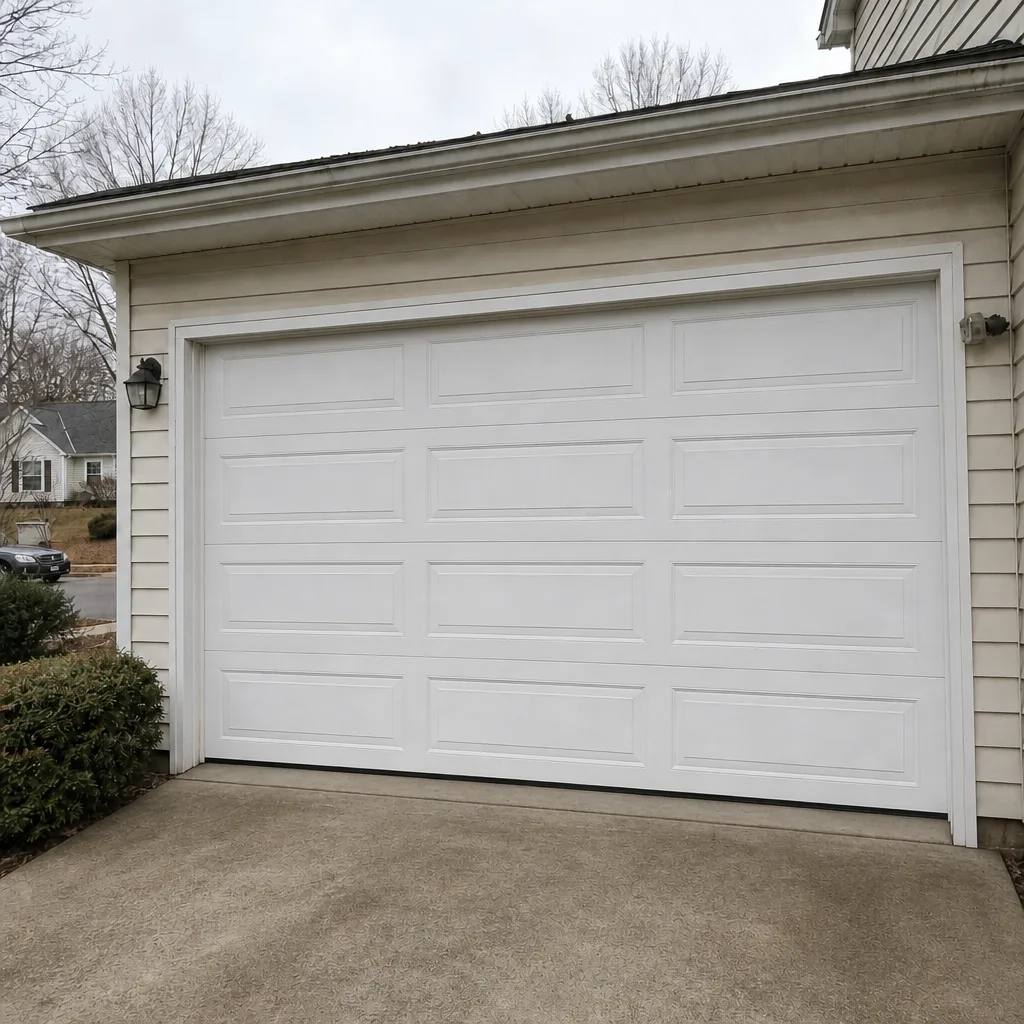 After
When to Call a Professional
Call us when the door won’t stay where you put it, when a spring has snapped, when the door is off track or hanging crooked, when a cable is loose or frayed, or when the opener behaves in ways you can’t explain. If a car is trapped and the door won’t open, that’s a call now, not in the morning. If the door just feels heavier or slower than it used to, that’s worth a check before it becomes a repair. Centreville Garage Door Repair offers free estimates in Centreville and works on everything from a single spring to a new door. Call (877) 792-6396. We answer 24/7. Fast dispatch from 7am to 7pm, Sunday through Friday.
Frequently Asked Questions
Check the simplest causes first: the wall button and remotes, a tripped breaker, and the safety sensors near the floor. If the power is out, pull the red manual release cord to disconnect the opener and lift the door by hand. If you hear a bang or the door feels drastically heavy, it’s likely a broken spring, and you should stop using the opener and call (877) 792-6396.
Yes, if the door is balanced and closed before you pull the cord. Raise the door by hand only if it lifts with steady effort. A door that’s very heavy or drops when released has a spring problem, not a power problem, and should not be operated by hand. Call us if the door fights you.
It depends on the exact repair, and the written estimate you receive sets the final price before any work starts. There’s no extra charge because a call comes in outside the usual dispatch window. Every job is quoted up front, and the estimate is free. Call (877) 792-6396 for an exact quote.
Yes, for urgent situations like a door that won’t close or a snapped spring, we can often get a technician out the same day. We answer 24/7, and fast dispatch runs from 7am to 7pm, Sunday through Friday. If a call comes outside dispatch hours, it’s booked into the next opening, Sunday through Friday, 7am to 7pm.
The price is quoted and agreed before any work starts, and the written estimate sets the final price. If we find something extra during the diagnosis, we’ll explain it and get your approval before doing it. You won’t get a surprise invoice after the job.
The local professionals we connect you with are licensed and insured as their state requires. Our technicians have up to 10 years of experience and work on equipment from LiftMaster, Chamberlain, Genie, Clopay, Amarr, Wayne Dalton, Craftsman and Raynor. Call (877) 792-6396 to book a free estimate.
The Bottom Line
A garage door emergency is a solvable problem, and the difference between a bad night and a manageable one is knowing what to do before it happens. Learn where your manual release is. Find your door and opener brand and photograph the labels. If a spring snaps, stop the opener and don’t touch the cables. If the door won’t close, secure the house and call. Know which problems can wait until the next dispatch window and which can’t. And when you need someone who recognizes your equipment by brand, centreville homeowners can call Centreville Garage Door Repair at (877) 792-6396. We answer 24/7. Fast dispatch from 7am to 7pm, Sunday through Friday.
Written by the team at Centreville Garage Door Repair.