
Last updated November 22, 2026
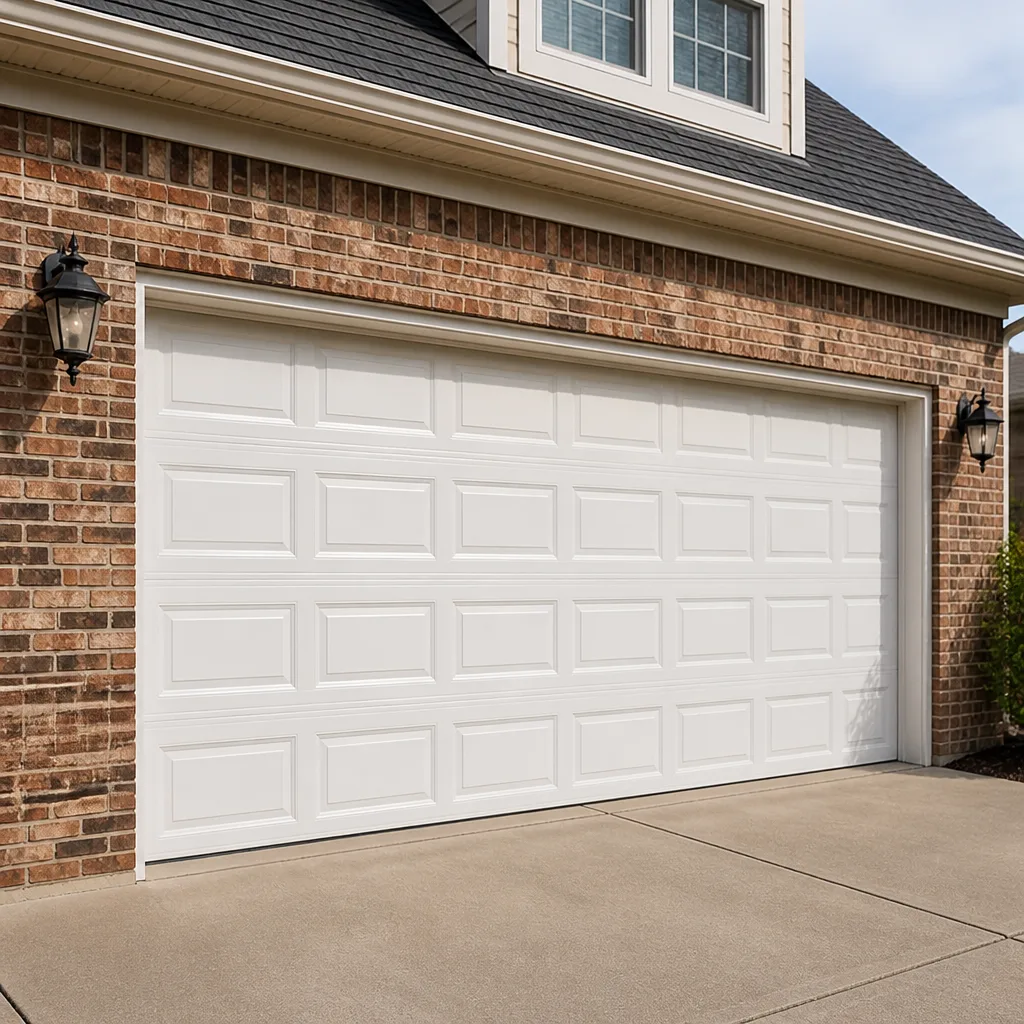 Raised-panel steel
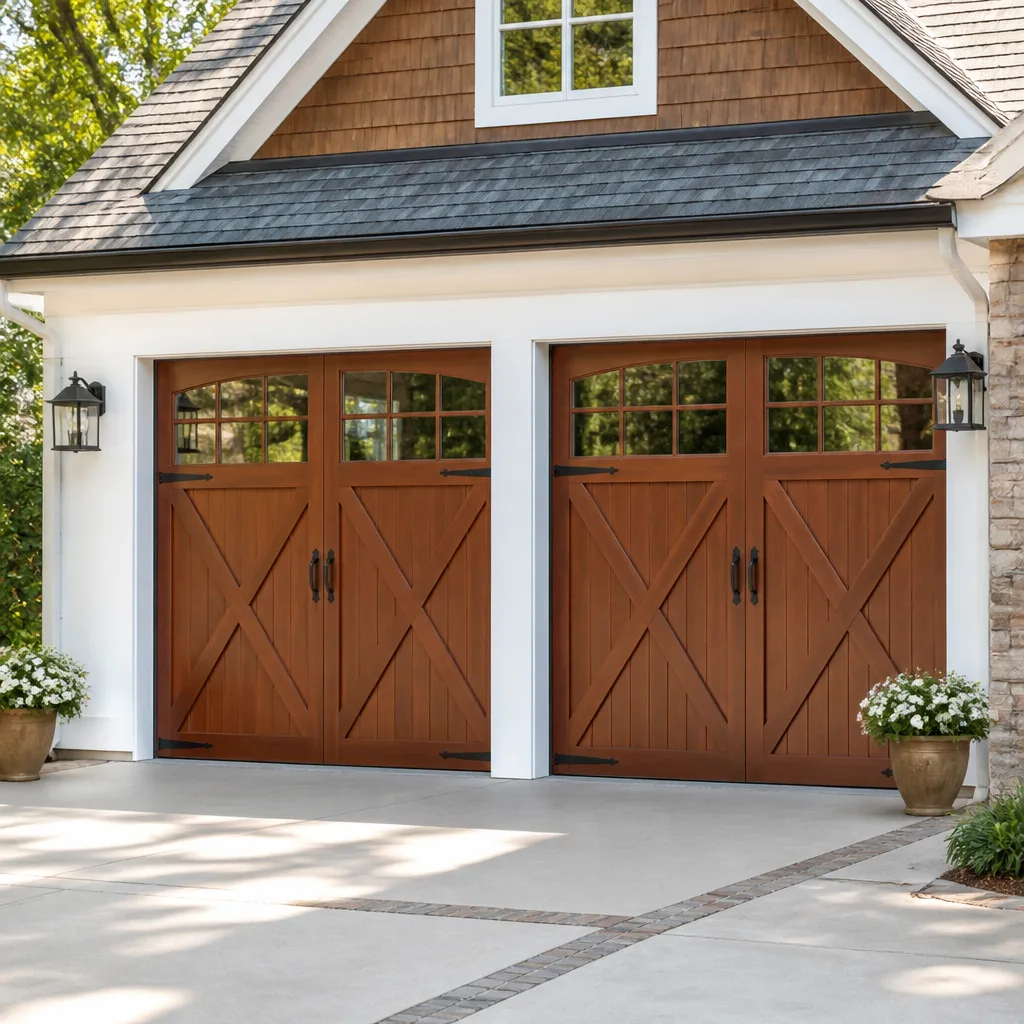 Carriage house
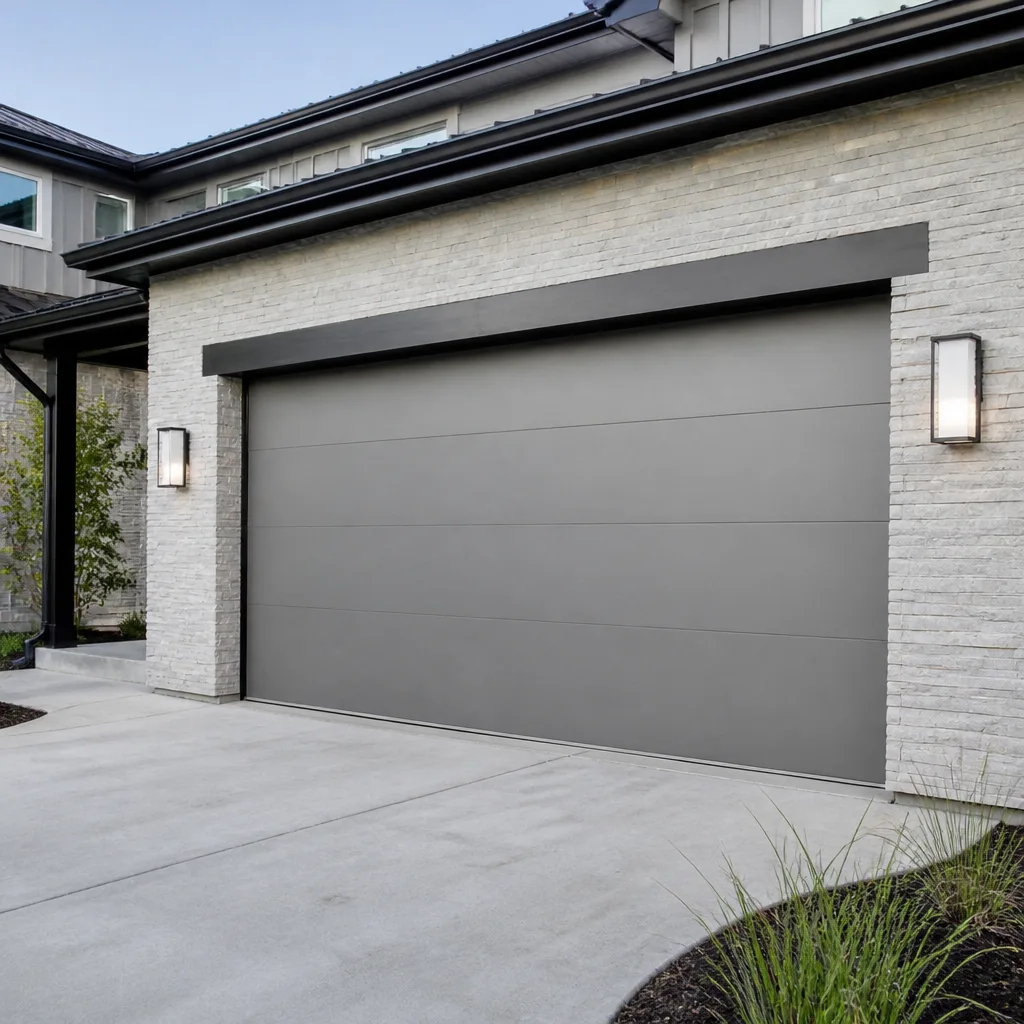 Modern flush
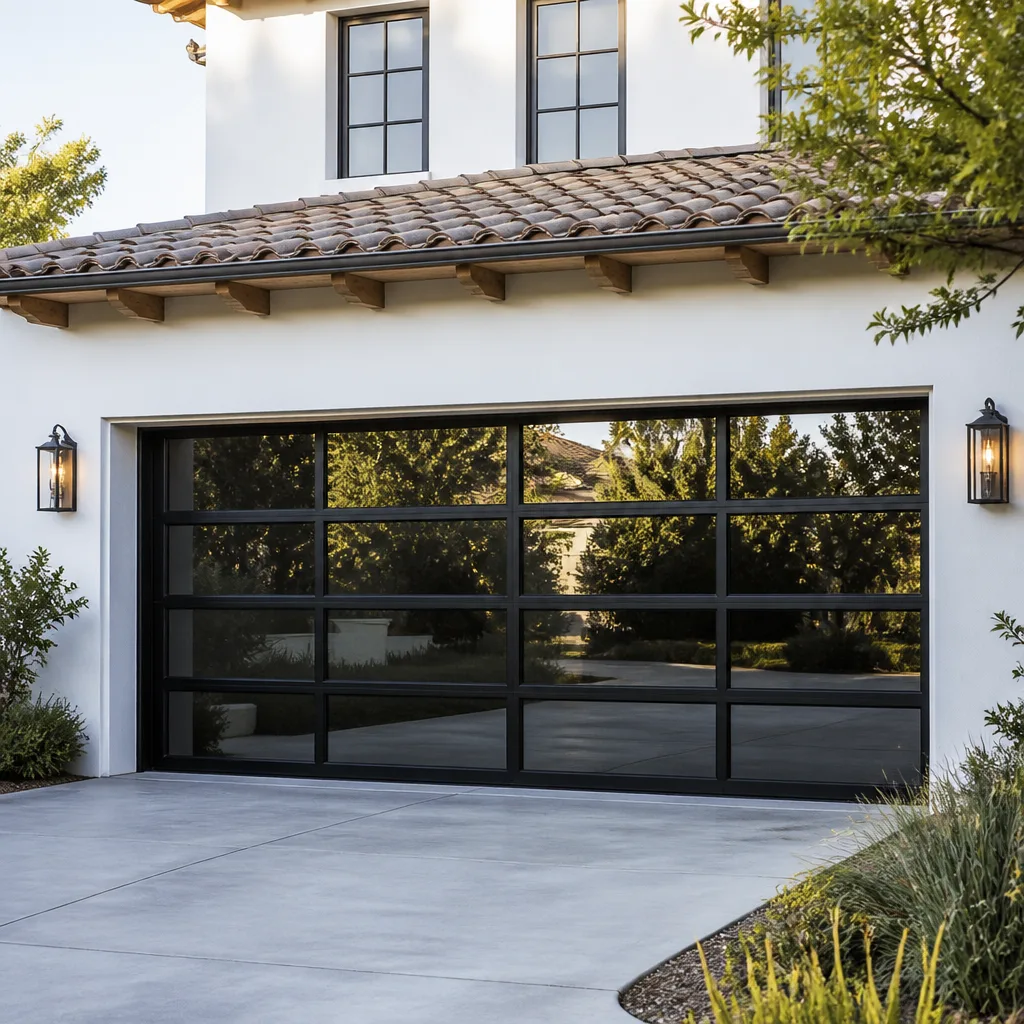 Full-view glass
 LiftMaster openers
 Chamberlain openers
Full 25-point door and opener safety check with every visit - springs, cables, rollers, tracks, and your LiftMaster or Chamberlain opener included
You get a price before we start. It does not change when the pro arrives.
Get your free estimateGarage Door Repair Maintenance Checklist for Centreville Homeowners
A snapped torsion spring almost never happens without warning. Long before the metal breaks, there are usually three or four small things going wrong at once: a door that’s gotten heavier to lift, a slight sag on one side, a scraping sound at the top of the travel, a gap you can see daylight through when the door is shut. The problem isn’t that Centreville homeowners ignore their doors. It’s that most online checklists tell you to “lubricate moving parts” and leave it there, without saying what to actually look at. This guide is built around the failure patterns we see most often in Centreville, Virginia, and what to check for before a small adjustment turns into a real repair.
Quick Answer
A good garage door maintenance checklist covers five things: spring and cable condition, roller and hinge wear, track alignment, balance and safety-reverse testing, and opener strain. Most of these checks take under fifteen minutes each. The goal is to catch symptoms in the weeks before a component fails, when the fix is a quick adjustment instead of a full spring or cable replacement. In Centreville’s climate, seasonal temperature swings put extra stress on metal parts, so checking twice a year – once in spring and again before the cold settles in – catches more problems than a single annual look.
Styles & brands we work with
- Raised-panel steel
- Carriage house
- Modern flush
- Full-view glass
- LiftMaster openers
- Chamberlain openers
Table of Contents
- The Five Failure Patterns That Precede Most Repair Calls
- The 10-Minute Monthly Walkaround
- How to Test Balance, Reverse Sensitivity, and Auto-Close in Under 5 Minutes
- Which Lubricant Goes Where (And the One Product to Never Spray)
- A Seasonal Task Breakdown for Centreville’s Climate
- Opener Checks That Prevent Motor Strain
- Call-a-Tech-Now Thresholds: When a Checklist Item Becomes a Repair
- When to Call a Professional
The Five Failure Patterns That Precede Most Repair Calls
Nearly every repair call we handle falls into one of five categories, and each one leaves clues in the weeks before it fails completely. Knowing what those clues look like is the single biggest thing a homeowner can do to avoid a surprise. Here’s what to watch for with each.
1. Spring Failure
A torsion spring under tension holds the entire weight of your door. When it’s nearing the end of its life, the door gets noticeably heavier to lift by hand. You might hear a sharp pop or bang, or notice the door only opens partway before the opener strains. A visible gap in the coil, or a stretched section, is a clear sign. Springs are dangerous – we handle them so you don’t have to, and we never recommend homeowners touch a wound torsion spring. This is the repair we see most often and the one most worth catching early.
2. Cable Snap
Cables run along the sides of the door and work with the springs. Fraying, kinks, or a cable that’s come off its drum is a warning. A door that hangs crooked, or one side that lifts before the other, usually points to a cable problem. Never try to re-spool a cable yourself; the tension is unforgiving.
3. Roller Wear
Worn rollers make the door noisy and cause it to rattle or shake during travel. Look at the rollers in the track – flat spots, cracks, or rollers that wobble in their brackets mean they’re due. A grinding sound as the door moves is the audio cue. Rollers are inexpensive to replace and easy to ignore, which is exactly why they cause bigger problems later.
4. Misaligned Track
A bent or out-of-line track makes the door bind, scrape, or stop partway. You’ll hear a scraping sound or see the door pull away from the frame on one side. Small dents in the track from a bumped car or a stray object are common in Centreville garages that double as storage. A slightly out-of-alignment track is a quick adjustment; a badly bent one risks the door coming off its rollers.
5. Opener Motor Strain
An opener that struggles, hesitates, or runs louder than it used to is telling you the door is fighting it. Often the opener is fine and the door is the problem – a stiff roller, a dry hinge, a heavy spring. If the opener’s logic board or motor is the issue, our garage door opener repair service covers diagnosis and fix for LiftMaster, Chamberlain, Genie, and Craftsman units.
The 10-Minute Monthly Walkaround
You don’t need tools for most of this. A monthly visual and audio check catches the early signs before they turn into a repair call. Here’s the routine, in order:
- Look at the springs from a safe distance. Check for gaps in the coil, a stretched section, or rust. Don’t touch a wound spring.
- Inspect the cables on both sides for fraying, kinks, or slack.
- Roll the door up and listen. Grinding, scraping, or rattling points to rollers or track.
- Check the rollers in the track for flat spots or wobble.
- Look down the track line. Both sides should look straight and parallel. A visible bend means misalignment.
- Check the hinges and brackets for loose bolts. A quick visual pass is enough.
- Test the safety reverse (see the next section).
- Check the weather seal at the bottom for cracks or gaps.
Done once a month, this takes about ten minutes and catches the vast majority of developing issues. If something looks off, note it and decide whether it needs a technician. Many of these checks overlap with what we cover during a standard garage door repair visit, which is why a quick walkaround saves money long term.
How to Test Balance, Reverse Sensitivity, and Auto-Close in Under 5 Minutes
These are the three safety checks that protect your family and your door, and you can run all three in under five minutes. Here’s how each one works.
Balance Test
Disconnect the opener (usually a pull cord or release handle), then lift the door halfway by hand and let go. A balanced door stays put. A door that sinks or rises on its own has a spring problem. Do this carefully; a heavy door can fall fast.
Reverse Sensitivity Test
With the door open, place a roll of paper towels or a small box in the door’s path, then close the door using the wall control. The door should reverse on contact. If it doesn’t, the opener’s sensitivity setting needs adjustment, or the opener needs repair. Don’t test this with a person or a pet.
Auto-Close Test
If your opener has an auto-close feature, confirm the door closes fully and seals against the floor. Check that the bottom seal contacts the ground evenly. A gap means the door isn’t meeting the floor correctly and may need adjustment to the travel limits or the seal itself.
Running these three checks monthly is the best defense against a door that fails when you need it most. If any test fails, that’s a signal to call for a professional look rather than ignore it.
Which Lubricant Goes Where (And the One Product to Never Spray)
Lubrication is where most homeowners go wrong. The mistake is spraying one product on everything, which usually means spraying WD-40 on the springs and hinges. WD-40 is a solvent, not a lubricant – it cleans and displaces moisture, but it doesn’t protect metal long-term and it can strip the factory grease off moving parts. Don’t spray it on your door’s hardware. Here’s what to use instead:
- Springs and torsion tube: A dedicated garage door spring lubricant or a lithium grease spray. These need a product that stays put and doesn’t attract grit.
- Rollers, hinges, and bearing plates: A silicone-based or lithium-based lubricant. These parts move constantly and need a light, non-gumming product.
- Tracks: Nothing. Tracks should be clean and dry. Lubricant attracts dirt and makes the rollers bind.
- Weather seal: A silicone spray or a light coat of silicone grease keeps the seal flexible and prevents cracking.
If you’re unsure which product to buy, ask a technician during a routine visit. Using the right lubricant on the right part is one of the simplest ways to extend the life of your hardware, and it’s the kind of thing we check on every garage door spring repair call so the new spring isn’t fighting dry rollers.
A Seasonal Task Breakdown for Centreville’s Climate
Centreville’s climate swings from hot, humid summers to cold winters with regular freezes, and that cycle is hard on metal and seals. A seasonal rhythm works better than a single annual checklist. Here’s what to focus on each season:
Spring (March-May)
Winter is the hardest season on springs and cables, so spring is when you check them closely. Look for rust, coil gaps, and frayed cables. Test the balance and reverse function. Check the bottom seal for cracking from the freeze-thaw cycle. Most of these tasks take under 15 minutes.
Summer (June-August)
Heat and humidity cause wood frames to swell and track alignment to shift. Check that the door still closes evenly against the frame and that the track hasn’t bowed. Listen for new sounds during operation. Lubricate hardware if it’s been a while.
Fall (September-November)
Before the first freeze, check the weather seal and lubricate the springs and moving parts. Cold makes metal brittle and stiff, so a properly lubricated door runs easier in winter. Test the opener’s reverse function; cold can affect the sensitivity settings.
Winter (December-February)
Cold weather is when spring failures peak. Watch for a door that gets harder to lift or an opener that strains on the first few inches. Keep the tracks clean of debris and ice. If a door fails to close in cold weather, that’s a signal to call rather than force it.
Opener Checks That Prevent Motor Strain
Your opener works harder than it should if the door is stiff, unbalanced, or poorly aligned. These checks keep the opener healthy and prevent the motor strain that leads to premature failure. Run them monthly:
- Listen on every cycle. A healthy opener runs smoothly. A strained one hesitates or runs louder.
- Check the travel limits. The door should open fully and close completely without straining at either end. Adjusting travel limits is in your opener’s manual and is a homeowner-safe task for most LiftMaster, Chamberlain, and Genie models.
- Test both remotes and the wall control. If one remote stops working, it’s usually a battery or programming issue, not the opener.
- Check the photo-eye alignment. The safety sensors at the bottom of the tracks must line up. If the door won’t close and the opener light flashes, a misaligned sensor is usually the cause.
- Check the force setting. Too high a force setting masks a door problem; too low causes false reversals. If the setting needs repeated adjustment, the door itself has an issue.
If your opener is straining and the door seems fine, the problem is often the opener’s internal mechanics. Craftsman and Chamberlain units in particular show their age through the logic board, which is repairable without replacing the whole opener. Our team handles these repairs as part of the full-scope service we offer across all major brands.
Call-a-Tech-Now Thresholds: When a Checklist Item Becomes a Repair
Knowing when to stop checking and call is half the value of a checklist. Here are the clear thresholds – if you hit any of these, book a professional visit:
- Broken spring or visible coil gap: Stop using the door. Call for spring repair.
- Frayed, kinked, or detached cable: Don’t operate the door. Call immediately.
- Door hanging crooked or binding: A cable or spring issue; don’t force it.
- Door reverses without obstruction, or fails to reverse on contact: Safety issue; call promptly.
- Rollers visibly cracked or flat-spotted: Schedule a replacement before the track wears.
- Track bent or door off the rollers: Stop using the door and call.
- Opener grinds, smokes, or trips a breaker: Turn it off and call.
- Door won’t close fully or leaves a gap: Check the reverse and travel limits first; if that doesn’t fix it, call.
If you’re in the middle of one of these right now, the door won’t close at night or won’t open in the morning, that’s exactly the situation our emergency service is built for. We answer 24/7, and fast dispatch from 7am to 7pm, Sunday through Friday, gets a technician to you the same day in most cases. For a full breakdown of repair options, see our main Centreville Garage Door Repair page.
Common Mistakes to Avoid
- Spraying WD-40 on everything. It’s a solvent, not a long-term lubricant, and it strips the grease off your hardware. Use a spring-specific or silicone lubricant instead.
- Ignoring a door that gets harder to lift. That’s usually the first sign of a failing spring. Waiting turns a repair into a replacement.
- Forcing a door that binds or hangs. Forcing a misaligned door can bend the track or snap a cable. Stop and call.
- Lubricating the tracks. Tracks should be clean and dry. Lubricant attracts dirt and makes rollers bind.
- Skipping the reverse test. A door that fails to reverse is a safety hazard for anyone in the path, including pets and children.
- Adjusting the opener force setting to mask a door problem. Raising the force setting hides the real issue and strains the motor.
- Assuming a new opener fixes a heavy door. If the door is unbalanced or the springs are weak, a new opener will strain just like the old one. Fix the door first.
See the difference
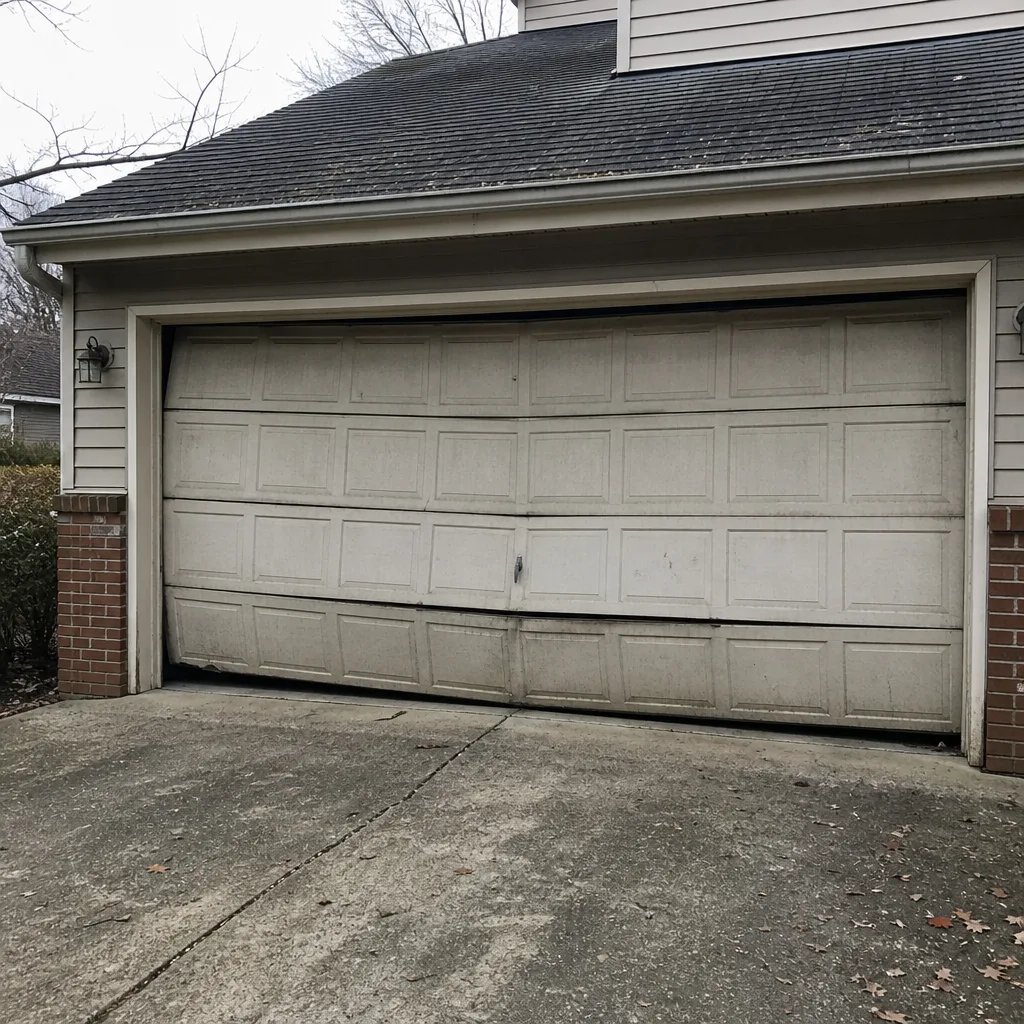 Before
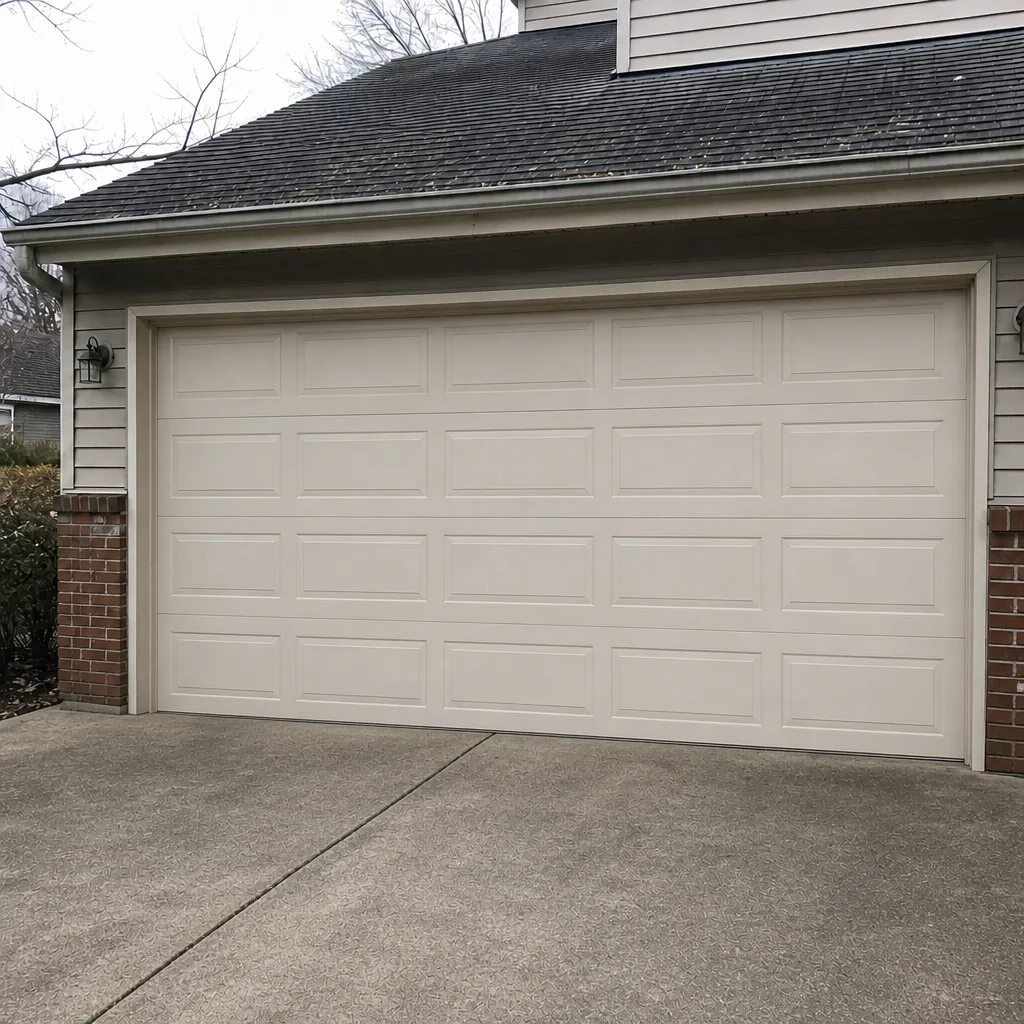 After
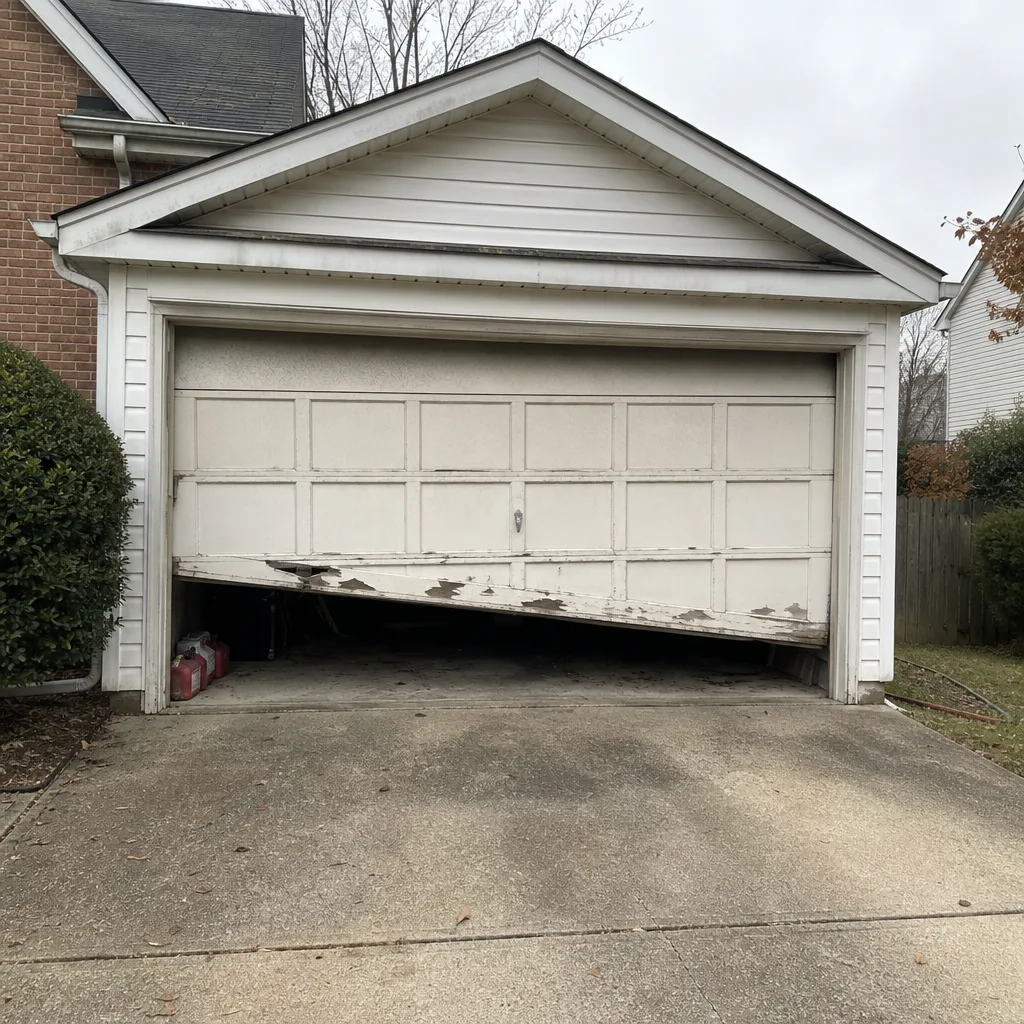 Before
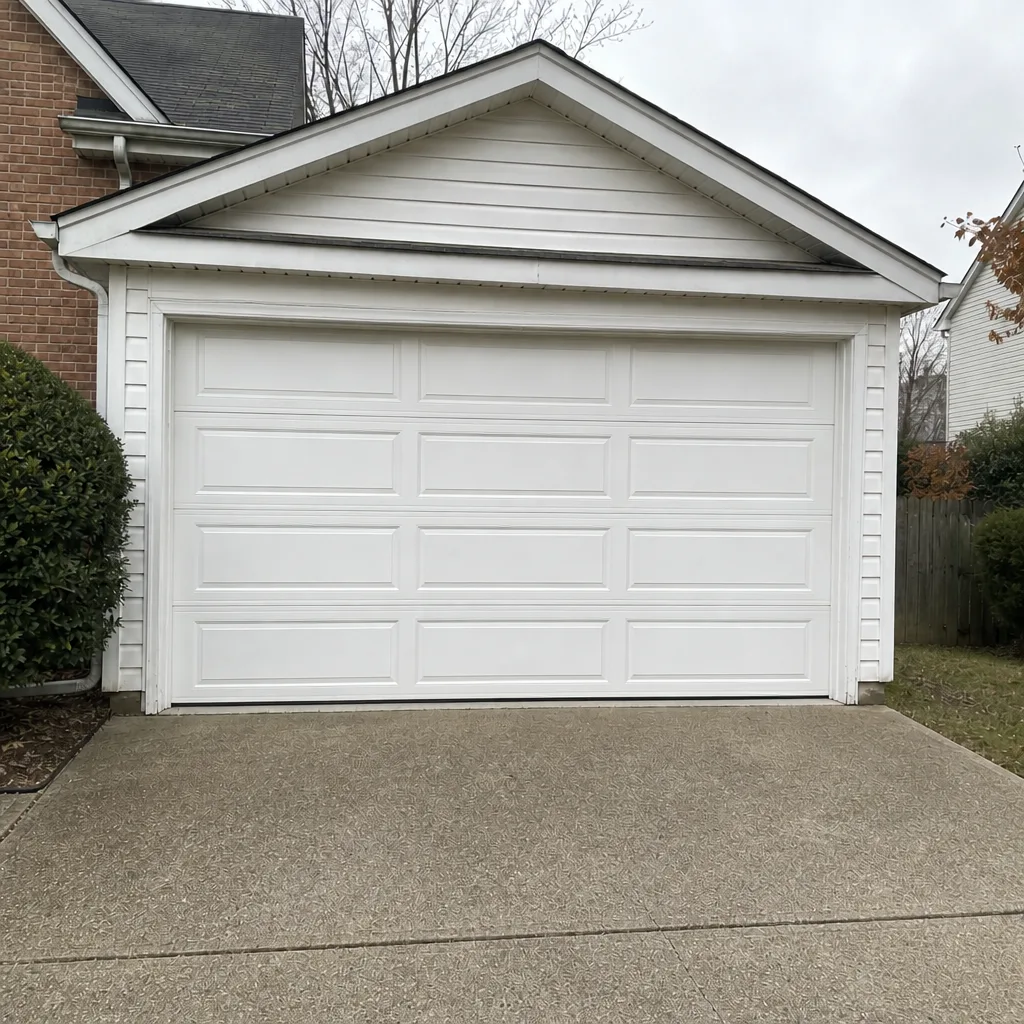 After
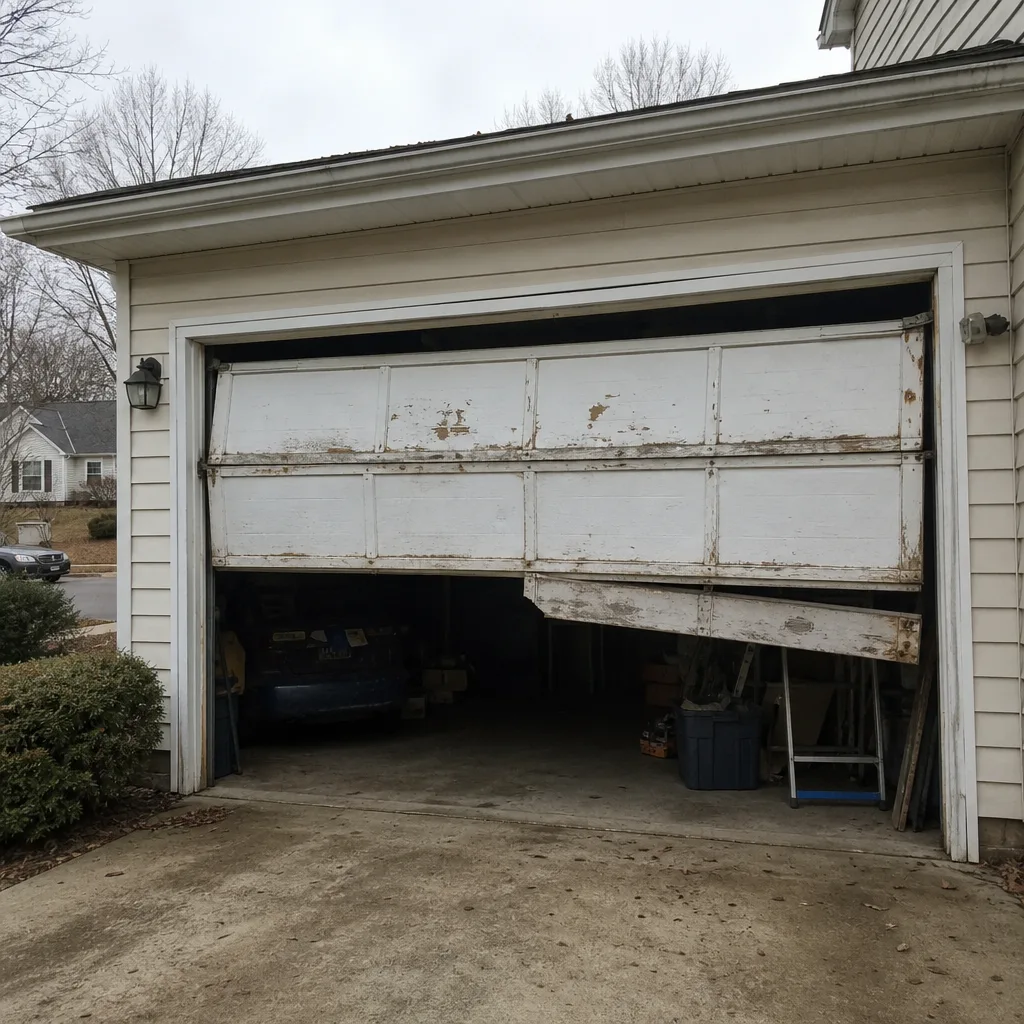 Before
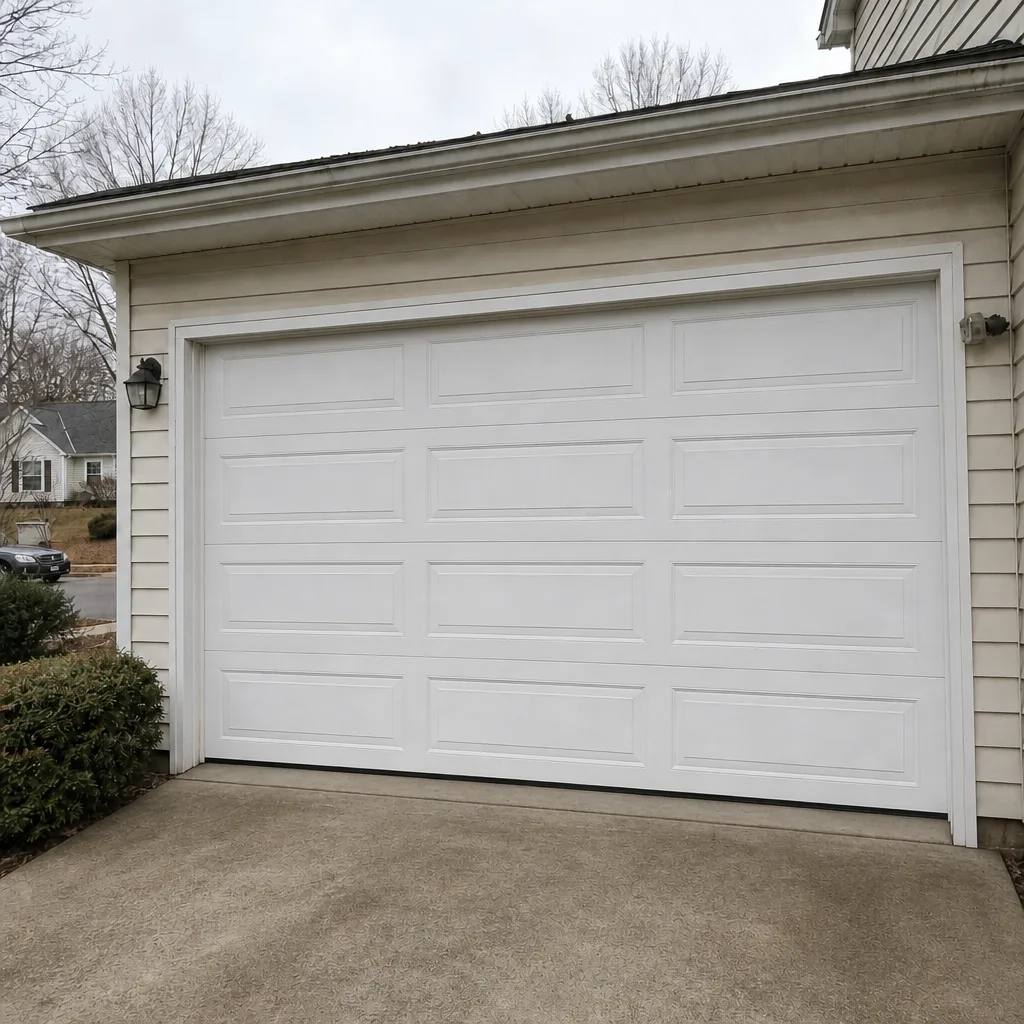 After
When to Call a Professional
Call a professional when a spring breaks, a cable frays or detaches, the door hangs crooked, the track bends, or the opener grinds or trips a breaker. These are beyond a homeowner checklist and need trained hands. Springs and cables especially carry serious tension and can cause injury if handled wrong, so don’t attempt them yourself. For everything else – a door that’s stiff, noisy, or slow to close – a professional can diagnose the cause in one visit instead of trial and error.
Centreville Garage Door Repair offers free estimates in Centreville. Our technicians have up to 10 years of experience and service LiftMaster, Chamberlain, Genie, Clopay, Amarr, Wayne Dalton, Craftsman, and Raynor equipment, so we know the specific hardware in your garage. Call (877) 792-6396. We answer 24/7, and fast dispatch runs from 7am to 7pm, Sunday through Friday.
Frequently Asked Questions
Check the door monthly with a 10-minute walkaround, and do a fuller seasonal check four times a year. Centreville’s freeze-thaw cycle in winter and humid summers are hard on springs, cables, and seals, so a spring check after winter and a pre-freeze check in fall catch most problems early.
The door gets noticeably heavier to lift by hand, and the opener may strain on the first few inches. A visible coil gap or a sharpsound when the door moves are later signs. If you notice any of these, stop using the door and call for spring service.
Yes, for the moving parts that don’t carry spring tension – rollers, hinges, and bearing plates. Springs and cables are best left to a technician. Use a silicone or lithium-based lubricant, never WD-40, and never lubricate the tracks.
A false reversal is usually a misaligned photo-eye sensor, a dirty sensor lens, or a force setting that’s too low. Check that the sensors on both sides of the door are clean and lined up. If they are and the door still reverses, the opener’s travel or force limits need adjustment or repair.
Spring repair is typically $180 to $340 for one spring, and a matched pair is usually replaced together, so expect roughly twice that for a pair. Roller and hinge replacements are usually less, and opener repairs depend on the part. The written estimate sets the final price, and it’s agreed before any work starts. Call (877) 792-6396 for an exact quote – estimates are free.
Yes, same-day service is available for doors that won’t open or close. We answer 24/7, and fast dispatch runs from 7am to 7pm, Sunday through Friday. A call outside dispatch hours is booked into the next opening, Sunday through Friday, 7am to 7pm. We’re closed Saturday. Call (877) 792-6396.
No. The written estimate is the price, and it’s agreed before work begins. If a technician finds something different once the door is open, you’ll be told before any additional work starts.
The local professionals we connect you with are licensed and insured as their state requires. Our technicians have up to 10 years of experience, and they service LiftMaster, Chamberlain, Genie, Clopay, Amarr, Wayne Dalton, Craftsman, and Raynor equipment. Call (877) 792-6396 to book a free estimate.
The Bottom Line
A garage door rarely fails without warning. The spring that snaps, the cable that frays, the roller that wears flat – each one leaves signs weeks ahead, and a 10-minute monthly walkaround catches most of them. Build a seasonal rhythm around Centreville’s climate: check springs and cables after winter, check seals and alignment before the first freeze, and run the balance, reverse, and auto-close tests every month. Use the right lubricant on the right part, never WD-40 on your hardware, and know the thresholds where a checklist item becomes a call. When in doubt, call – a free estimate is cheaper than a surprise repair.
Written by the team at Centreville Garage Door Repair.