
Last updated November 22, 2026
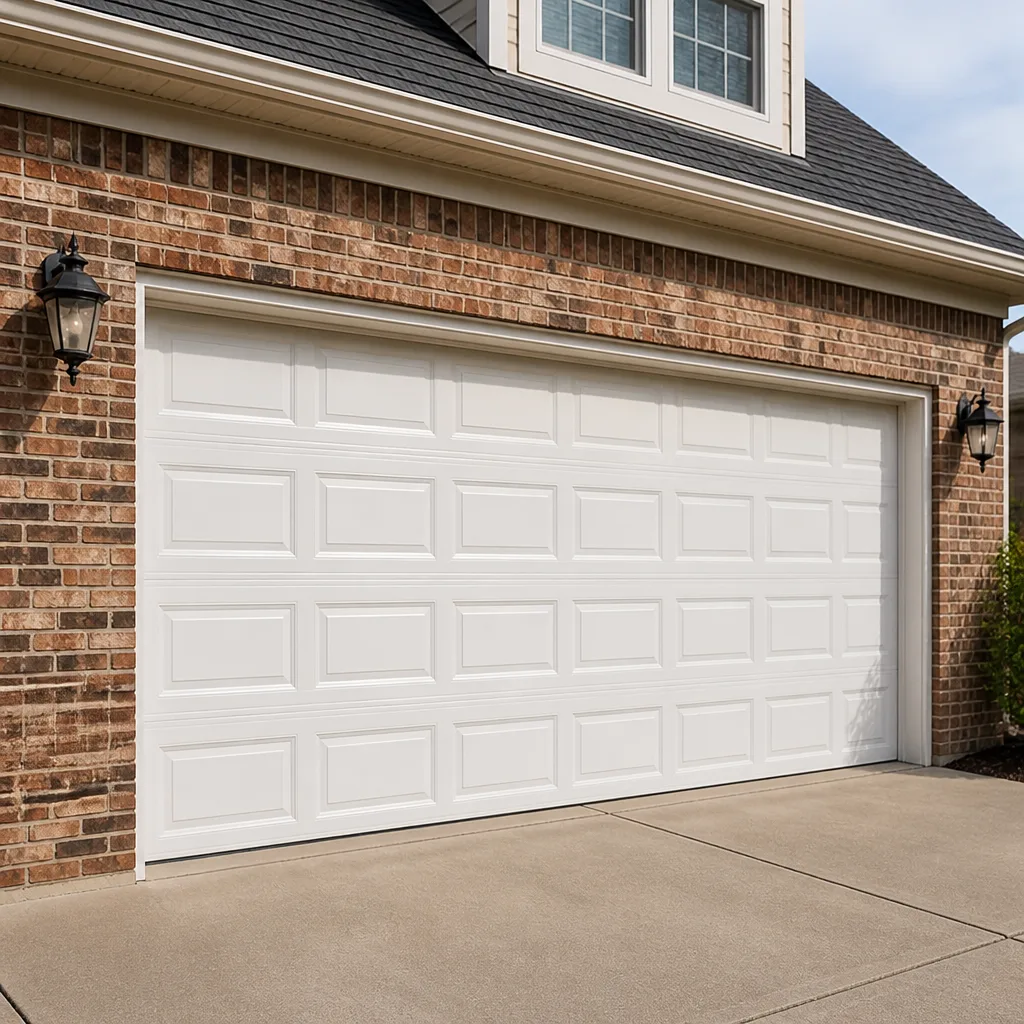 Raised-panel steel
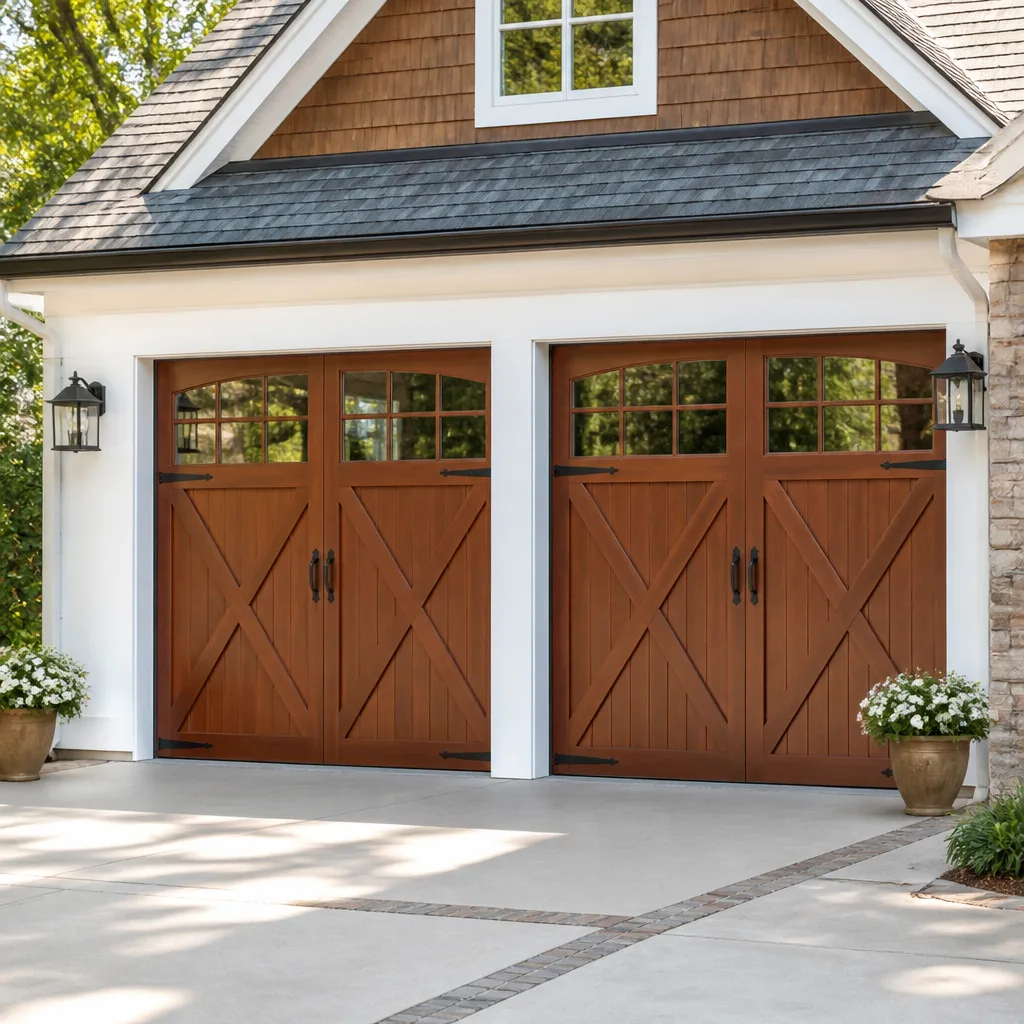 Carriage house
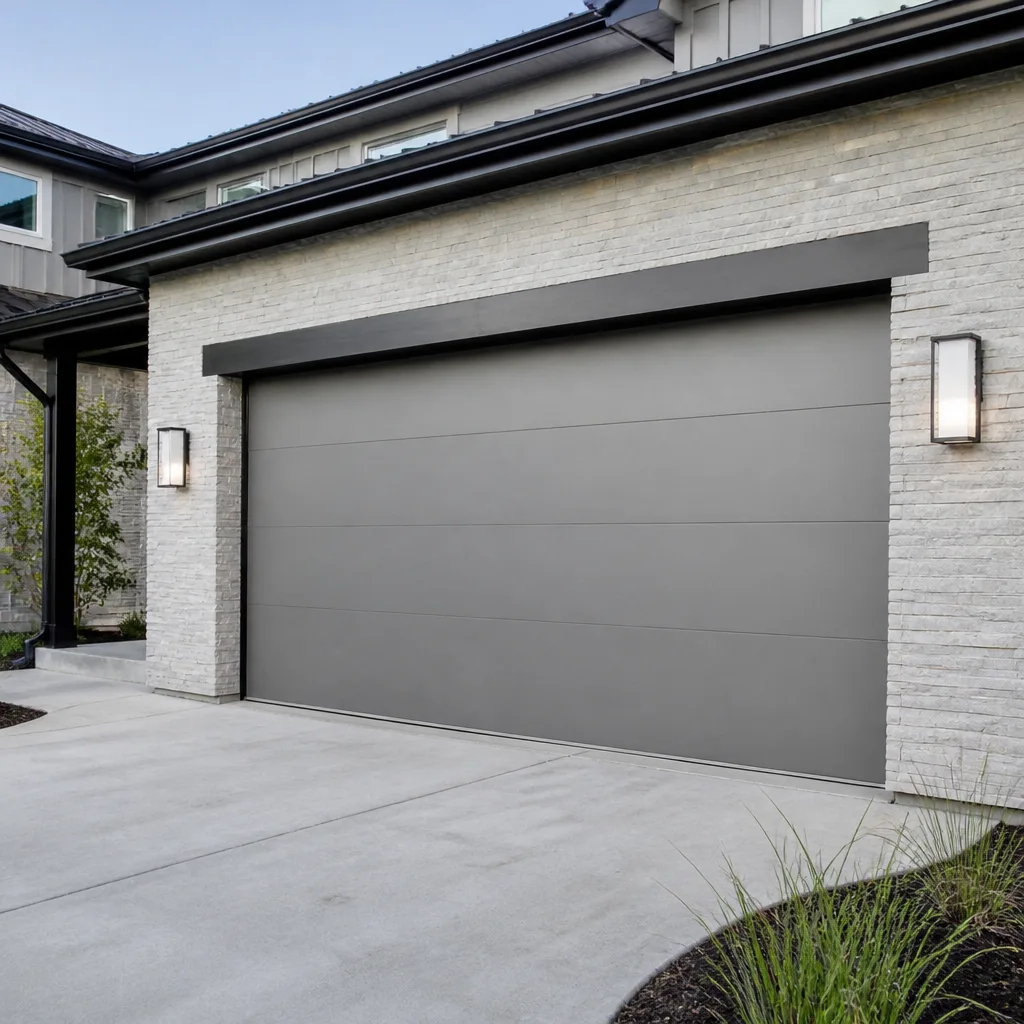 Modern flush
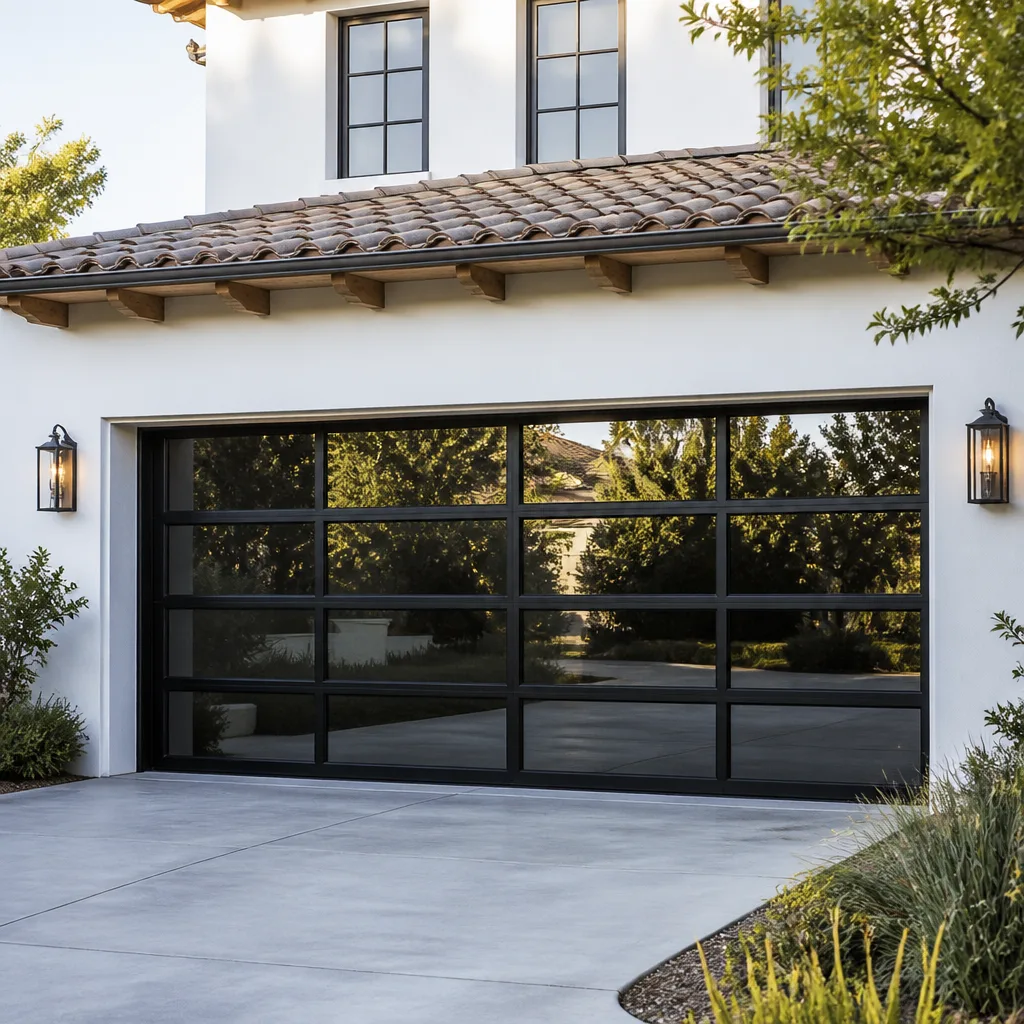 Full-view glass
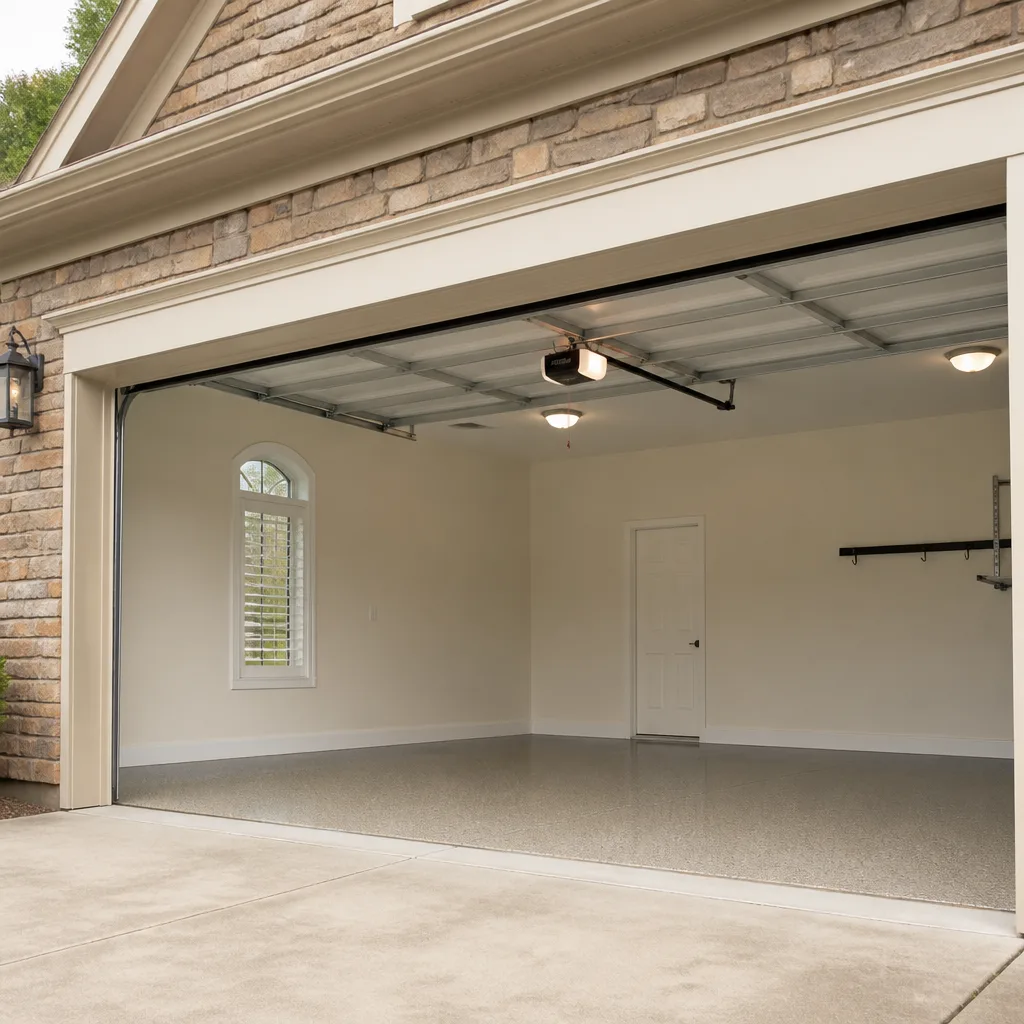 LiftMaster openers
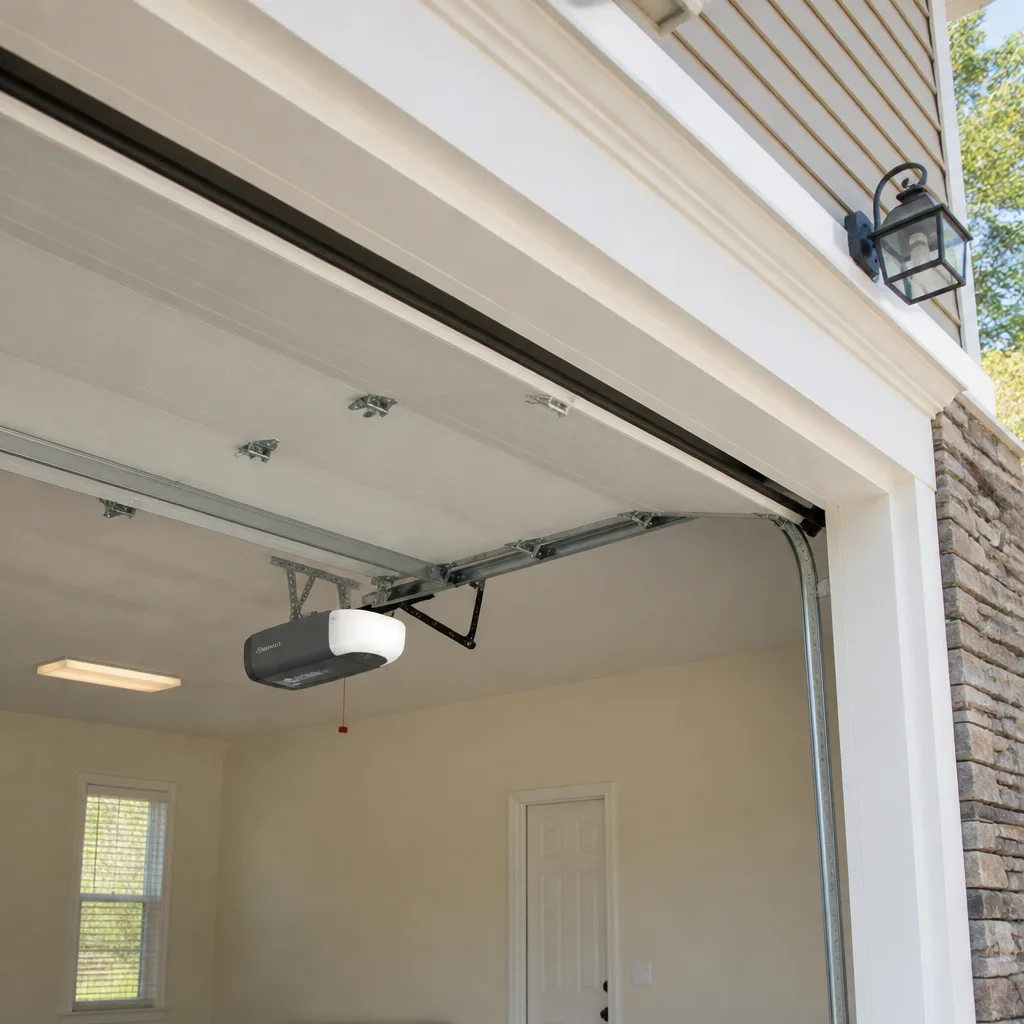 Chamberlain openers
Full 25-point door and opener safety check with every visit - springs, cables, rollers, tracks, and your LiftMaster or Chamberlain opener included
You get a price before we start. It does not change when the pro arrives.
Get your free estimateGarage Door Repair Maintenance Schedule: What to Do and When
Spraying WD-40 on your garage door springs is one of the most common homeowner maintenance mistakes, and it accelerates the exact corrosion you’re trying to prevent. It strips away the factory lubricant, leaves a thin residue that traps dust, and does nothing for the metal beneath. We’ve seen springs in Centreville go from clean to rust-streaked in a single season because of it. The real problem isn’t laziness. It’s that most maintenance advice tells you to “check everything regularly” without saying which task belongs at which interval. A garage door has moving parts that need attention monthly, parts that need it quarterly, and parts that only need eyes on them once a year. Get the frequency wrong and you either neglect something critical or over-lubricate something that was fine. This guide breaks the schedule down task by task, with the reasoning behind each interval, so you can stop guessing and start maintaining.
Quick Answer
A working garage door maintenance schedule has three tiers: monthly checks (balance test, visual inspection, listening for new noises), quarterly lubrication (rollers, hinges, tracks with the correct lubricant), and annual service (cable inspection, spring inspection, opener force and safety-reverse test, hardware torque check). The single most important annual task is cable inspection, which most homeowners skip and which is the biggest contributor to premature spring wear. If anything feels off during a check, stop operating the door and call a technician rather than trying to adjust it yourself.
Styles & brands we work with
- Raised-panel steel
- Carriage house
- Modern flush
- Full-view glass
- LiftMaster openers
- Chamberlain openers
Table of Contents
- Monthly Tasks: What to Check Each Month
- Quarterly Lubrication: Which Products Go Where
- The Balance Test: How to Do It and What It Tells You
- Annual Service: The Tasks Most Homeowners Skip
- Cable Inspection: The One Task That Prevents Most Spring Failures
- Opener Safety Tests: What to Check and When
- Keeping a Maintenance Record
- Common Mistakes to Avoid
Monthly Tasks: What to Check Each Month
Monthly maintenance is about observation, not intervention. You’re looking for changes from last month, not performing repairs. A quick five-minute walk-around catches most developing problems before they become urgent. Centreville’s climate swings from humid summers to freezing winters, and that cycle works on metal, wood and rubber all year. Doors that sit through a wet spring and then a dry fall often show the first signs of wear at the hinges and roller shafts, so a monthly look is worth the time.
Here’s what to check each month:
- Listen before you look. Open and close the door once and pay attention. Grinding, squealing, popping or a rhythmic thump are all signals. A door that was quiet last month and isn’t now has a problem starting.
- Check the balance. Pull the release cord to disconnect the opener, lift the door halfway, and let go. A balanced door stays put. One that drifts down or shoots up is off-balance and needs professional adjustment. (More on this in the balance test section below.)
- Look at the tracks. Run your eyes along both vertical and horizontal tracks. Dents, kinks or debris are easy to spot. Tracks that look out of alignment aren’t something to fix yourself, but they are something to report.
- Inspect the rollers. Look at the rollers seated in the hinges. Worn rollers look flat or cracked, or have visible play in the hinge. Nylon rollers go brittle with age; steel rollers wear smooth.
- Check the weather seal. The rubber strip at the bottom of the door should sit flat on the floor with no gaps. In Centreville, gaps show up fast after a hot summer, and they let in water, insects and cold air.
- Notice the opener light and behavior. If the opener’s light flickers, the door reverses unexpectedly, or the remote takes more than one press, that’s a sign the opener or its sensors need attention.
If any monthly check turns up something that doesn’t resolve on its own, that’s your cue to schedule garage door repair rather than wait for it to worsen. Small problems caught monthly are cheaper than failures caught on a Sunday morning.
Quarterly Lubrication: Which Products Go Where
This is where most schedules go wrong. Homeowners either lubricate nothing, or they lubricate everything with the same can of spray. Both are mistakes. Over-lubricating attracts grit that grinds on the very parts you’re trying to protect, and the wrong product will degrade rubber seals, damage plastic rollers, or leave a gummy film that binds the hinges. The right approach is a small number of correct products applied to the right components, no more than four times a year.
Here’s the breakdown of which lubricant belongs on which part:
- Rollers and hinges: Use a white lithium grease or a dedicated garage door lubricant. A light spray on each hinge pivot and once on each roller shaft is enough. Wipe off excess. Do not soak the roller assembly.
- Tracks: Use a silicone spray, applied lightly to a cloth and wiped along the inside of the track. Never use grease, oil or WD-40 in the tracks. Grease collects dust and grit, and grit is what makes rollers bind.
- Springs: Use a proper garage door spring lubricant or a light coating of white lithium grease. Never use WD-40 on springs. It cleans the surface but leaves no protective film, and the springs start corroding the moment it dries.
- Rubber weather seals and bottom astragal: Use a silicone-based protectant, not a petroleum-based one. Petroleum products dry out and crack rubber over time. This is the part most people forget, and it’s the one that fails first in Centreville’s hot summers.
- Opener drive screw or chain: Follow the manufacturer’s guidance. Genie and LiftMaster units often specify a particular grease or none at all. If you’re not sure, leave it to a technician rather than risk the wrong product.
If you have a Genie, Clopay, Amarr or Wayne Dalton door, our technicians know the lubrication requirements for those specific systems, including where the manufacturer’s spec differs from general practice. We can also tell you whether the rollers on your door are the type that should be lubricated at all, since some sealed units shouldn’t be.
The Balance Test: How to Do It and What It Tells You
The balance test is the simplest diagnostic you can run, and most homeowners have never done it. It tells you whether your springs are still doing their job. A balanced door requires only a few pounds of force to lift, and stays put wherever you release it. An unbalanced door requires more effort, drifts down on its own, or slams up when released. That’s the door telling you the spring tension is off, and it’s information you can’t get by watching the door from the outside.
Here’s how to do it safely:
- Close the door fully and pull the emergency release cord to disconnect the opener from the door.
- Lift the door with both hands to about halfway open (roughly waist to chest height). Use a firm grip.
- Let go gently. Do not let the door fall or slam.
- Observe what happens. A balanced door stays where you let go. A door that drifts down has insufficient spring tension. A door that springs upward has too much.
- Reconnect the opener and run the door once to confirm normal operation.
What an off-balance result actually means: It means the springs are no longer counterbalancing the door’s weight. That could be because they’ve lost tension with age, because one spring of a pair has broken (which makes the door lopsided), or because the door has gained weight from added panels or a new opener. It does not mean you should adjust the springs yourself. Torsion springs are under extreme tension, and the cables holding them can cause serious injury if handled incorrectly. This is one of the few home maintenance tasks where the risk genuinely outweighs the cost of a professional call. If your balance test tells you something is wrong, it’s time to call for garage door spring repair.
A lopsided door tells another story: if one side lifts and the other doesn’t, one of the two springs is likely broken. That’s an immediate stop-use situation. Call us and we’ll get it looked at.
Annual Service: The Tasks Most Homeowners Skip
Once a year, a garage door needs more than a look and a spray. It needs a full inspection from a technician who knows what to look for, plus a few checks you can do yourself. The annual service is where you catch the things that monthly and quarterly work won’t find: cable wear, spring fatigue, opener force settings drifting, hardware working loose, and the slow deterioration of parts that don’t make noise until they fail.
Here’s the annual checklist, split between what a technician should do and what you can reasonably inspect yourself:
Technician-only annual tasks:
- Spring inspection for fatigue, rust, and cracks, especially on torsion springs. This is not a visual check anyone untrained should make.
- Cable inspection along the full length of both cables, at the drum and at the bottom bracket. More on this below.
- Opener force adjustment and safety-reverse test, including the photo-eye function.
- Torque check on all bolts at the hinges, brackets and opener rail.
- Track alignment and roller wear assessment.
- Panel inspection for stress cracks, particularly on wooden and multi-panel steel doors.
Homeowner-accessible annual checks:
- Listen to the opener running with no door attached (if you can release it safely) to hear motor or gear noise.
- Check that the manual release works smoothly and the release cord is intact and reachable.
- Inspect the weather seal and bottom astragal, and replace if it’s cracked or hardened.
- Look at the opener’s sensor lights. They should be solid, not flickering. Flickering means the beam is blocked or misaligned.
We schedule annual service for homes across Centreville throughout the year, and the timing doesn’t matter nearly as much as simply doing it. What matters is that it happens once a year, not “someday.”
Cable Inspection: The One Task That Prevents Most Spring Failures
If you only do one task from this entire guide, make it this one. Cable inspection is the annual task most homeowners skip, and cable wear is the biggest contributor to premature spring failure. Here’s why. The cables are what hold the door’s weight in tension against the spring. They run from the bottom bracket up to the drum at the top of the door, and every time you open and close the door, they flex, stretch and rub. A cable that has started to fray loses strength gradually, and the spring has to work harder to compensate. Eventually the spring fatigues and fails. When it does, the door slams down or the spring snaps, and what was a cable problem becomes a spring problem, a door problem, or worse.
Here’s what cable inspection involves, and what you should look for:
- Fraying: Any sign of broken strands or a “fuzzy” appearance near the bottom bracket or drum. Even one broken strand on a garage door cable is a defect.
- Rust: Orange or brown discoloration along the cable. Rust weakens the cable and is common in Centreville’s humid summers if a door has been minimally maintained.
- Slack or misalignment: A cable that looks loose or has jumped off the drum. This is a stop-use situation.
- Kinks: Any sharp bend or kink in the cable. It will fail at the kink eventually.
- Connection points: The bottom bracket and drum attachment. Loose connections are as dangerous as a bad cable.
Do not attempt to replace a cable yourself. Cables are under heavy tension, and the bottom bracket in particular can snap back with enough force to cause serious injury. This is genuinely a “call a professional” task.
In our experience, when a door comes in for a spring repair, the cables are often the real story. Our technicians have up to 10 years of experience, and we’ve seen the same pattern hundreds of times: the spring fails, but the cable has been frayed for months. If you’re calling for garage door opener repair or a spring service, we’ll check the cables while we’re there. If a cable needs replacement, we handle it in the same visit. One call, full fix.
Opener Safety Tests: What to Check and When
The opener has two safety systems that need testing regularly. They don’t need to be tested every month, but once a quarter is a reasonable pattern, and they should always be tested after any opener adjustment, roller replacement or spring work. The safety-reverse function and the photo-eye sensors are what stop the door from closing on a person, a pet or an object. If either isn’t working, the door should not be operated until it’s fixed.
Here’s how to test both:
- Photo-eye test. With the door fully open, wave a long object (a broom handle works) across the beam path near the bottom of the tracks. The door should not close while the beam is interrupted, and the opener’s sensor lights should not be flickering.
- Safety-reverse test. With the door closing, place a small object (a roll of paper towels or a brick upended) in its path. When the door contacts the object, it should reverse direction and return to open. If the door stops but doesn’t reverse, or reverses too slowly, the force setting needs adjustment.
If either test fails, the opener needs a technician’s attention. Clopay, Amarr, Wayne Dalton and other door brands interact with openers differently, and the force settings aren’t the same across models. Our technicians service equipment from all major brands, so if your opener’s settings are off, we can diagnose whether it’s a sensor problem, a force adjustment or a sign the opener itself is failing. That diagnostic is part of what we do for garage door opener repair calls, and it’s worth having done before the problem gets worse.
Additional safety tests to run annually: test both the wall switch and each remote, and confirm that the emergency release works with a single firm pull.
Keeping a Maintenance Record
A maintenance record is the difference between “I think we had it serviced a couple years ago” and knowing exactly what was done, when, and by whom. It’s also one of the most useful things a homeowner can hand a technician, because it establishes a baseline. When we know a spring was replaced 18 months ago on a specific door, or that the opener force was adjusted last spring, we can diagnose faster and avoid recommending service you’ve already had. And if you’re ever selling a home in Centreville, a maintenance record is a small piece of documentation that says the garage door has been cared for.
Here’s a simple format you can keep in a folder or on your phone:
- Door and opener details: Brand and model of door and opener (e.g., Clopay door with a LiftMaster opener), install date if known, spring type (torsion or extension).
- Monthly checks: Date and a simple note like “balance ok, no noise” or “slight squeak at right hinge.”
- Quarterly lubrication: Date, products used, which parts were treated.
- Annual service: Date, technician, what was inspected, what was repaired or replaced, and any parts sourced.
- Any repairs: Date, problem, fix, cost.
- Any observations: A note like “cable looks a bit frayed” is worth writing down, even if you don’t act on it the same day.
You don’t need a special app. A notebook or a note on your phone works. What matters is that the record exists, because a written baseline is how you catch slow changes over time. And when you call us for service, we’ll ask about the record. It helps us serve you better.
Common Mistakes to Avoid
- Using WD-40 on springs or tracks. It’s a light solvent and water displacer, not a lubricant. It strips factory lubricant and leaves springs vulnerable to corrosion. Use a proper spring lubricant or white lithium grease instead.
- Over-lubricating. More grease doesn’t mean better performance. Excess lubricant on hinges and rollers collects dust and grit, and grit grinds the metal. Apply a light coating, wipe off the excess, and stop there.
- Skipping the balance test because the door “seems fine.” A door can open and close smoothly for months while the springs are slowly losing tension. The balance test is the only way to know for sure, and it takes two minutes.
- Ignoring cable fraying until the spring breaks. A frayed cable is a warning. Waiting for the spring to fail turns a cable replacement into a spring replacement, and can cause other damage.
- Using the wrong product on rubber seals. Petroleum-based lubricants dry out rubber. Use a silicone-based protectant on the bottom seal and weather stripping.
- Trying to adjust springs or cables yourself. Torsion springs and cables are under extreme tension. The risk of serious injury is real. This is a professional’s job.
- Waiting until the door fails to schedule any maintenance. A door that has never been serviced is running on borrowed time, and when it fails, it usually chooses a moment when you need it most.
See the difference
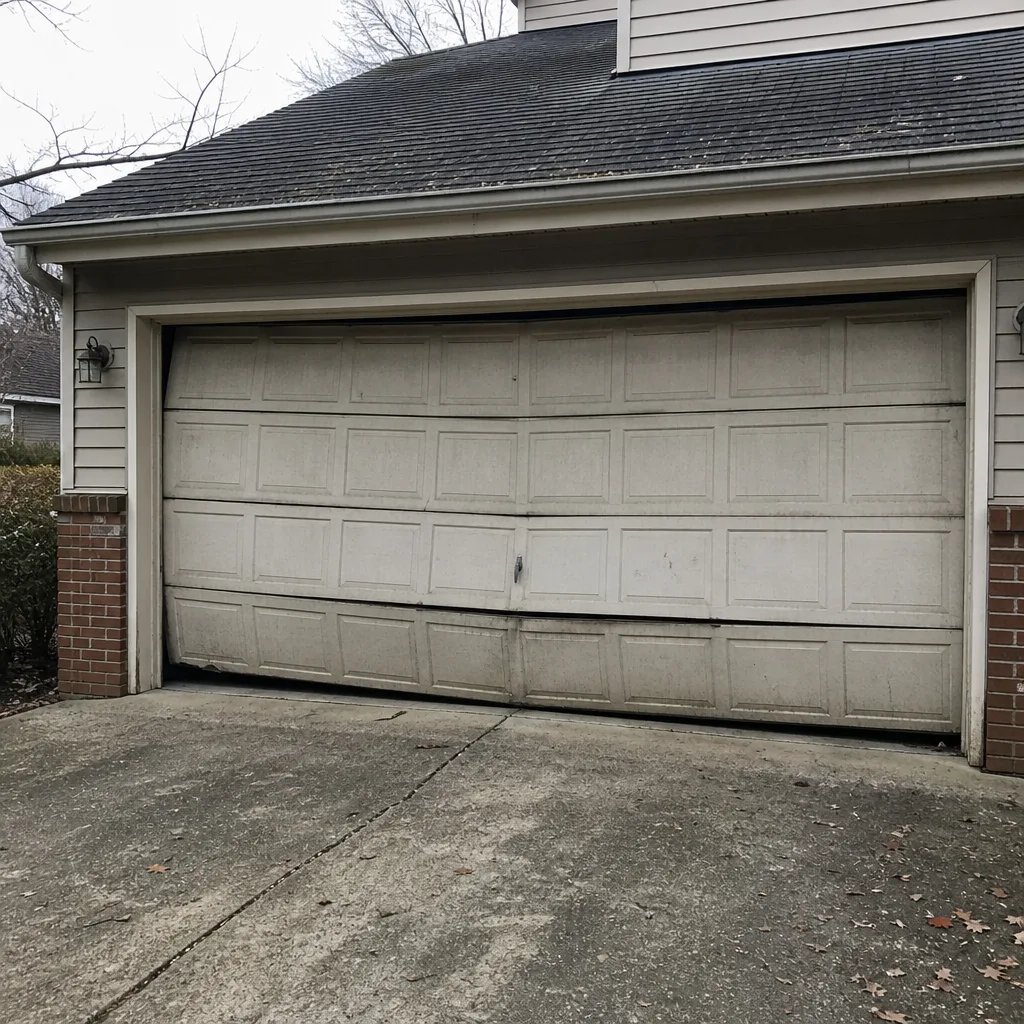 Before
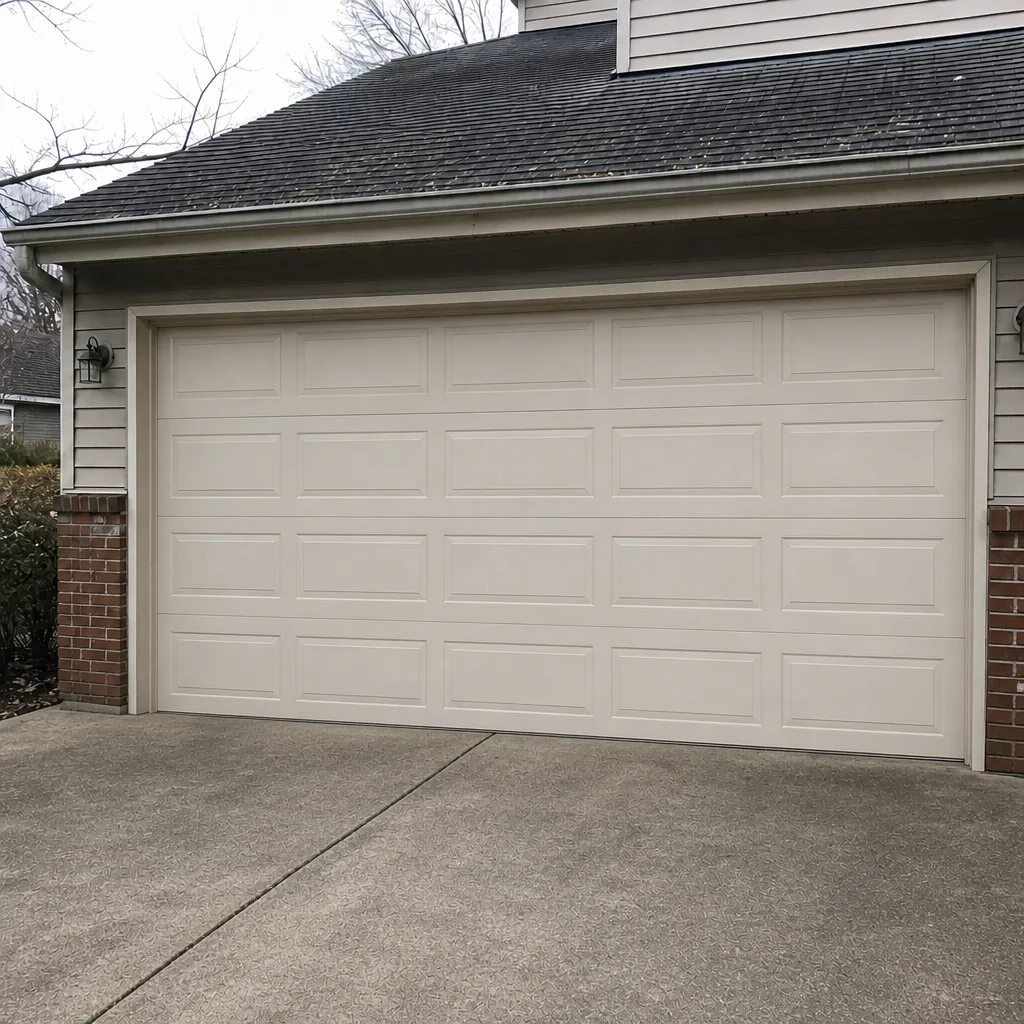 After
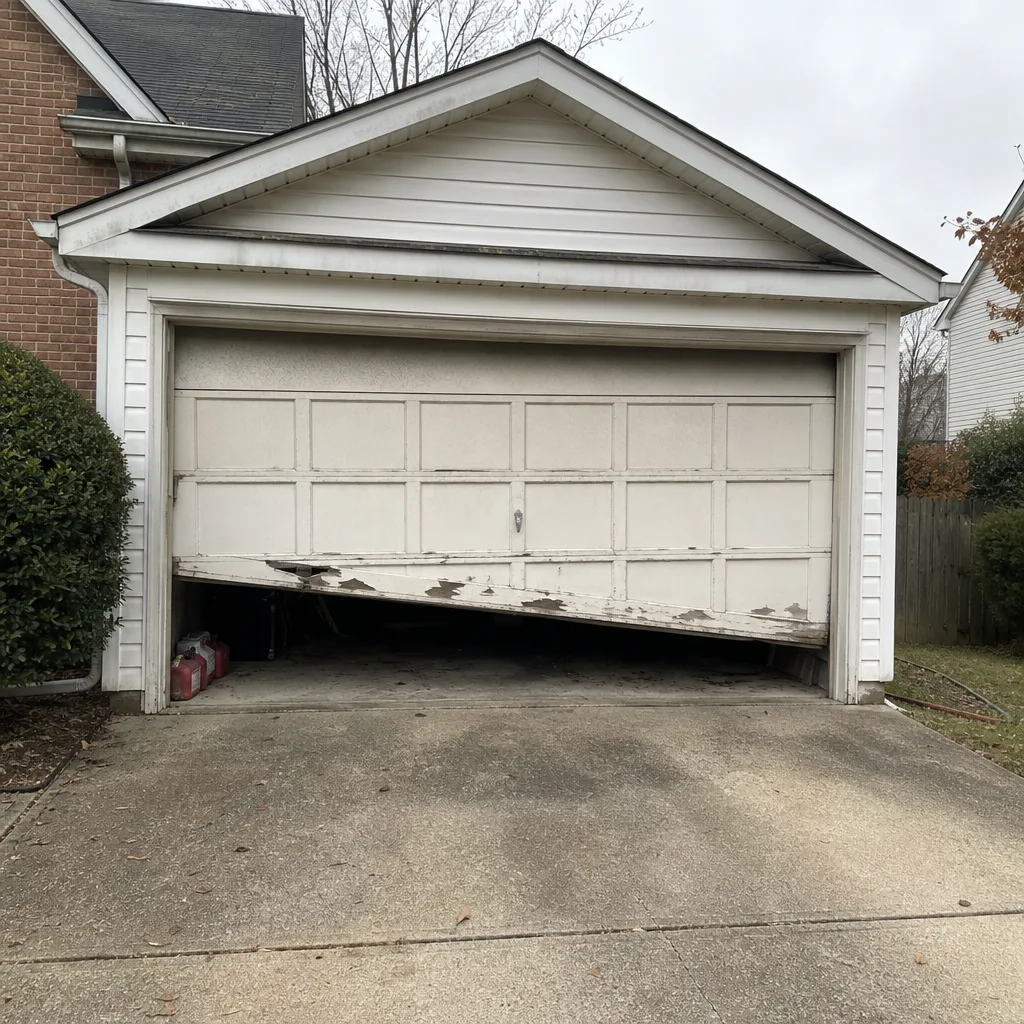 Before
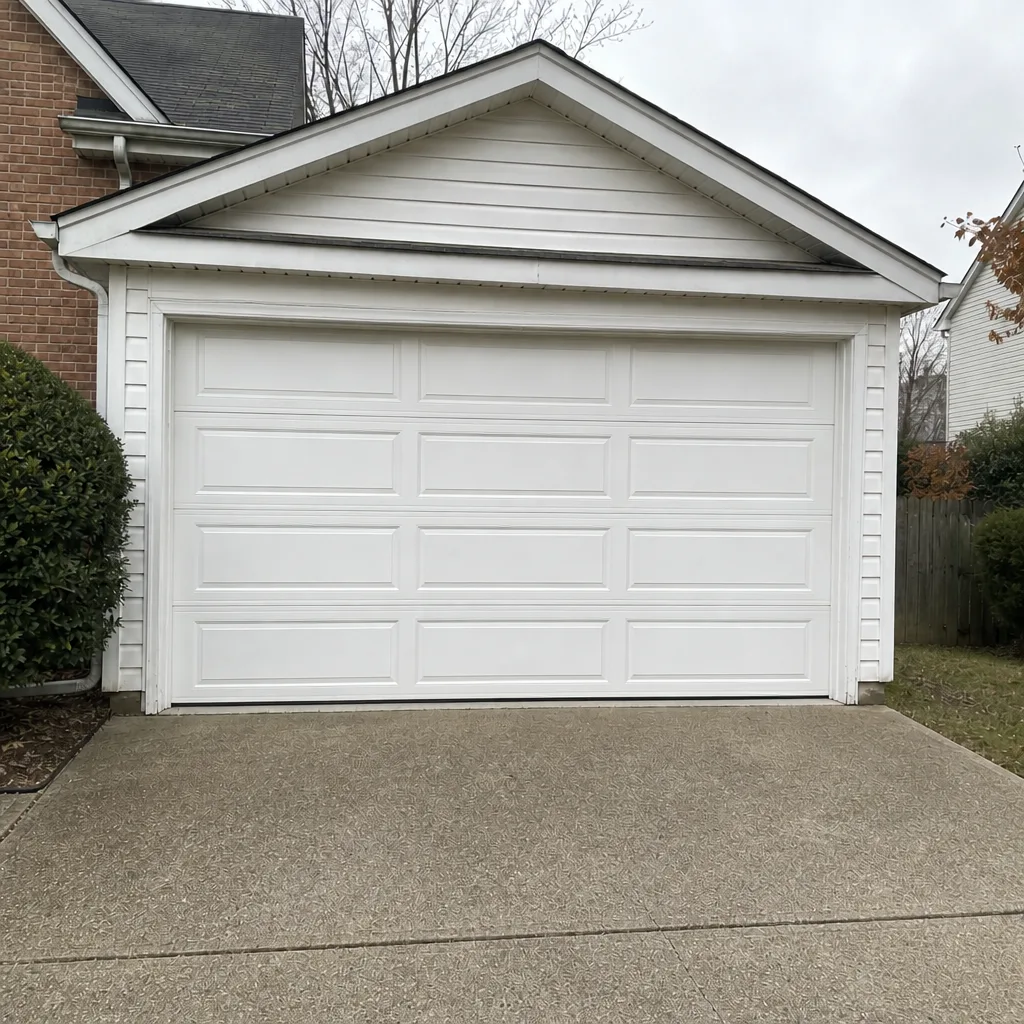 After
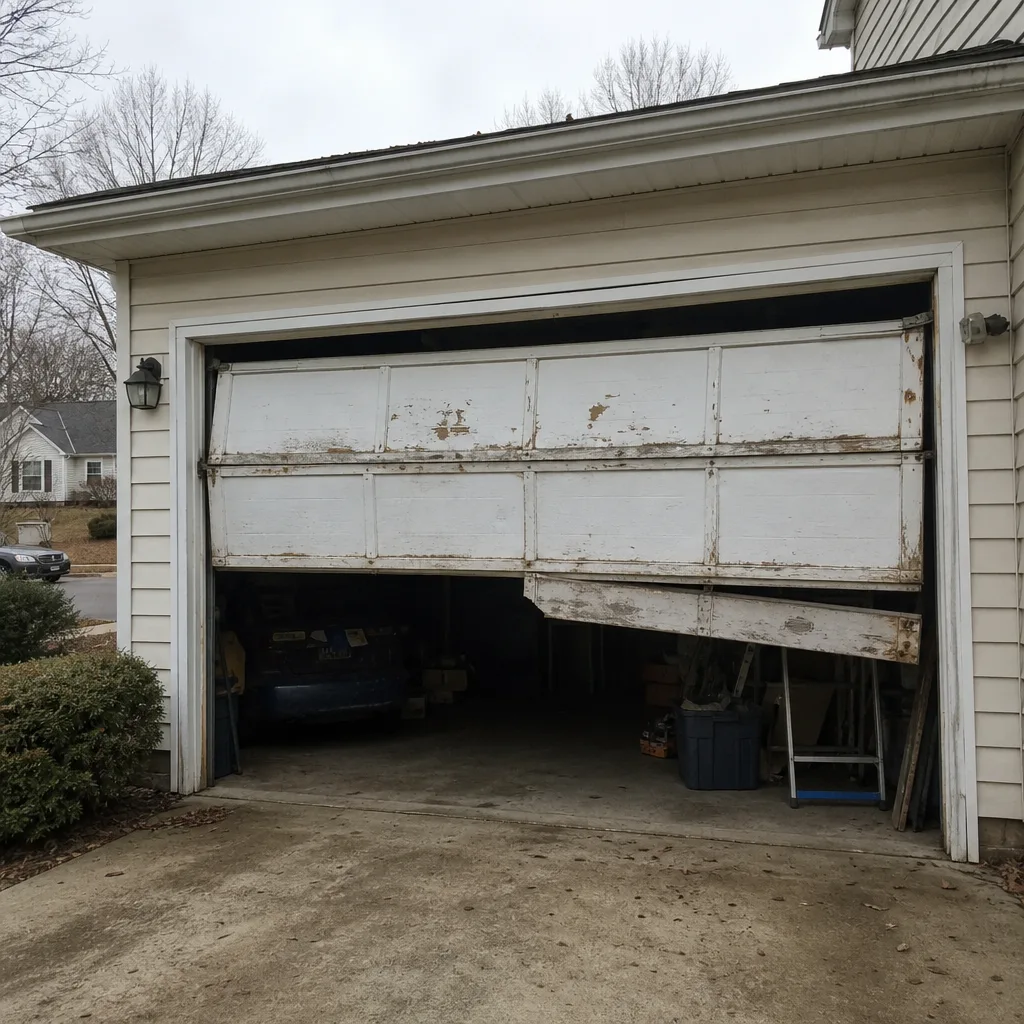 Before
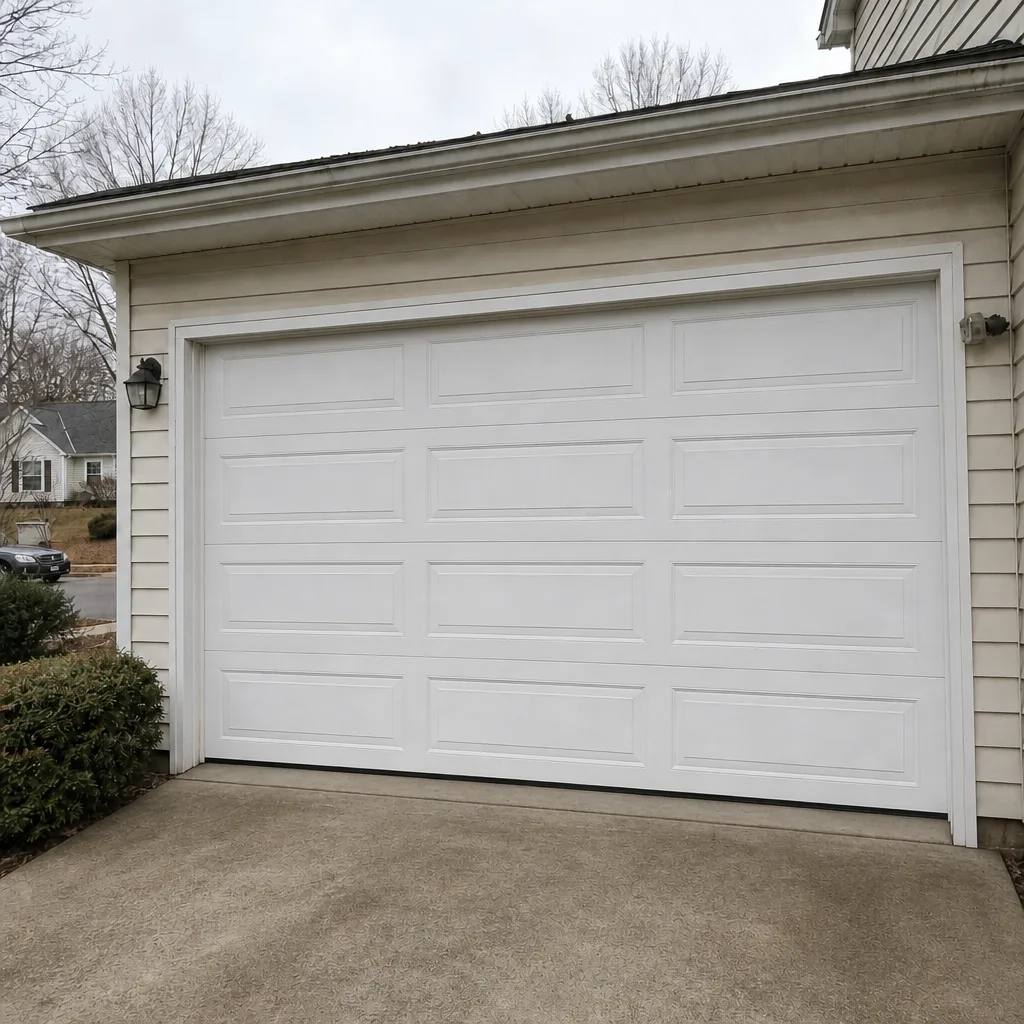 After
When to Call a Professional
Some maintenance tasks belong on your calendar. Others belong on a technician’s. Call a professional if any of these are true: the balance test shows the door is off-balance, you hear any new grinding or popping, the safety-reverse test fails, you see frayed or rusted cables, the door is lopsided, the opener reverses unexpectedly, the door won’t close all the way, or the door has gone more than a year without an annual service. Also call if you’ve never had the door inspected and don’t know its service history. For Centreville homeowners, Centreville Garage Door Repair offers free estimates; call (877) 792-6396. We answer 24/7, fast dispatch from 7am to 7pm, Sunday through Friday.
Frequently Asked Questions
A garage door should be serviced once a year by a technician, with monthly visual and balance checks and quarterly lubrication in between. Annual service catches the wear and fatigue that monthly checks can’t see, particularly on springs, cables and the opener. If your door is used heavily (multiple times a day, or in a household with young children who use it), an annual service is even more important.
Cable inspection is the single most important maintenance task, because cable wear is the leading cause of premature spring failure. Springs get the attention because they’re the part that breaks, but cables are usually what set up the failure. Along with cable inspection, the balance test tells you whether the springs are still doing their job. Do both, and you’ve covered the most likely failure points.
Yes, quarterly lubrication of the rollers, hinges, tracks and springs is a safe homeowner task as long as you use the right products. Use white lithium grease or a dedicated garage door lubricant on rollers and hinges, and a proper spring lubricant on springs. Never use WD-40 on springs, and never use grease in the tracks. If your door has sealed rollers or a specific manufacturer spec (Genie, LiftMaster, Clopay and others differ), check the manual or ask us.
A door that’s getting harder to lift usually has weakened springs that are no longer counterbalancing the door’s weight. The balance test will confirm it. It can also be caused by worn rollers, misaligned tracks or a binding hinge, but the springs are the most likely culprit. This is a professional call, because adjusting springs yourself is dangerous.
Stop operating the door and call a technician. A frayed cable has already lost some strength, and continuing to use the door puts stress on a component that’s failing. Cables are under heavy tension and should not be replaced by a homeowner. In our experience, a frayed cable caught early is a straightforward fix; one that’s been left turns into a spring or door problem.
Yes, a maintenance record is worth keeping. It gives a technician a baseline for diagnosis, prevents service you’ve already had, and shows a history of care if you sell your home. A simple notebook or note on your phone with dates, tasks and observations is enough. It’s the easiest thing on this list to do and one of the most useful.
Is annual garage door service worth the cost in Centreville?
Annual service catches problems before they become failures. It’s the difference between a cable replacement now and a spring failure plus a door repair later. If you’re comparing the two, the annual service is cheaper and safer. We treat annual service as a baseline, not a luxury, and our free estimate will tell you where your door stands.
The Bottom Line
A garage door maintenance schedule works when the tasks are matched to the right intervals. Monthly observation catches changes. Quarterly lubrication, done with the right products and not too much of them, keeps moving parts healthy. Annual service catches what observation can’t. The single most important annual task is cable inspection, because cable wear is the biggest contributor to premature spring failure, and most homeowners skip it. Keep a record, learn the balance test, and don’t try to adjust springs or cables yourself. If your Centreville door is due for service, is off-balance, or has a frayed cable, call Centreville Garage Door Repair for a free estimate. We handle spring repair, opener repair and full installation, one call, full fix. Call (877) 792-6396. We answer 24/7. Fast dispatch from 7am to 7pm, Sunday through Friday.
Written by the team at Centreville Garage Door Repair.