
Last updated November 22, 2026
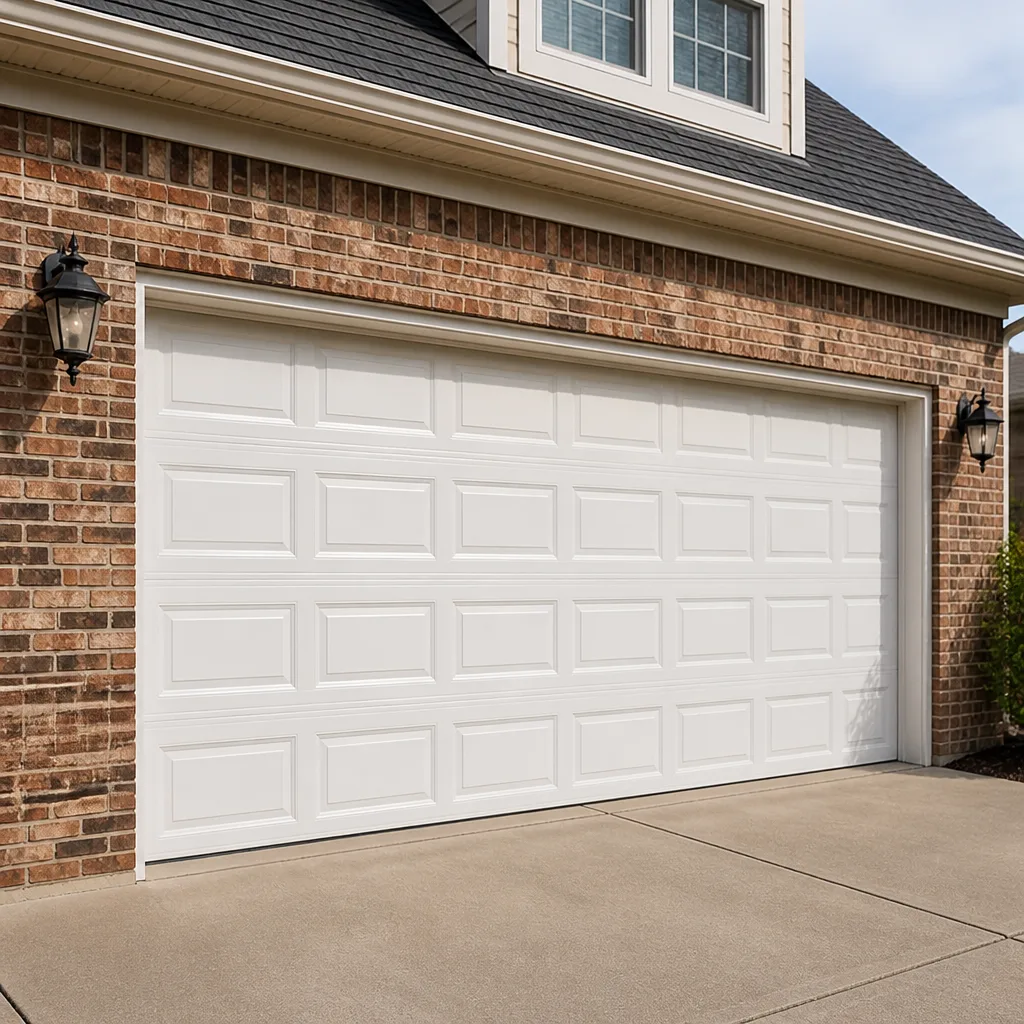 Raised-panel steel
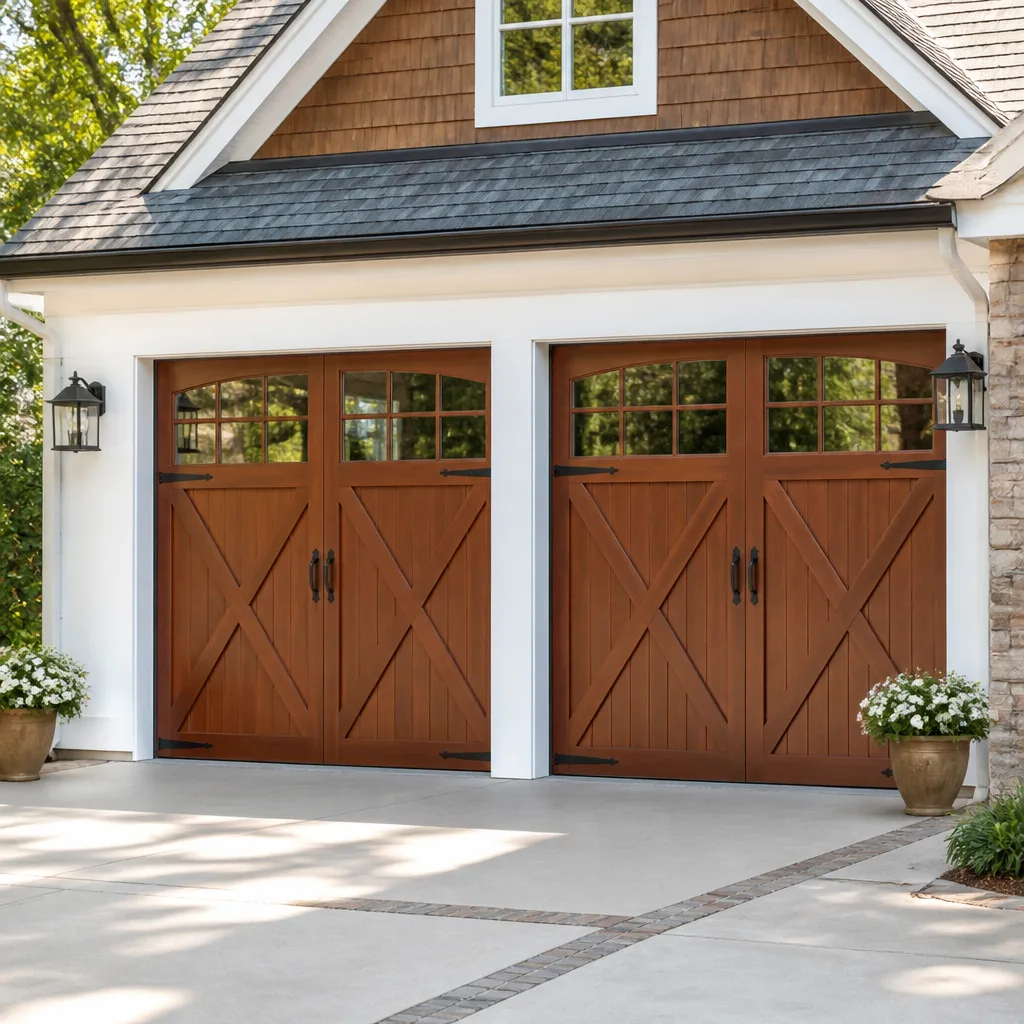 Carriage house
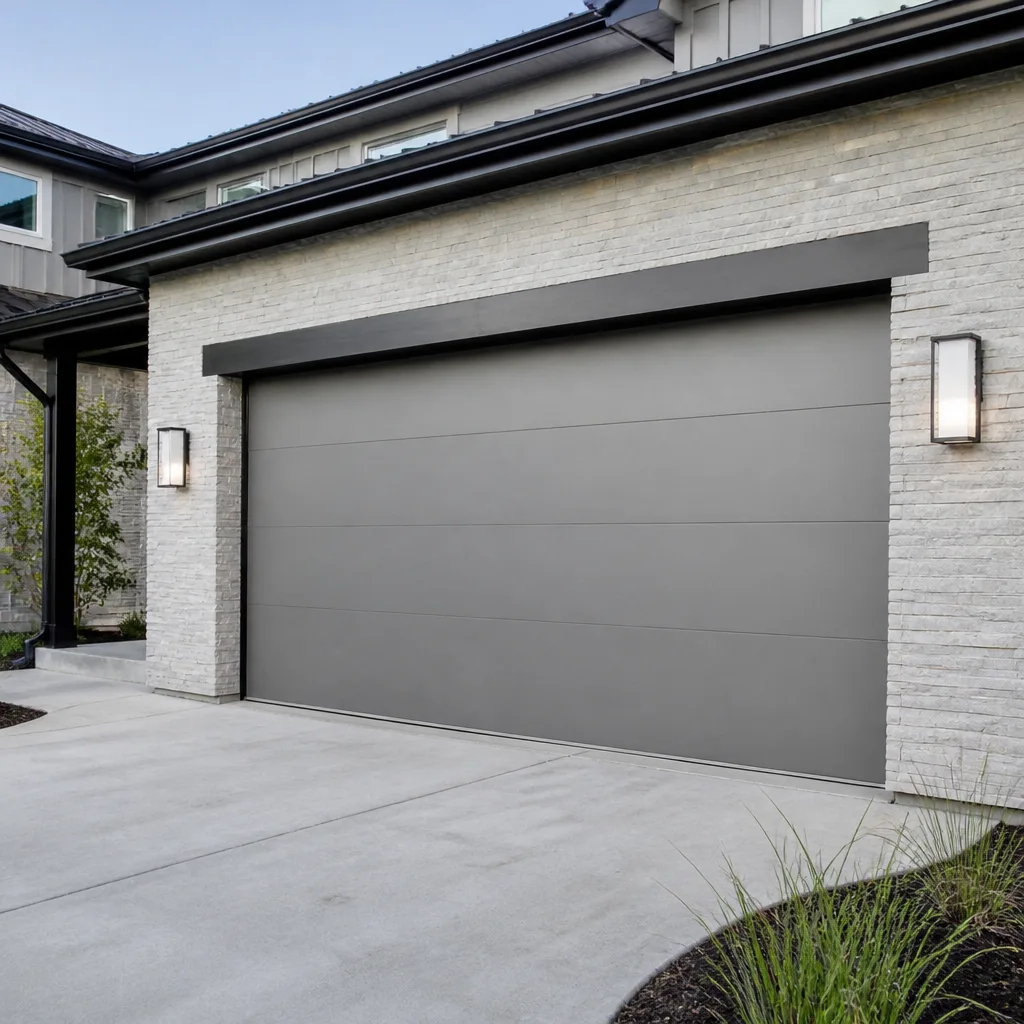 Modern flush
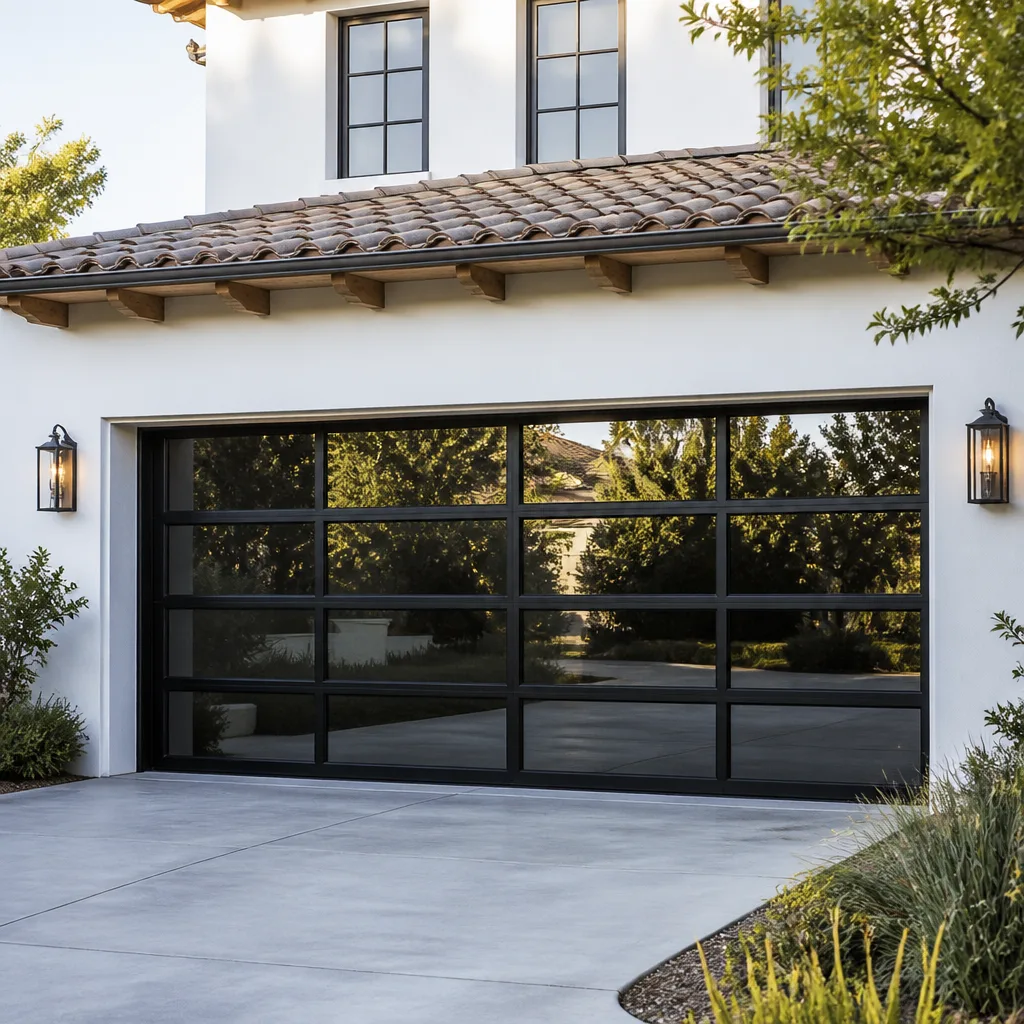 Full-view glass
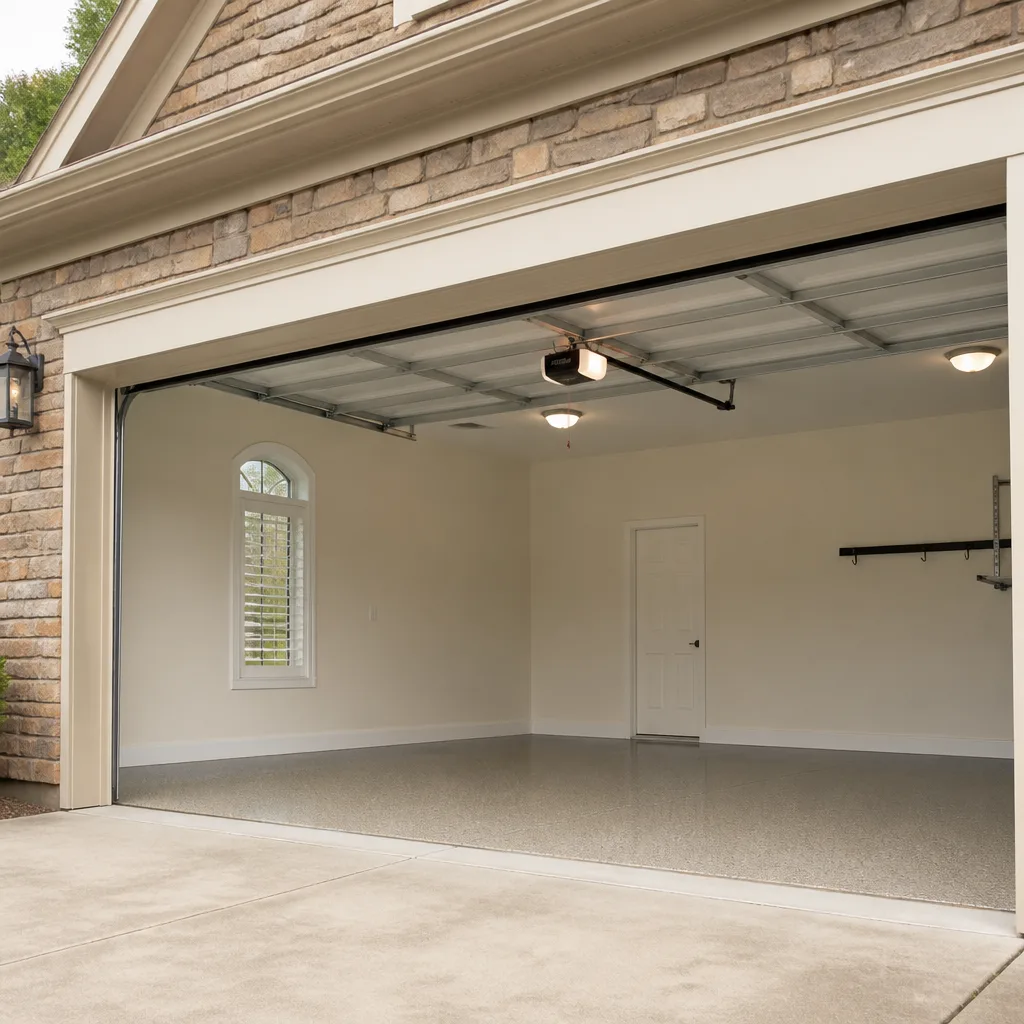 LiftMaster openers
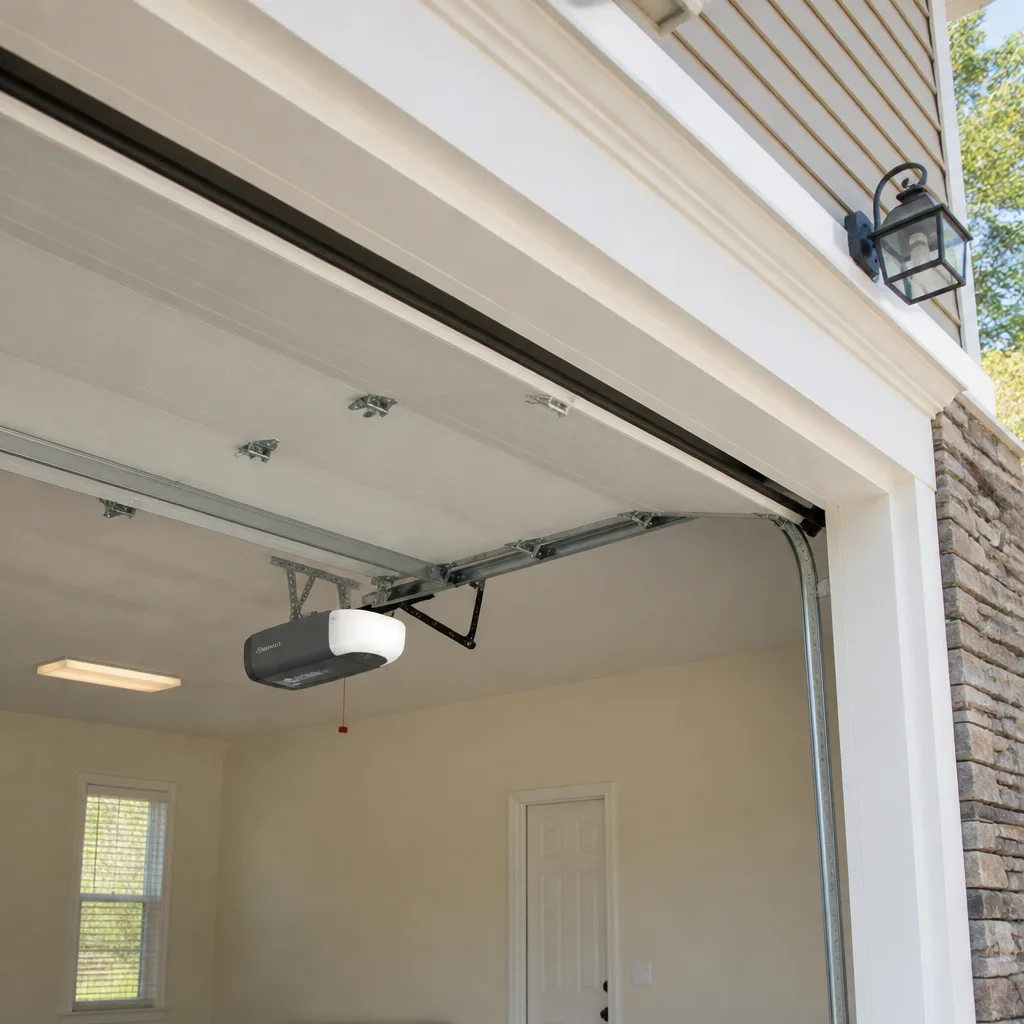 Chamberlain openers
Full 25-point door and opener safety check with every visit - springs, cables, rollers, tracks, and your LiftMaster or Chamberlain opener included
You get a price before we start. It does not change when the pro arrives.
Get your free estimateDIY vs Professional Garage Door: The Centreville Homeowner’s Decision Guide
Most advice on this topic treats garage door work as one single lump of risk. Either the whole thing is “too dangerous, never touch it” or it’s “anything is DIY if you’re brave enough.” Neither is honest. A garage door is a machine with very different zones of danger, and the line between safe and unsafe runs right through the middle of it. Changing weatherstripping is a weekend project. Touching a wound torsion spring can put you in the hospital. This guide draws that line task by task, so you can save money on the jobs that are genuinely yours to do and know exactly when to hand it off.
Styles & brands we work with
- Raised-panel steel
- Carriage house
- Modern flush
- Full-view glass
- LiftMaster openers
- Chamberlain openers
Quick Answer
Some garage door tasks are genuinely safe to do yourself: lubricating moving parts, aligning safety sensors, reprogramming a remote, replacing bottom weatherstripping, and wiping down the panels. Anything involving torsion springs, extension springs, lift cables, and the drums and brackets that hold them under tension belongs to a trained professional. Track realignment and opener electrical work sit in the middle, and whether to attempt them depends on your tools and comfort level. If the door is crooked, hanging off one side, or making a sound it never made before, the safe move is a professional diagnosis.
Table of Contents
- Why Garage Doors Are Different From Other Home Repairs
- The Tasks a Centreville Homeowner Can Safely Do
- The Physics of Torsion Tension: Why Springs Are Their Own Category
- Cables, Tracks, and Rollers: The Middle Ground Explained
- When Paying a Technician Saves Money (and When It’s Just Convenience)
- The Tool List That Tells You a Job Has Crossed the Line
- What a Video Covers, and What It Misses
- Brand and Model Knowledge You Can’t Get From a Tutorial
- Common Mistakes to Avoid
- When to Call a Professional
- Frequently Asked Questions
- The Bottom Line
Why Garage Doors Are Different From Other Home Repairs
Most home repairs are forgiving. If you mix a light switch wrong you might trip a breaker. If you hang a cabinet slightly off-level, you notice and fix it. The stakes are low and the errors are visible. Garage doors work the other way around. They’re a balanced system, and the components hold enormous stored force even when the door is sitting still on the ground.
That balance is what makes the trade unusual. A residential door can weigh well over a hundred pounds, and the springs are doing most of the lifting so your opener doesn’t have to. When everything is calibrated, opening the door takes almost no effort. When one part drifts out of spec, the rest of the system has to absorb that load. A safety sensor knocked slightly out of alignment will stop the door from closing. A single broken spring means the door won’t open, because the machine that counterbalanced its weight is gone.
In Centreville, the seasonal swing adds another variable. Summers bring heat and humidity that cook the grease on rollers and speed up wear on weatherstripping. Winters bring cold snaps that stiffen rubber seals and make every moving part work harder. We see the same cycle every year: doors that were fine in October start sounding rough in January. None of that makes the door “dangerous” across the board. It just means the wear items matter, and knowing which parts wear fast and which parts store energy is the whole decision.
The simple test to keep in mind: if a task changes the balance between the door’s weight and the springs, it’s professional. If it doesn’t touch the balance, it’s probably yours.
The Tasks a Centreville Homeowner Can Safely Do
Here’s the good news, and it’s a longer list than most guides admit. Plenty of garage door maintenance is ordinary home upkeep. You don’t need a technician for these, and doing them yourself genuinely extends the life of your door.
- Lubricate the moving parts. Rollers, hinges, the torsion bar bearing plates, and the tracks get a light coat of a proper garage door lubricant every few months. Not motor oil, not spray silicone on the hinges. Lubricant made for this hardware stays put through the temperature swings.
- Align the safety sensors. The two photo-eye sensors near the floor need to face each other. If the door reverses before it closes, that’s usually why. Loosen the bracket, aim the lens, tighten it back down, and test by waving your hand through the beam.
- Program a remote or keypad. Reprogramming a HandlU remote or a wall keypad is a button sequence, spelled out in the manual. It’s safe, it’s reversible, and you can’t damage the opener by getting the sequence wrong.
- Replace the bottom weather seal. The rubber or vinyl strip along the bottom edge takes the most abuse from Virginia sun and cold. You can slide a new one in through the retainer or screw on a new one, depending on the style. This is a good candidate for doing yourself.
- Tighten a loose bolt on the track brackets or hinges. If the hardware is hand-loose, snugging it with a socket is fine. Avoid over-tightening; steel track can warp if you crank down too hard.
- Clear debris from the tracks. A soft cloth and a wipe down the channel for leaves, dust, and grit does a lot of good. Debris in the track is one of the most common reasons a door starts grinding.
None of that requires special certification. It requires a ladder, a screwdriver, and a bit of patience. On a Centreville door, the weatherstripping and lubrication are the two that pay back most, given how hard the local seasons are on both.
The Physics of Torsion Tension: Why Springs Are Their Own Category
A torsion spring works by storing energy. It’s a coiled spring wound tight around a steel shaft above the door. When the door goes down, the spring winds tighter. When the door comes up, the spring releases and helps pull the weight. At the door’s closed position, the spring is holding the entire operating load.
That energy isn’t symbolic. A residential torsion spring under load can cause severe injury if it releases suddenly, and springs break at the worst possible moment: while someone is working near them or pulling the door. This isn’t a scare tactic, it’s why the job is different. There’s no other common home repair where a part holds that much stored force at room temperature, sitting still, waiting for a fastener to let go. Electrical work is dangerous, but you can cut the breaker. A wound spring has no breaker.
That’s the reason professionals use specific winding bars and control the release in small, measured motions. They don’t stand directly in the path of the spring. They don’t reach over it. They count turns. The moment the winding bar slips out of a spring, the force goes wherever the bar points, which is why no trained technician winds a spring without knowing exactly where the bar and their hand are positioned.
Here’s the honest dividing line. Most garage door tasks are about the door’s balance or its electrical side. This one is about controlled release of stored force. That’s why it belongs to the pros, and there’s no “careful version” of doing it yourself. That’s also why garage door spring repair is a named service for us, and why we talk about it directly instead of just saying “it’s dangerous, call us.”
If your door has one broken spring, don’t run the opener. It will strain the motor and can bend the door panel. Leave it in place and get it diagnosed. If both springs are original and one has snapped, the match set is usually replaced together, because the other has taken the same number of cycles. That’s a design habit, not an upsell.
Cables, Tracks, and Rollers: The Middle Ground Explained
Cables connect the bottom corners of the door to the spring system or to extension springs along the side. They sit under tension any time the door is in motion and hold their share of the load when the spring works. A frayed cable is a real problem, and a cable that has jumped its drum can whip loose. Both are professional territory. There is no safe homeowner version of handling a loaded cable, and anyone who says otherwise hasn’t been near one when it let go.
Track realignment is more nuanced. A track that’s only slightly bent or shifted can be nudged back and tightened if there’s no tension on the door and the brackets are accessible. But a track that’s pulled away from the wall, crushed at the curve, or out of square needs the door’s weight and springs accounted for before it can be set right. In our experience, this is where DIY attempts most often turn a $150 fix into a $400 one. A door pulled out of balance while someone is “just bending the track back” can crumple a panel or strip a hinge.
Rollers are the friendliest middle-ground item. The rollers that guide the door in the track wear out over time, and swapping a roller on a door that’s in the closed position with no tension issue is a manageable job for a careful homeowner with the right part. Nylon rollers are quieter than steel and are what most modern Centreville installations use. The catch is matching the stem length and diameter to your door. Get the wrong one and the door rides wrong in the track.
A quick way to sort it:
- Track and rollers, door closed, no visible bend, no sag: likely homeowner territory.
- Track visibly bent, door hanging crooked, cable frayed or loose: stop, call a pro.
- Any cable or spring part: professional, always.
When Paying a Technician Saves Money (and When It’s Just Convenience)
Garage door repair in the Centreville area typically runs in a few recognizable bands. These are estimates, and the written quote on the job is the number that counts, but they help you judge whether a DIY path is actually saving you something.
| Job | Typical Range | DIY Sensible? |
|---|---|---|
| Bottom weather seal replacement | $30 – $90 | Yes |
| Safety sensor alignment | $75 – $150 | Usually yes |
| Roller replacement | $100 – $200 | Yes, with correct parts |
| Single torsion spring replacement | $180 – $340 | No |
| Matched pair of torsion springs | About twice the single-spring range | No |
| Cable replacement | $150 – $350 | No |
| Track realignment | $150 – $300 | Sometimes, if minor |
| Opener repair | $150 – $400 | Rarely |
| New door installation | Measured and quoted per job | No |
Here’s where the logic gets interesting. Buying a matched set of springs and winding them correctly requires tools and a level of physical control most people don’t have. When someone attempts it and the door ends up pulled out of square, the follow-up repair is usually more than the original job would have cost. That’s the pattern we see again and again in Centreville. The “savings” evaporate when the first attempt damages something else.
On the other side, calling a technician to swap a worn-out bottom seal is paying a professional rate for a fifteen-minute job with a $20 part. That’s convenience, not safety. You can do that one.
The useful question isn’t “should I DIY.” It’s “is the cost of a mistake higher than the cost of the technician.” For seals and sensors, no. For springs and cables, easily yes. That’s the whole calculation.
The Tool List That Tells You a Job Has Crossed the Line
There’s a simple way to know whether you’re still in DIY territory. Look at what the job requires.
Tools a homeowner normally has: screwdriver, socket set, adjustable wrench, ladder, gloves, a can of garage door lubricant, a cloth, and a step stool. If the job needs only these, it’s very likely a reasonable DIY task. Weatherstripping, sensor alignment, loose brackets, and roller swaps all live here.
Tools most homeowners don’t have: spring winding bars sized for your bar diameter, C-clamps rated for the door’s weight, cable grip tools, and a proper winding bar set with matched lengths. When a job requires these, that’s the line. The tools aren’t hard to buy, but the reason they exist is to control energy that can hurt you. Owning the tool doesn’t give you the training, and the two aren’t the same thing.
In our experience, trying to make a spring job happen with a screwdriver stuffed into the winding cone is exactly the kind of improvisation that causes injuries. If a video calls for a tool you don’t recognize and the person is applying significant force with it, that’s a professional job, not a DIY job dressed up as one.
There’s a second tool signal worth noting: a torque specification. Most homeowner tools don’t need to be torqued. Spring winding and cable tension need precision, and getting the turns wrong shifts the load to the wrong part of the door. If you don’t have a torque or turn-count spec and the tool to measure it, walk away.
What a Video Covers, and What It Misses
Videos and tutorials are genuinely helpful for the DIY-appropriate list. A tutorial for reprogramming a LiftMaster remote, replacing a bottom seal, or aligning a sensor will show you what you need, and the job is low risk if you follow along. Watch one before you buy a part and you’ll often avoid the wrong one entirely.
What videos can’t do is diagnose in person. Here’s what that means in practice:
- They show one example, not your door. A video of a standard two-spring door doesn’t tell you whether the noise you’re hearing is a worn bearing plate, a stretched spring that’s lost tension, or a roller that’s flat-spotted. Each fix is different.
- They can’t feel the tension. A trained technician can often tell whether a spring has gone weak just by moving the door a few inches. That’s not something a video teaches.
- They don’t know the brand behavior. A Craftsman opener from one era and a newer LiftMaster have different diagnostics. A video made for a different model can send you down the wrong path.
- They don’t account for what the previous owner did. Centreville has a lot of homes where a prior repair changed the hardware setup. The door may not match the manual for the model on the sticker. A technician walking the door will see the mismatch; a video won’t.
That’s where the “no guesswork” part of the job matters. On a repair call, we check the door’s balance, look at the hinge style and track condition, measure the springs, and confirm how the opener behaves under load before anyone touches a tool. Half the time the problem a homeowner describes is the symptom, and the actual cause is somewhere else in the door. That diagnosis step is what a video can’t replace.
If the door is making a sound it never made before, or if the opener is behaving strangely, you can see the same problem diagnosed properly on a garage door repair visit, whether it turns out to be a track, a roller, or the opener itself.
Brand and Model Knowledge You Can’t Get From a Tutorial
Half of the misunderstandings that lead to DIY mistakes come down to the label on the door or opener. A tutorial for one brand doesn’t fit another, and searching the model number can bring up manuals for revisions you don’t have.
This is why we work on the specific brands that show up most in Centreville: Wayne Dalton, Craftsman, Raynor, and LiftMaster, along with the rest of the major names. A Craftsman opener from a common era has different wiring logic than a modern LiftMaster with a MyQ-connected wall control. Wayne Dalton tracks and brackets have their own approach to what the end-user can safely adjust. Raynor doors in the older Centreville subdivisions often have hardware that’s out of production, which means matching parts correctly takes knowing what will swap. A handyman with a generic toolkit will guess. A technician who works on the same brand name every week won’t.
The learning curve matters here. Our technicians have up to 10 years of experience, and even then, brand-specific work takes familiarity that a video can’t replicate. The advantage isn’t just knowing the door’s internal components. It’s knowing the failure pattern for the brand, the vintage, and the door type. If we’re diagnosing an opener, the way a Genie or Chamberlain model behaves when the sensors are dirty is different from how a LiftMaster does. That difference saves ten minutes on a service call and prevents an incorrect diagnosis.
If the door’s electrical side is involved, garage door opener repair is a separate job from fixing the door’s mechanics, and treating them as a single system in one visit is usually what gets the door working the same afternoon.
Common Mistakes to Avoid
- Running the opener with a broken spring. It will strain the motor and can torque the door out of square. If you see a broken spring, stop and get it looked at before you press the button again.
- Using WD-40 on hinges and rollers. It’s a light solvent, not a garage door lubricant, and it washes away the proper grease. Use a purpose-made lubricant and don’t over-apply.
- Tying the safety sensors into a “fix” that bypasses them. It seems like a shortcut until you remember that beam keeps the door from closing on a person or a pet. Fix the alignment, not the sensor.
- Straightening a bent track with the door still attached. The track carries some of the door’s weight and tension. Bending it in place can pull the door out of alignment and damage a panel.
- Buying a spring by matching the length. Springs are matched by wire size, inside diameter, and length, and a slightly wrong one changes the door’s balance. That’s one of the reasons you shouldn’t buy and wind it yourself.
- Attempting a spring job with improvised tools. A screwdriver or pipe from the shed is not a winding bar. The failure mode when the “tool” slips is exactly the injury you’re trying to avoid.
- Ignoring a noisy Centreville door through the summer. The grinding or squeal that seems minor in July often becomes a broken part by December, once the cold makes the wear worse. Lubrication and a quick inspection cost far less than a February repair.
When to Call a Professional
Call a professional if you see a broken spring, a frayed or loose cable, a door that hangs crooked, a door that won’t open or close at all, a bent or separated track, or a grinding noise that appeared out of nowhere. Call if the opener reverses randomly, if the door opens partway and stops, or if the remote works one day and not the next. Those are all diagnosis jobs, not DIY jobs. If a spring has snapped and you have an urgent need, we handle emergency garage door service so the door isn’t stuck open or stuck down overnight. It’s also the right time to ask whether the door has reached the end of its life; if the door needs replacing rather than repairing, we handle Centreville Garage Door Repair from that first call through the installation, so you’re not sourcing a separate installer.
Centreville Garage Door Repair offers free estimates in Centreville. Call (877) 792-6396. We answer 24/7. Fast dispatch from 7am to 7pm, Sunday through Friday.
Frequently Asked Questions
No. A torsion spring stores enough energy to cause severe injury if it releases unexpectedly, and winding it correctly requires specialized bars and training. The safe path is a professional spring replacement, and the typical range for one spring in the Centreville area is $180 – $340, with a matched pair usually replaced together at about double that. The written quote sets the final price. Call (877) 792-6396 for an exact quote, and the estimate is free.
Lubricating the moving parts, aligning the safety sensors, reprogramming a remote or keypad, replacing the bottom weatherstripping, tightening loose track hardware, and clearing debris from the tracks are all reasonable DIY tasks. None of them involve springs or cables, and none change the door’s balance. Anything that touches the spring system or a cable belongs to a technician.
Most repairs land between $150 and $400 depending on the part that failed; a single torsion spring is typically $180 – $340, a cable replacement $150 – $350, and track realignment $150 – $300. These are estimates, and the price is quoted and agreed before any work starts, so the written estimate sets the final number. Call (877) 792-6396 for an exact quote; estimates are free.
Yes. A door that won’t close is one of the calls we treat as urgent, and same-day service is part of what we do. We answer 24/7, and dispatch runs from 7am to 7pm, Sunday through Friday. A call outside dispatch hours is booked into the next opening. Call (877) 792-6396.
No. The quoted price is agreed before any work starts, so the written estimate is the number that counts, not a surprise on the invoice. If the inspection turns up something the phone conversation couldn’t, you get the changed scope discussed and approved first. Call (877) 792-6396 for a free estimate.
The local professional who arrives is licensed and insured as Virginia requires. Our technicians have up to 10 years of experience, and we work on the specific brands in your garage, including Wayne Dalton, Craftsman, Raynor, and LiftMaster, so the diagnosis isn’t a guess. Call (877) 792-6396 to talk through what’s happening with your door.
The Bottom Line
The DIY-versus-professional question isn’t about how handy you are. It’s about which jobs change the door’s balance and which don’t. Lubrication, sensors, weatherstripping, and remote programming are safe to do yourself, and doing them actually helps the door last longer in Centreville’s heat and cold. Springs, cables, loaded tracks, and anything that changes the door’s weight balance belong to a technician, and that’s a safety boundary, not a sales one. If you’re not sure which side a job falls on, a free estimate settles it in a few minutes. Call Centreville Garage Door Repair at (877) 792-6396. We answer 24/7. Fast dispatch from 7am to 7pm, Sunday through Friday. The estimate is free and the price is agreed before any work starts.
Written by the team at Centreville Garage Door Repair.
See the difference
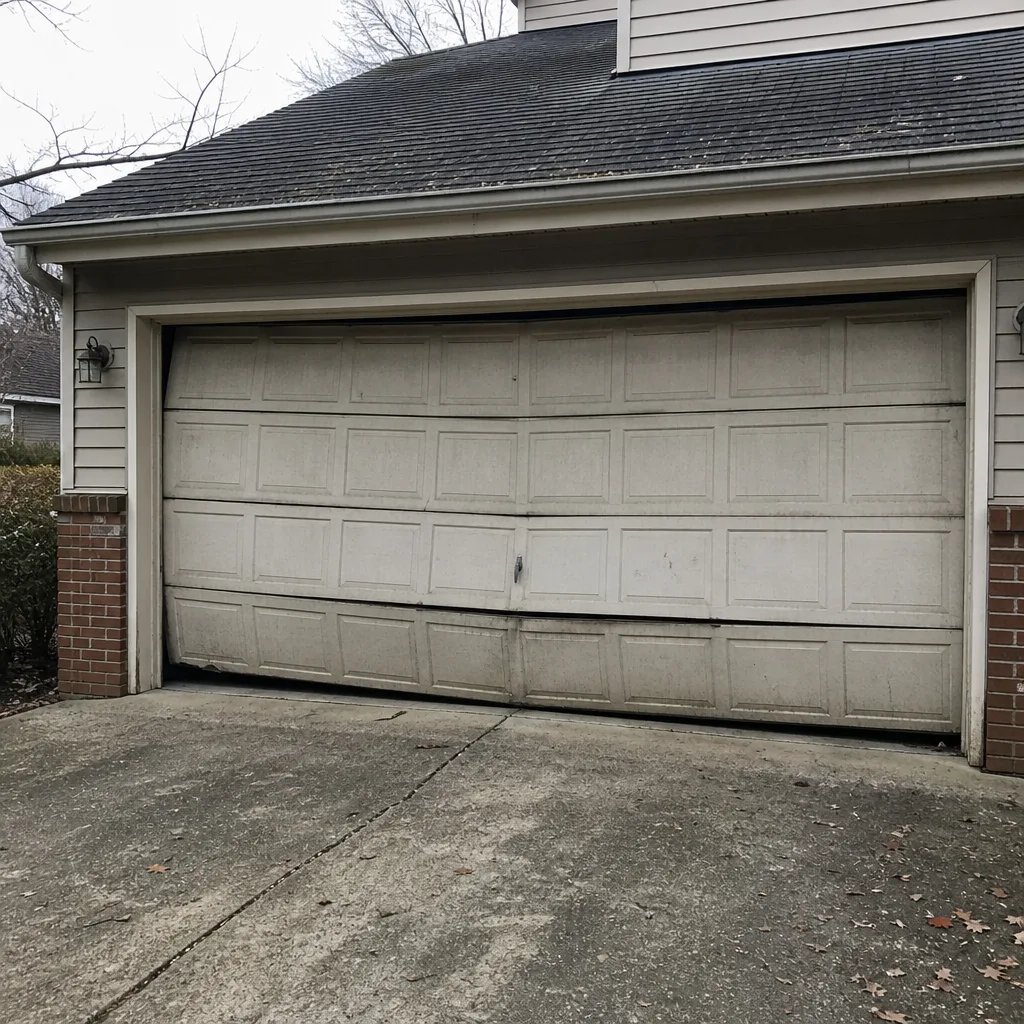 Before
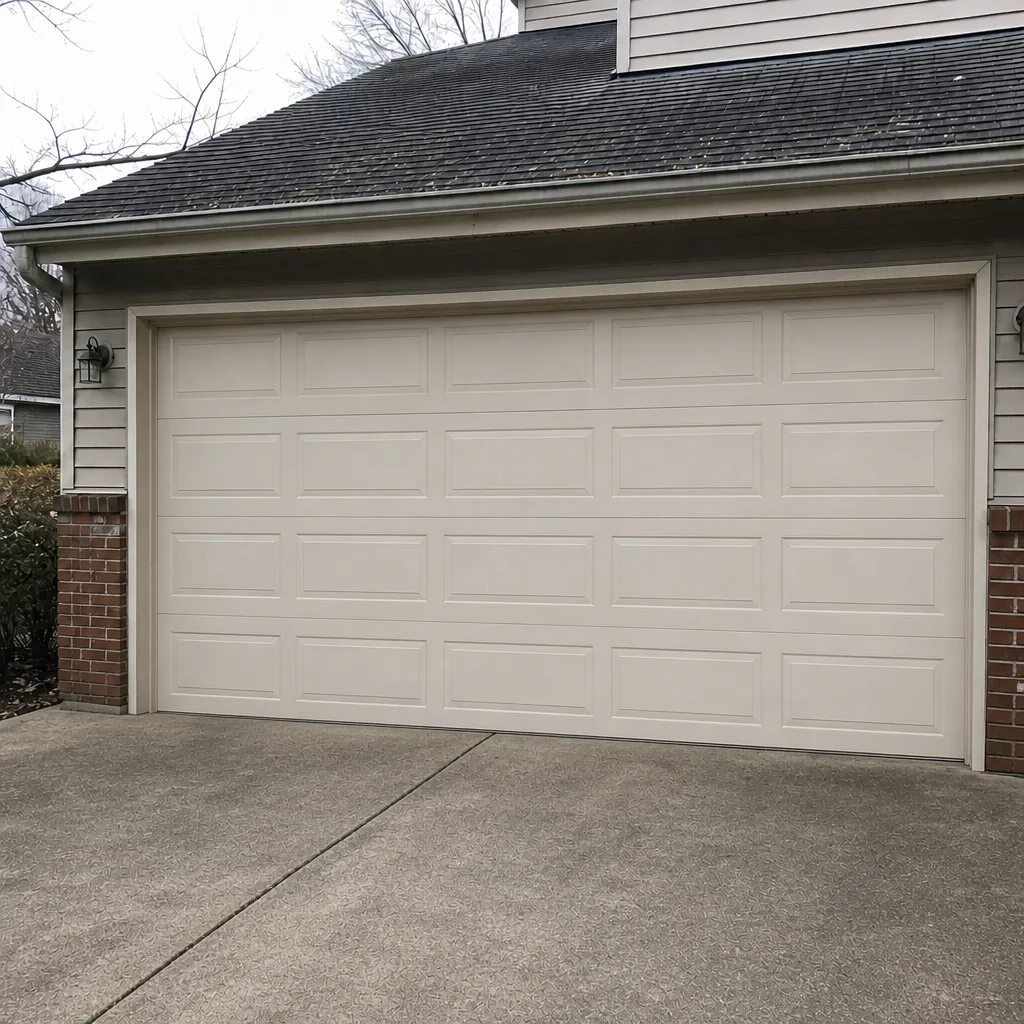 After
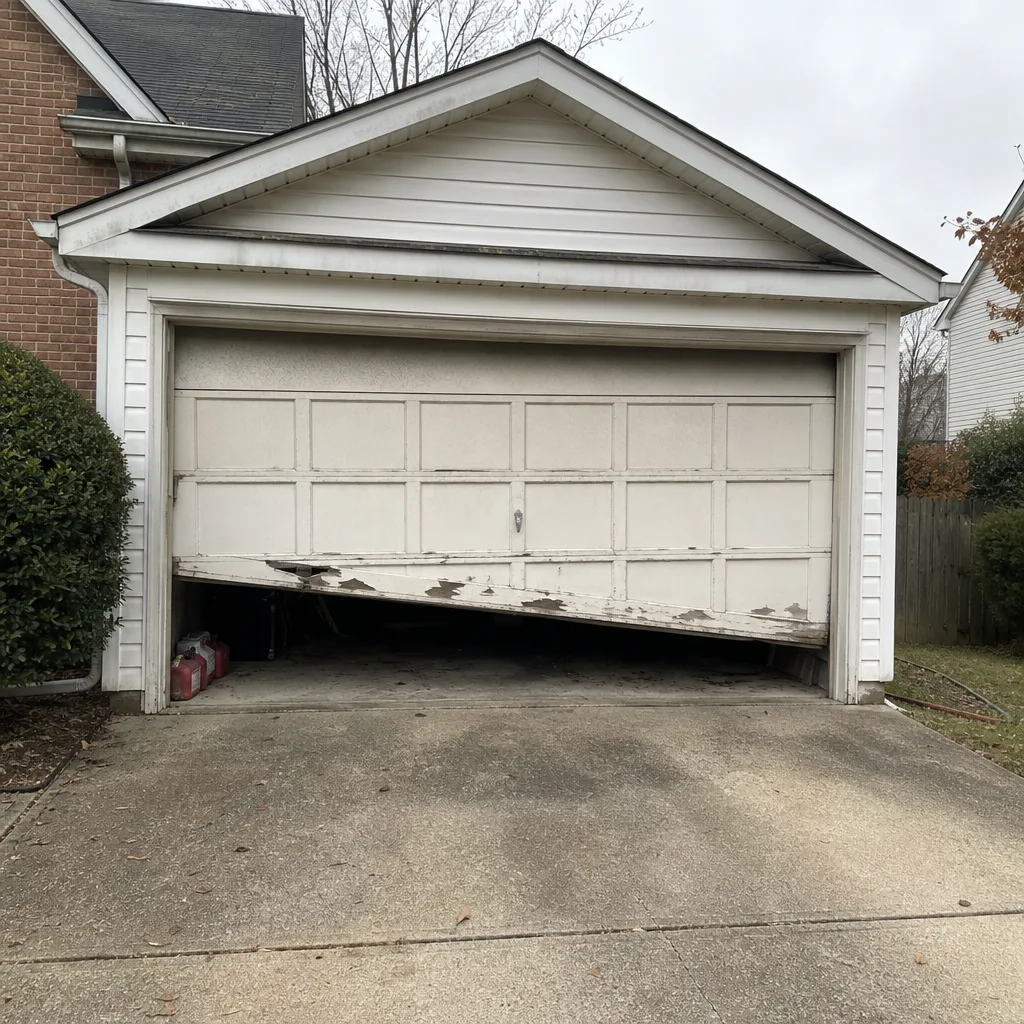 Before
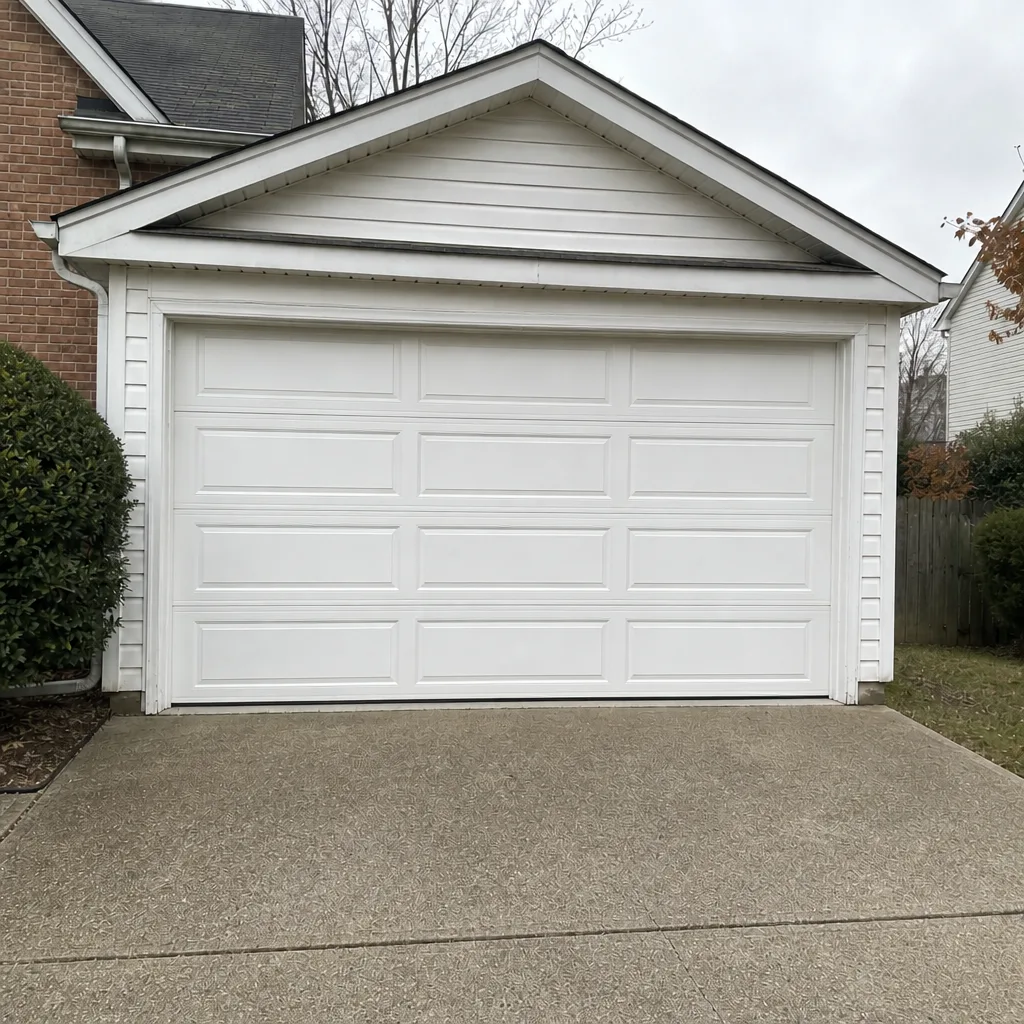 After
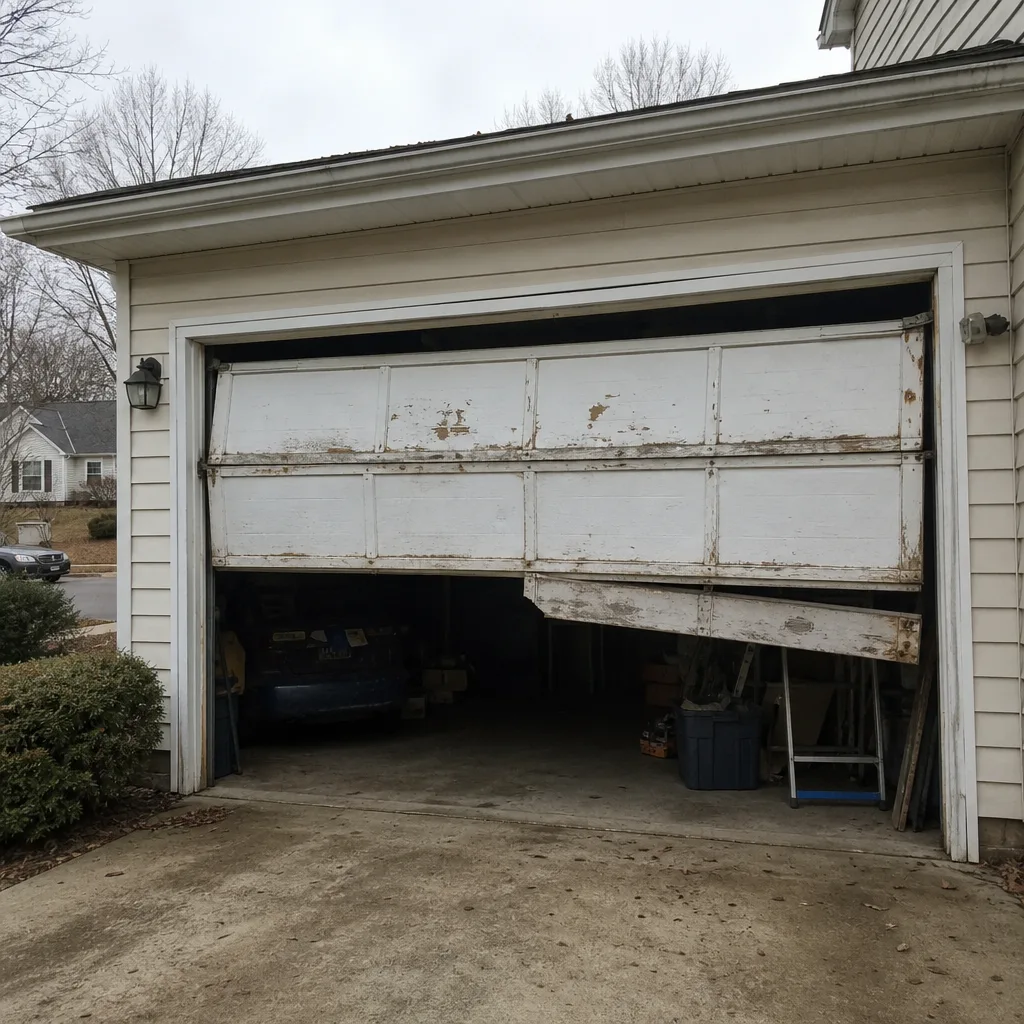 Before
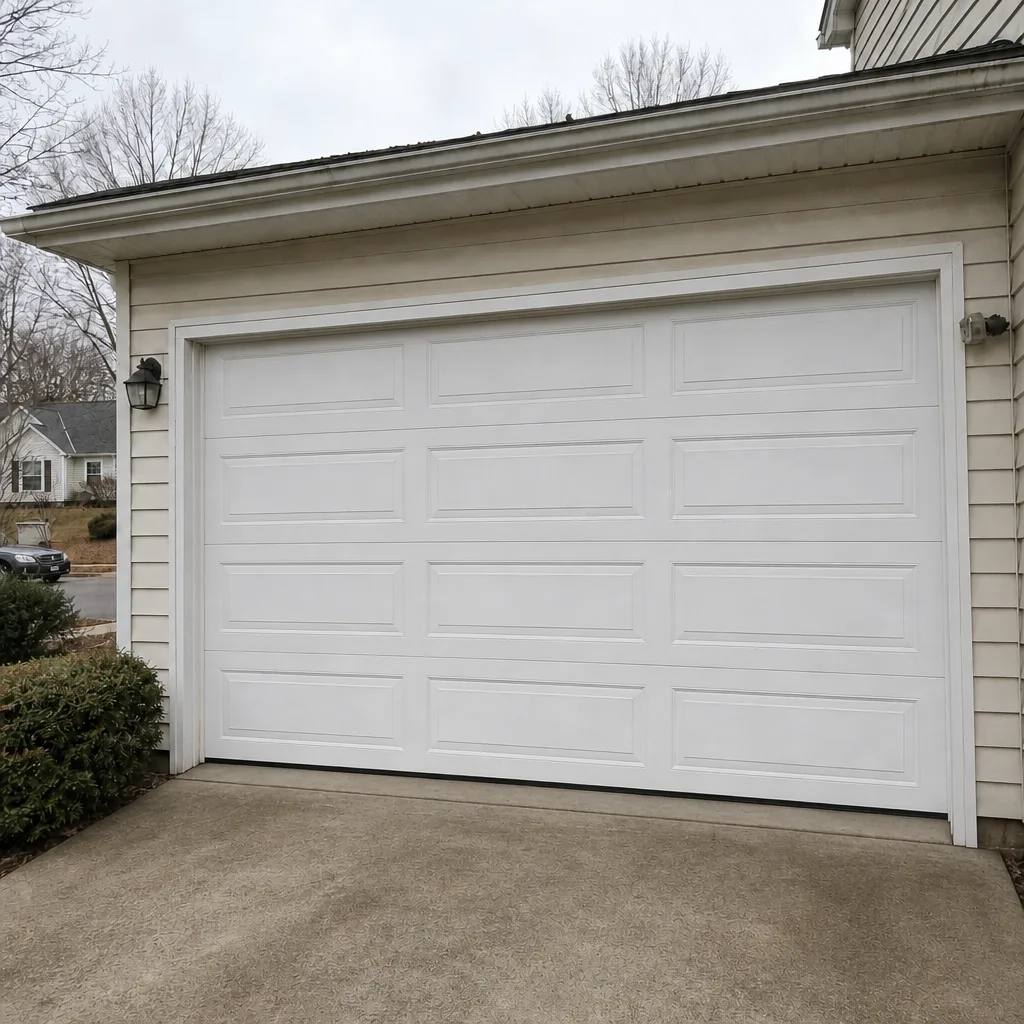 After